How long does Botox last?
For most people, the effects of Botox last about 3 to 6 months. The effects of botulinum toxin treatment usually begin within a few days of the injection and reach their full effect after about two weeks.
The duration of Botox varies greatly
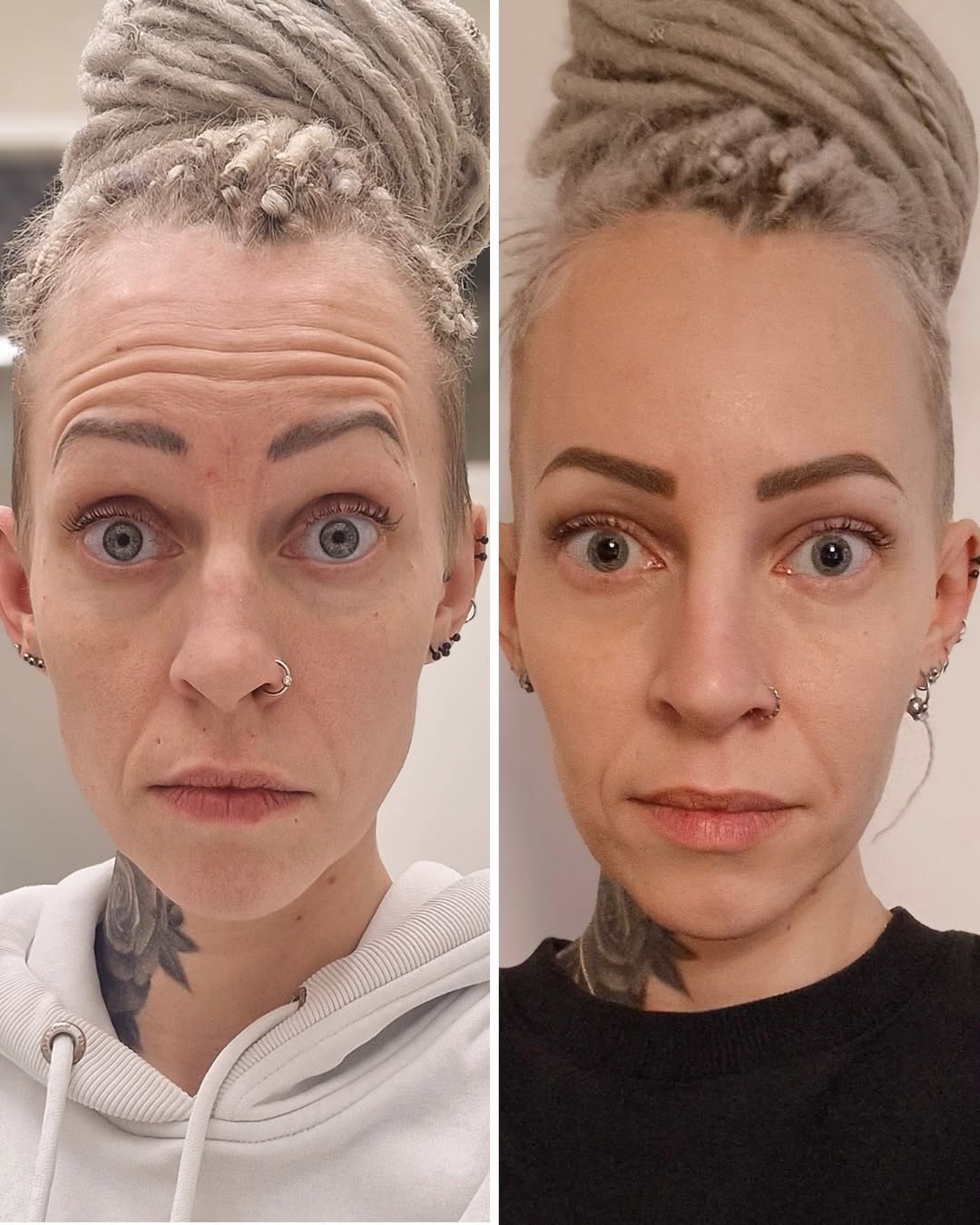
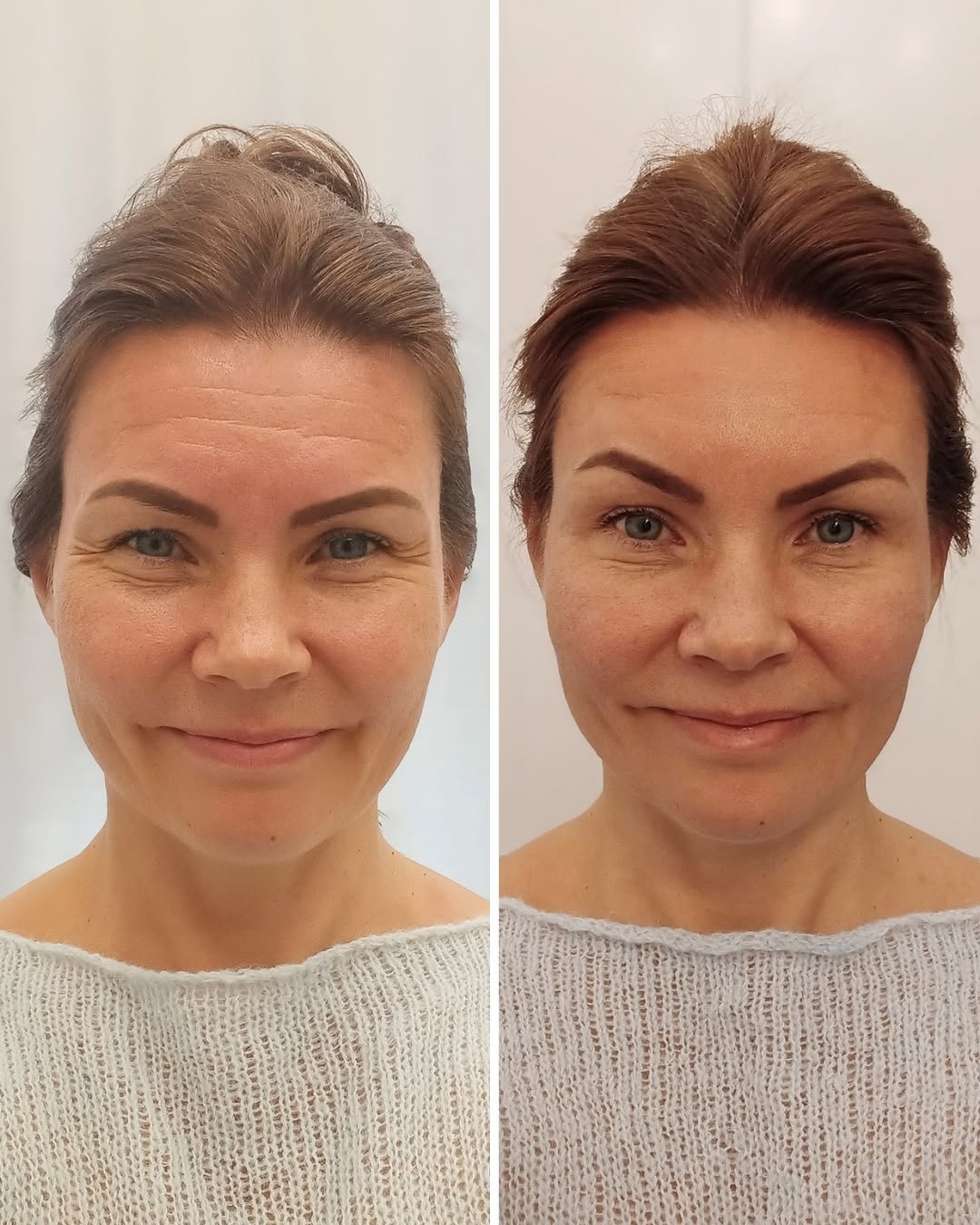
For Sonja, the results of her Botox treatment last a full year.
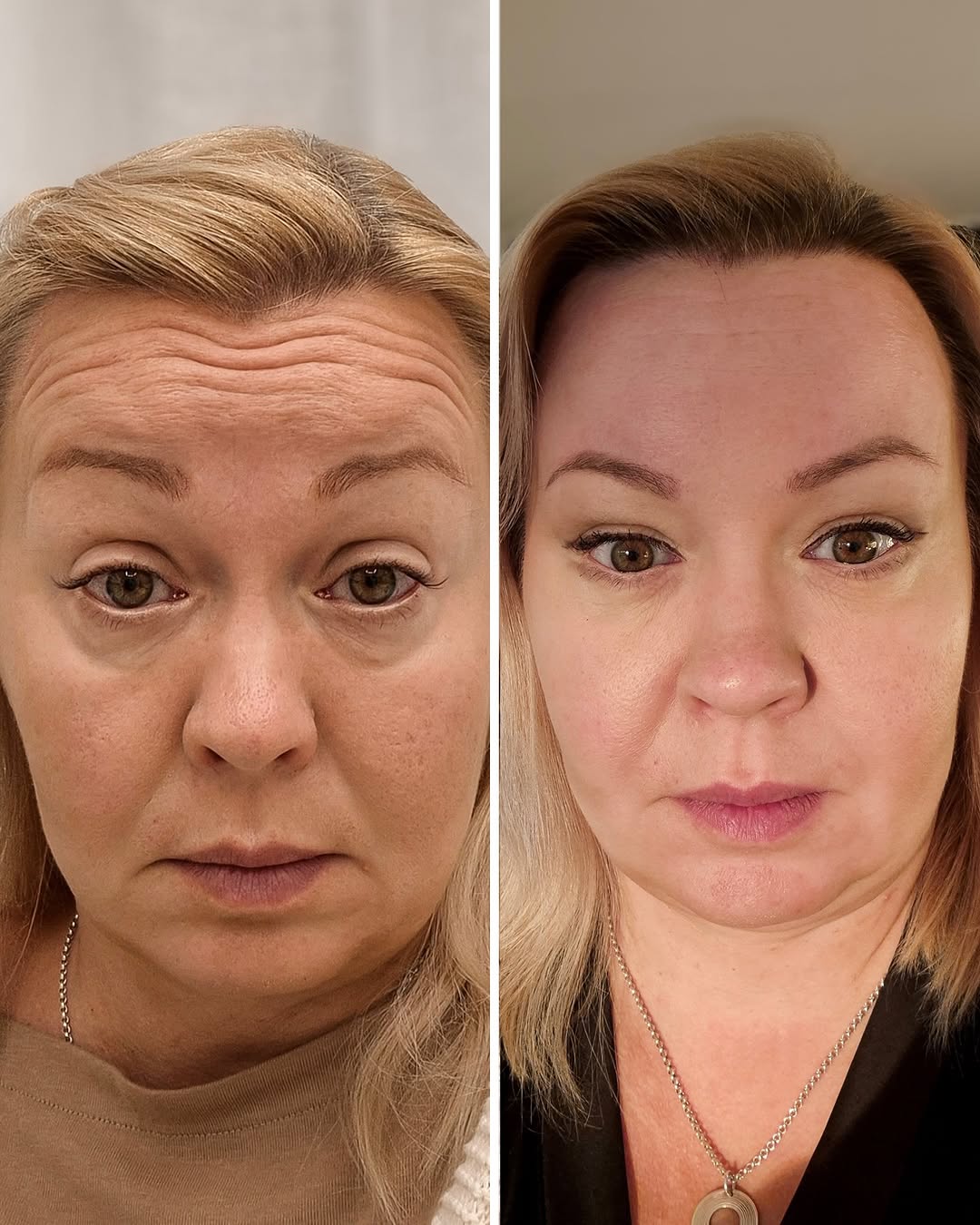
For most clients, the effects of Botox last 3–6 months.
How long does Botox last? (quick answer)
- Botoxusually starts to take effectwithin 3 to 5 days of the injection
- The first changes will be visiblewithin a few days
- The full results will be visiblein about 10–14 days
- Duration of effect: approximately 3–6 months for most people
- Follow-up visit: 2–4 weeks after treatment
The duration of the effects of botulinum toxin varies from person to person. It is influenced by factors such as muscle activity, the dose administered, and the area being treated.
When does Botox start to work?
Botox usually begins to take effect within 3 to 5 days of the injection. The full effect typically develops after about 10 to 14 days.
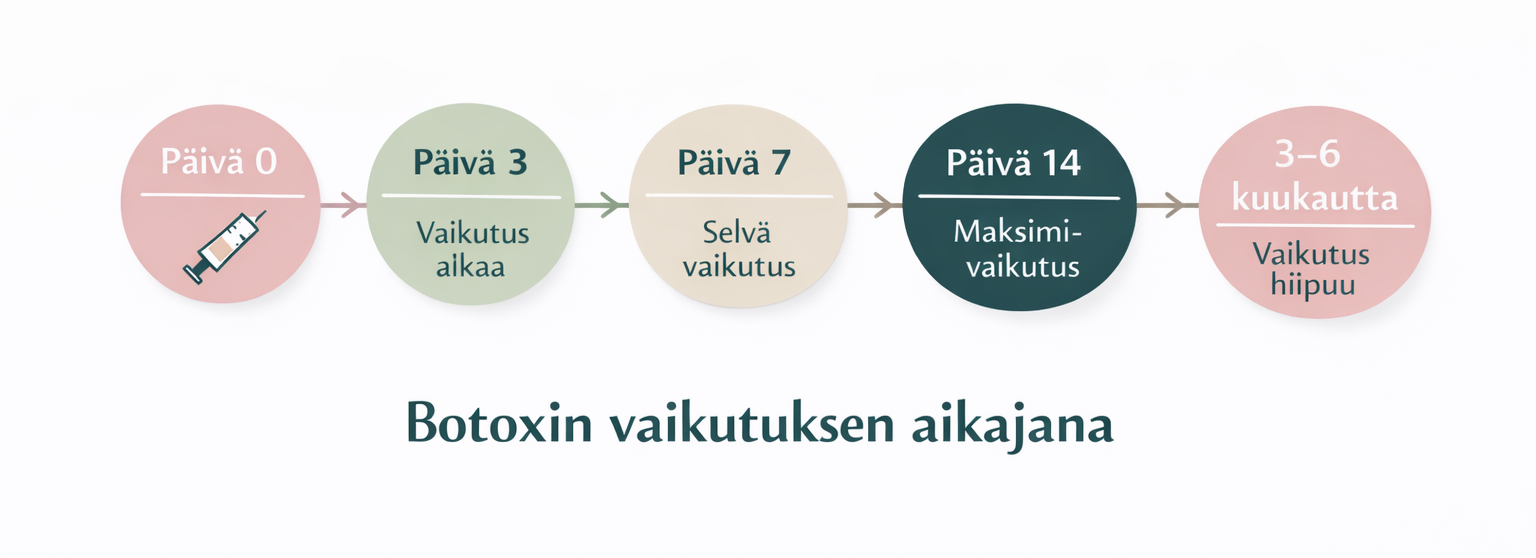
Botox usually starts to take effect within 3 to 5 days of the injection. The first changes may be visible after just a few days, but the final results develop a little more slowly.
According to some individual studies, the effects of Dysport, a brand of botulinum toxin, begin slightly sooner than those of Botox. No other differences between these products have been observed in studies. Of course, there are individual differences: some patients get better results with Botox, while Dysport works better for others.
For most patients, the effects of Botox are at their peak around 10 to 14 days after treatment. For this reason, any follow-up visit is often scheduled two weeks after treatment.
Is it normal for the results to change during the first few weeks?
Yes. The effects of Botox develop gradually, and the treated area may look slightly different from day to day during the first few weeks.
- Different muscles relax at different times
- The forehead area may feel a little heavy at first
- Some patients may experience mild headaches
These sensations are related to changes in muscle balance and usually go away within a few days.
How long does Botox last for different people?
For most people, the effects of Botox last about 3 to 6 months.
The duration of Botox's effects depends, among other things, on the treated area, the dose used, and muscle activity.
After the first treatment session, the effects often last for a slightly shorter period of time. With regular treatments, the effects may last longer for many patients.
Timeline of Botox's effects
- Day 1: There may be slight redness or swelling at the injection site
- Day 3: The first effects may begin to appear
- Day 5: Muscle activity begins to decrease noticeably
- 10–14 days: the final results of Botox become visible
- 3 months: the effect often begins to gradually wear off
- 4–6 months: muscle function gradually returns to normal
How long Botox lasts in different treatment areas
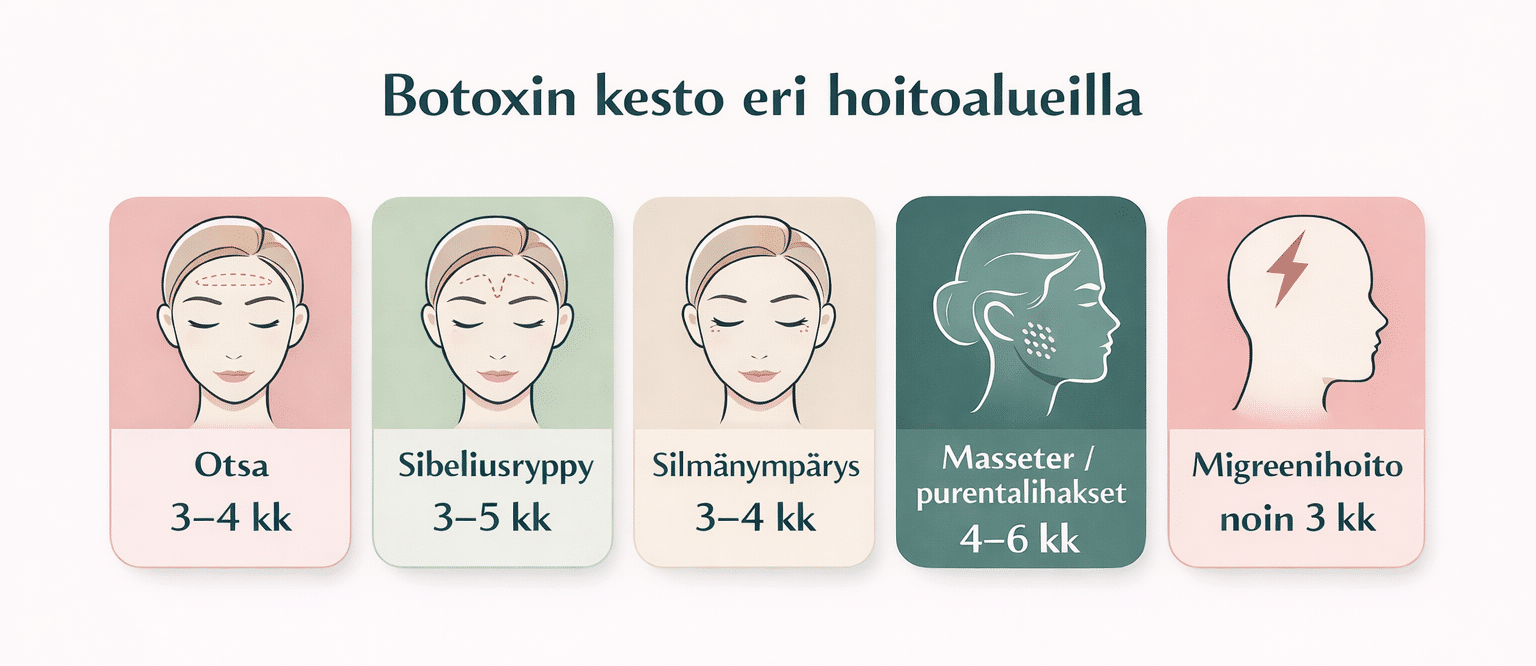
The duration of botulinum toxin treatment depends on several factors, such as the treatment area, the dose of botulinum toxin, muscle strength, and individual metabolism. When treating glabellar lines and forehead wrinkles, the effects often last about three or four months. When treating the masseter muscles, a higher dose of botulinum toxin is administered than in smaller treatment areas. Therefore, the effect may also last longer in the masseter muscles than, for example, in the periorbital area.
The effects of Botox last for slightly different periods of time in different treatment areas. This is due to the size and strength of the muscles, as well as the dose used.
- Forehead: usually about 3–4 months
- Sibelius wrinkle: approximately 3–5 months
- Around the eyes: about 3–4 months
- Chewing muscles (masseter): usually 4–6 months
- Migraine treatment: typically about 3 months
For example, the dose of botulinum toxin used in the masseter muscles is usually higher, which is why the effects may last longer than in the forehead area.
When will the final results of Botox be visible?

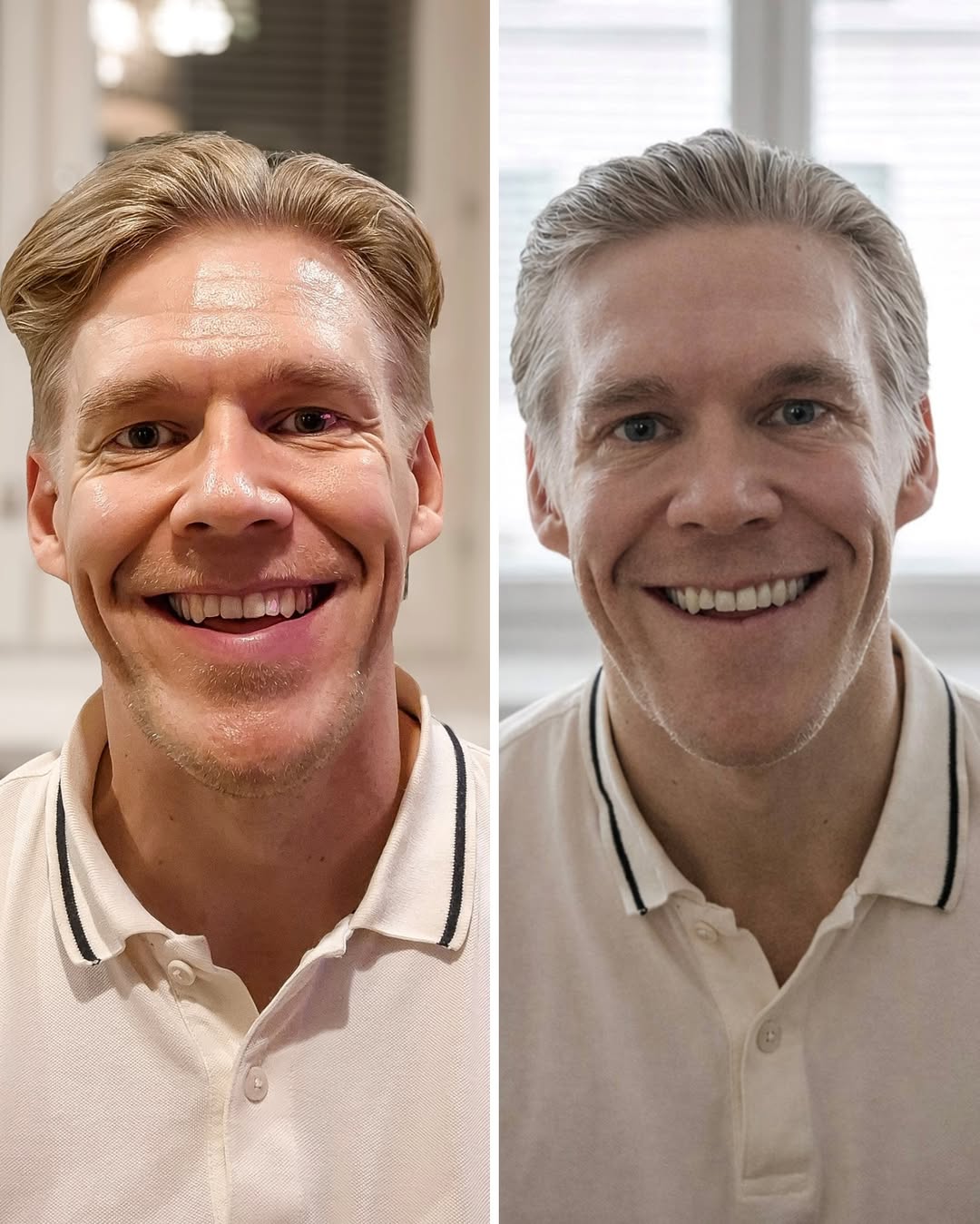
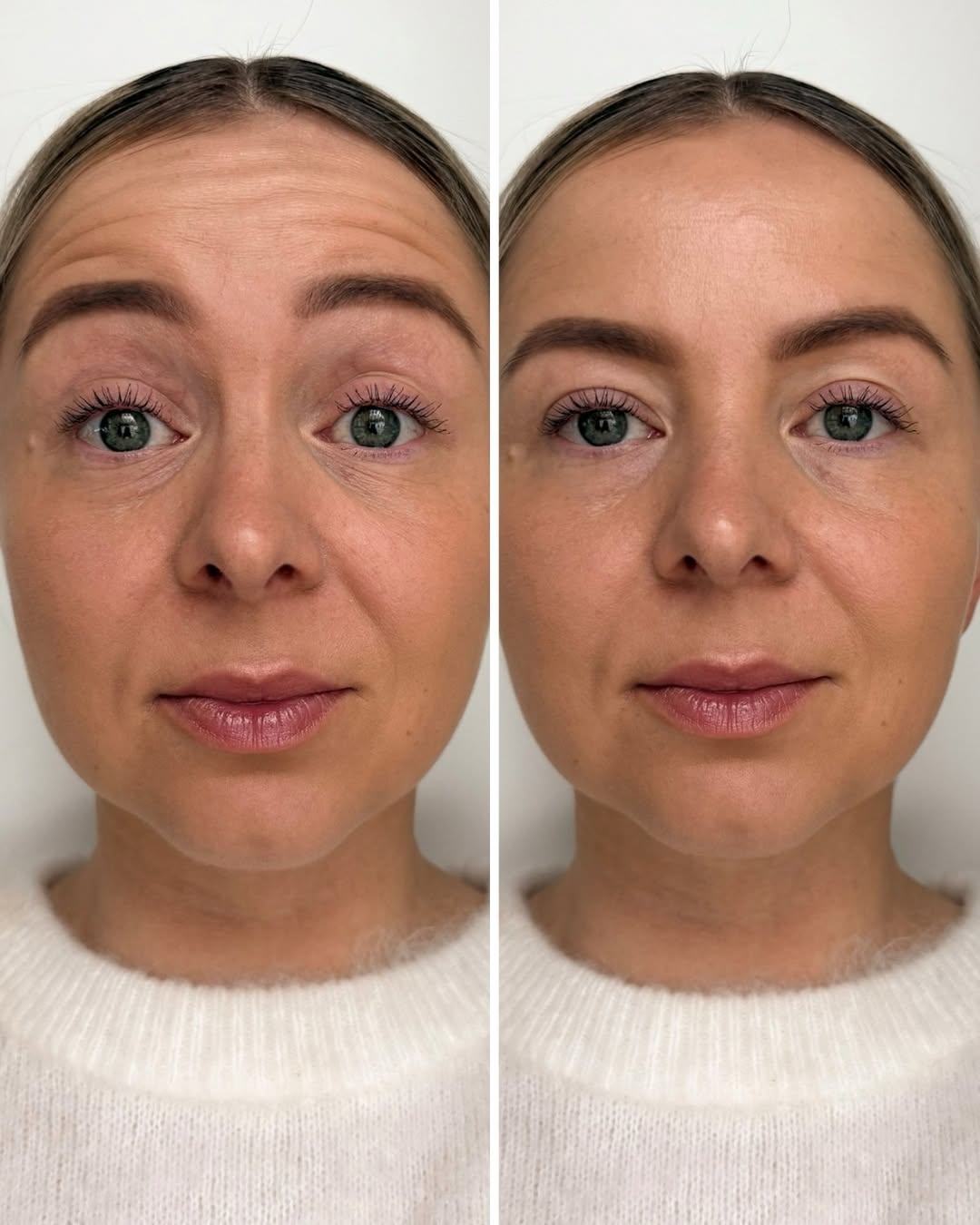
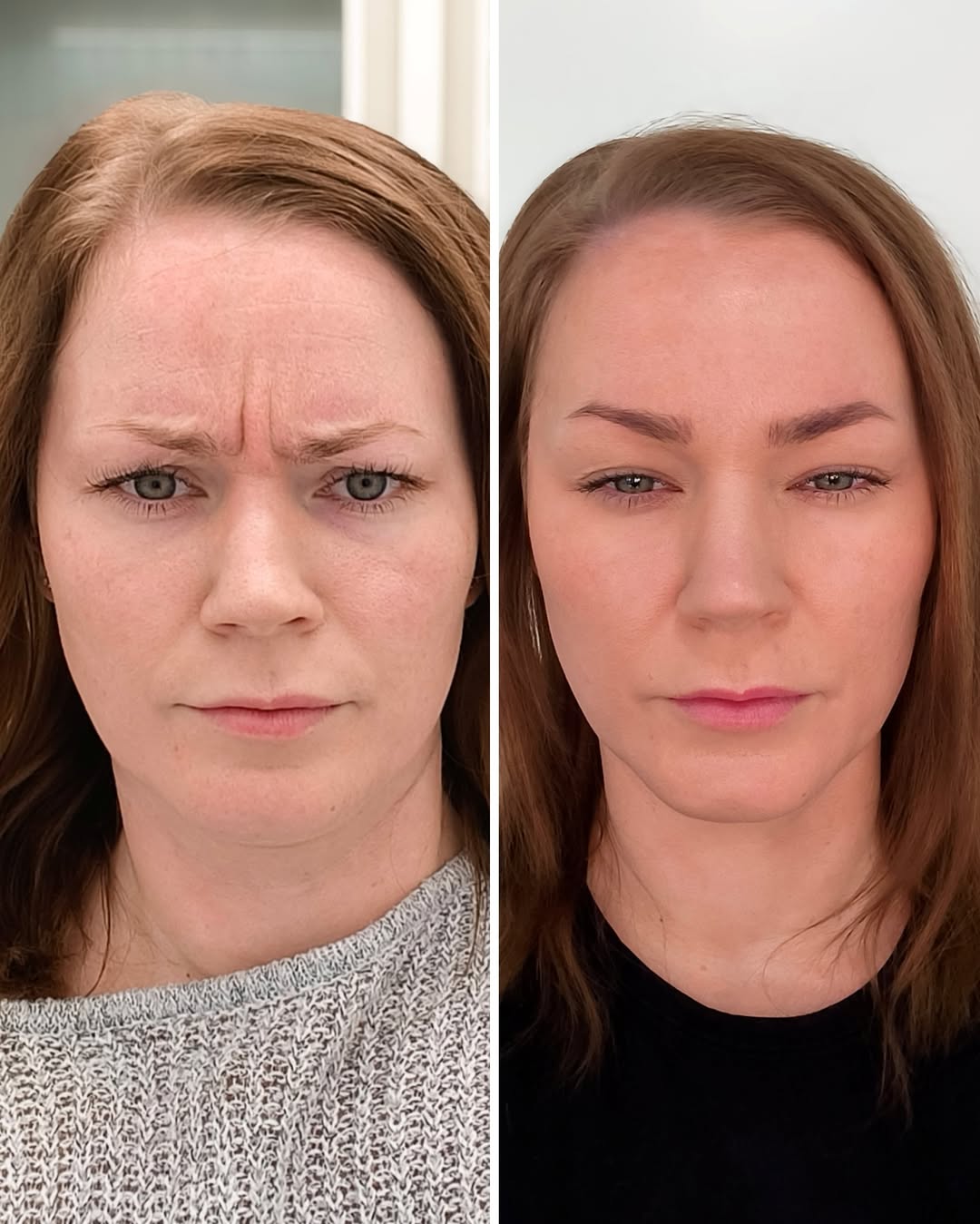
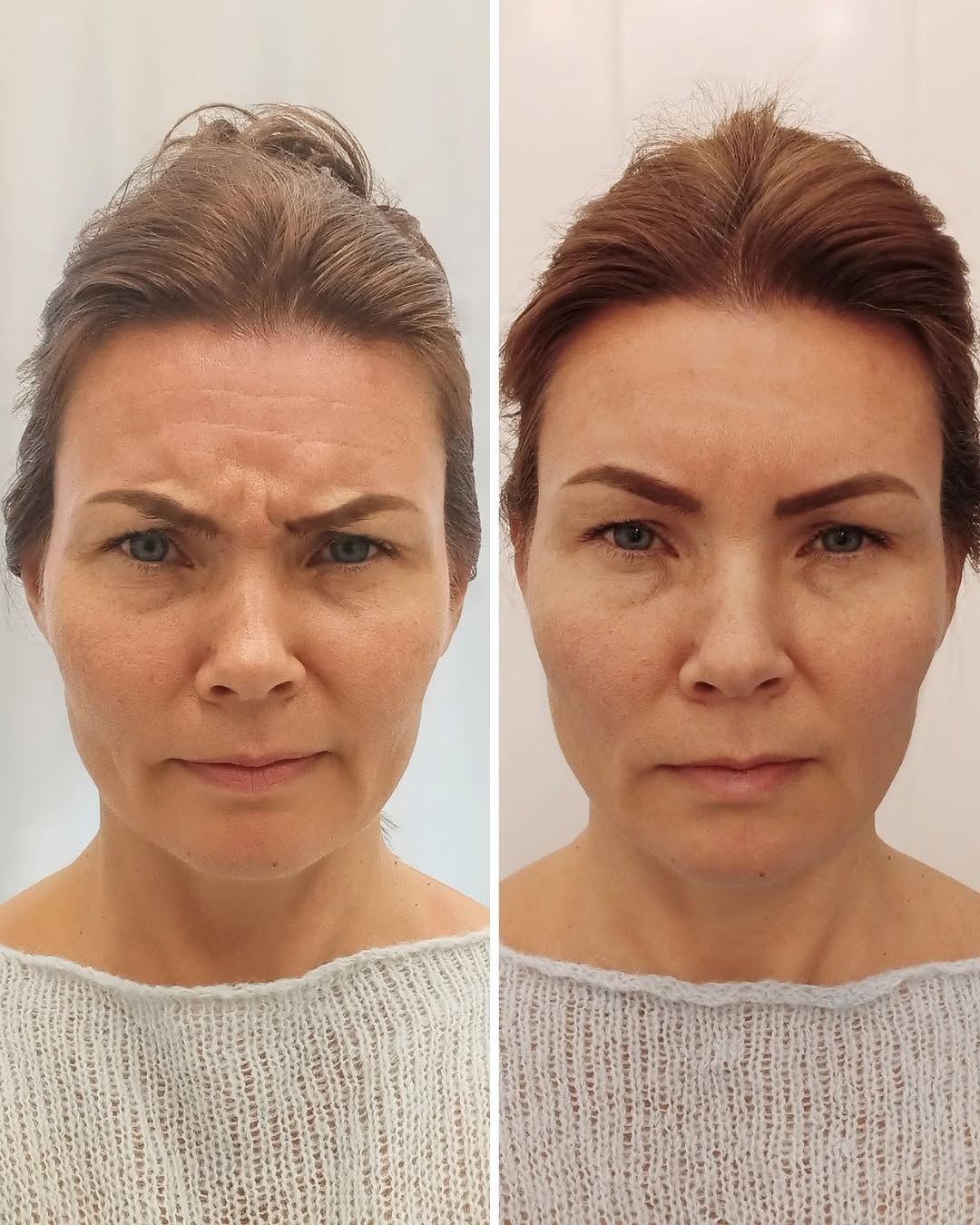
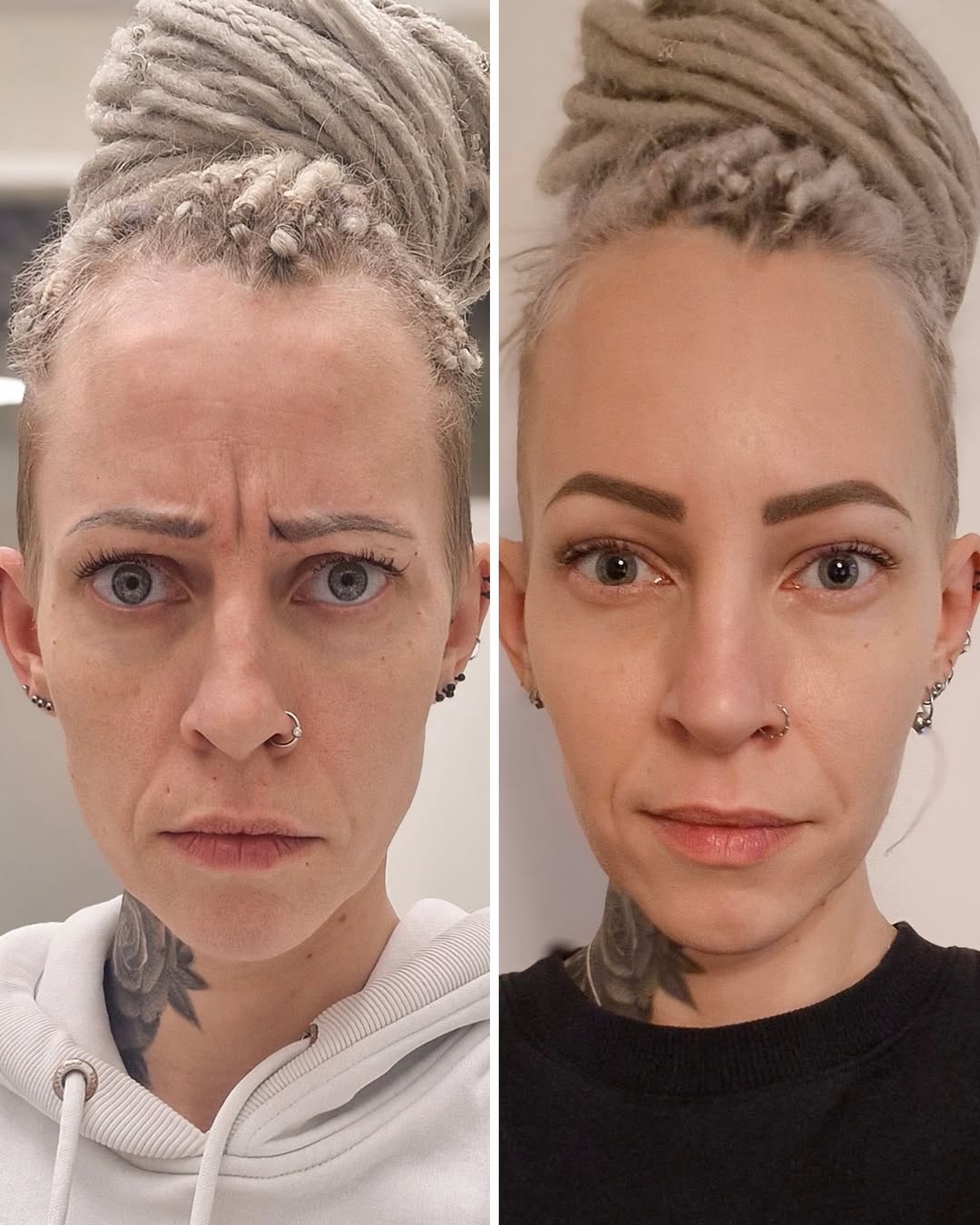
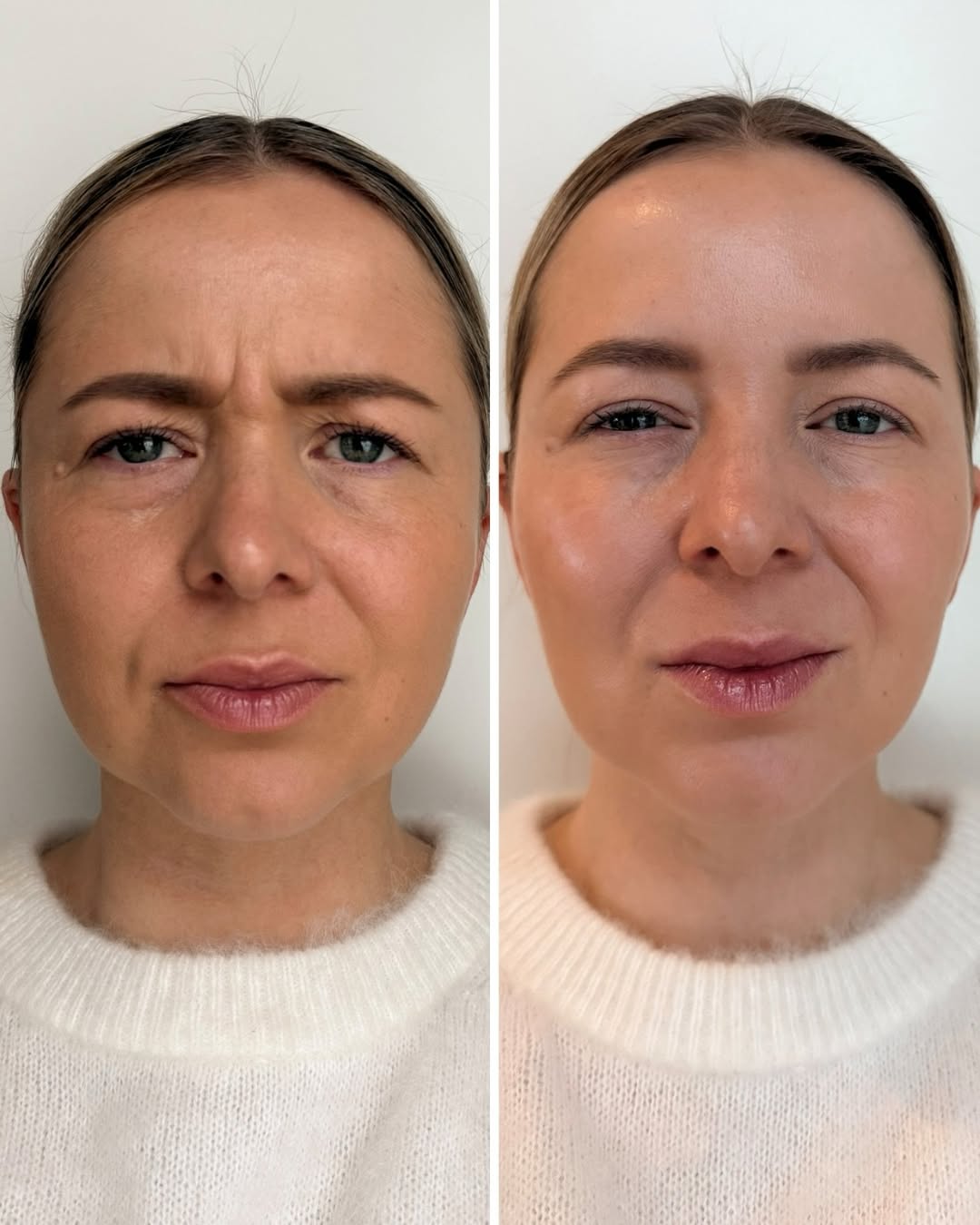
Wrinkles form when muscles are repeatedly activated during facial expressions. In botulinum toxin treatment, the muscles that cause wrinkles are relaxed using small, precisely targeted injections. The before-and-after photo illustrates how the lines become less pronounced over the 14 days following the procedure.
Botox is not intended to make the face expressionless. When performed correctly, Botox treatment smooths out fine lines and relaxes the muscles without causing a loss of facial expression.
The goal is a natural-looking result that preserves facial expressions while reducing deep lines.
“I’ve been getting Botox for several years now, and Ville always does such a great job! I’ve always been really happy with the results.”
Google review, January 2026
Why does Botox last for different lengths of time in different people?
The duration of Botox's effects depends on many individual factors:
- muscle strength
- metabolic rate
- dose of botulinum toxin used
- frequency of treatments
For example, very active facial muscles can cause the effects of Botox to wear off slightly faster.
Why does Botox sometimes seem like it isn't working?
Sometimes patients feel that Botox does not work as expected or that the effects last only a very short time.
In most cases, the cause is related to muscle strength, the dose used, or individual metabolism.
If the effects of Botox do not develop as expected, you can read more here:
After Botox injections.
Can alcohol affect how long Botox lasts?
Moderate alcohol consumption does not generally have a direct effect on the duration of the botulinum toxin’s effects.
However, it is recommended that you avoid alcohol on the day of treatment and immediately after the injections, as it may increase the risk of bruising and swelling at the injection site.
Frequently Asked Questions About the Duration of Botox
How long does Botox last?
For most people, the effects of Botox last about 3 to 6 months. In some patients, the effects may last slightly longer or shorter.
When will the results of Botox be visible?
The first changes may be visible within a few days of the injection. The full results are usually visible after about 10–14 days.
How long does the effect of botulinum toxin last?
The effects of botulinum toxin typically last from a few months to six months, depending on the treatment area and the dose used.
Can Botox last longer than six months?
In some patients, the effects may last longer, particularly in the masticatory muscles or with regular treatments.
I’ve been seeing Ville since December 2022. I go to him for Botox once a year. And the results have lasted exceptionally well.
Google review, January 2026
How often can you get Botox?
Botox injections are usually given every 3–6 months. The interval between treatments varies from person to person, and the exact interval for follow-up treatments becomes clear after two or three sessions.
There is always a gap of at least 3 months between Botox treatments. This helps prevent botulinum resistance —that is, the body developing a resistance to botulinum toxin.
More information about Botox treatments
- Botox price – how much does Botox treatment cost?
- Botox Side Effects – What You Should Know About Botulinum Toxin Treatment
- After Botox injections – what happens after the treatment
- Bruxism and Botox for the jaw muscles
- Before and After Botox – Treatment Results
Ville Männistö, oral and maxillofacial surgeon
A specialist dentist who leads botulinum toxin training programs. Her clinical work focuses on the safe use of botulinum toxin for both aesthetic and medical indications.
I am a member of a research group whose study on botulinum toxin treatments for masticatory muscles has been published in an international peer-reviewed scientific journal. Check out the study in the PubMed database.