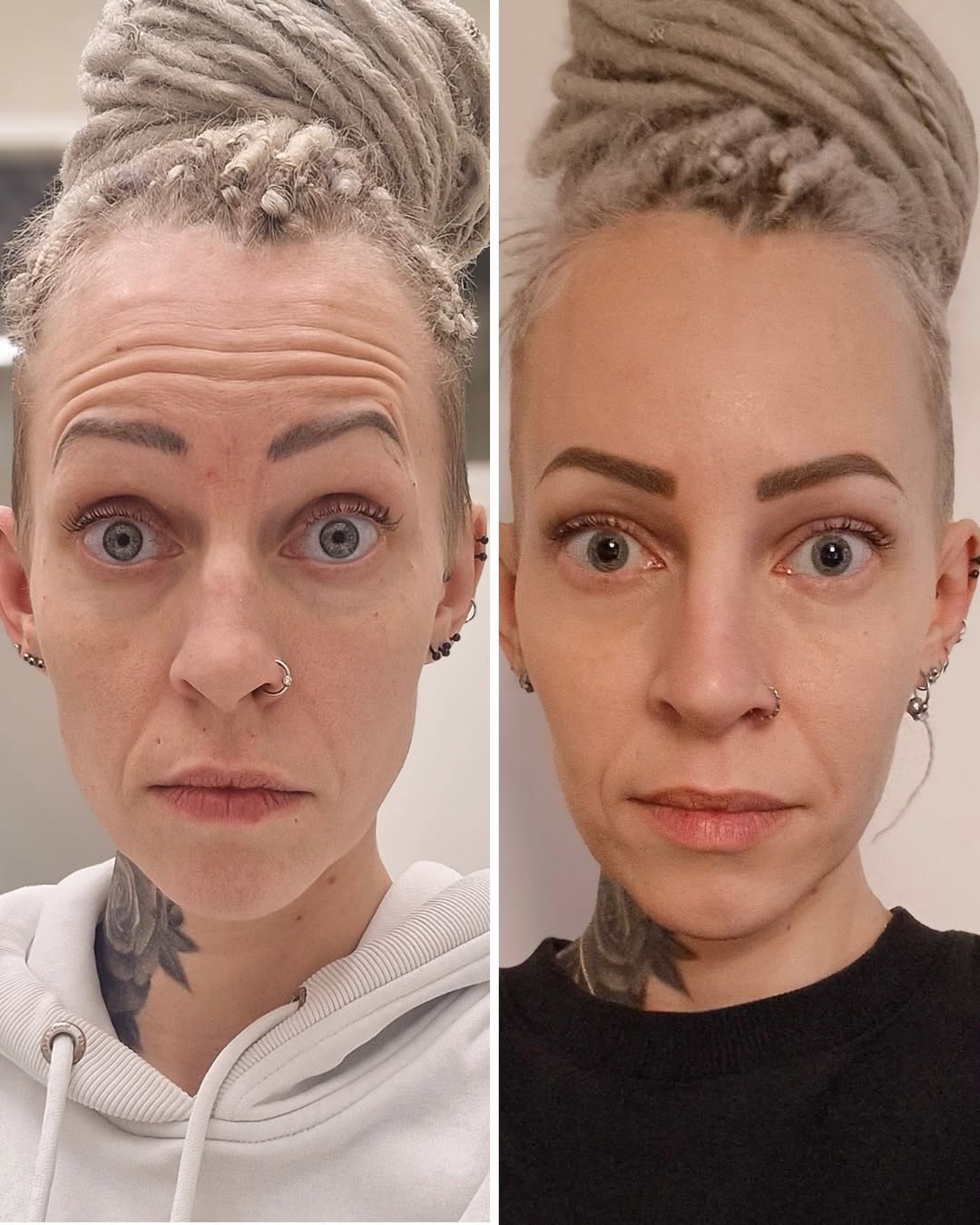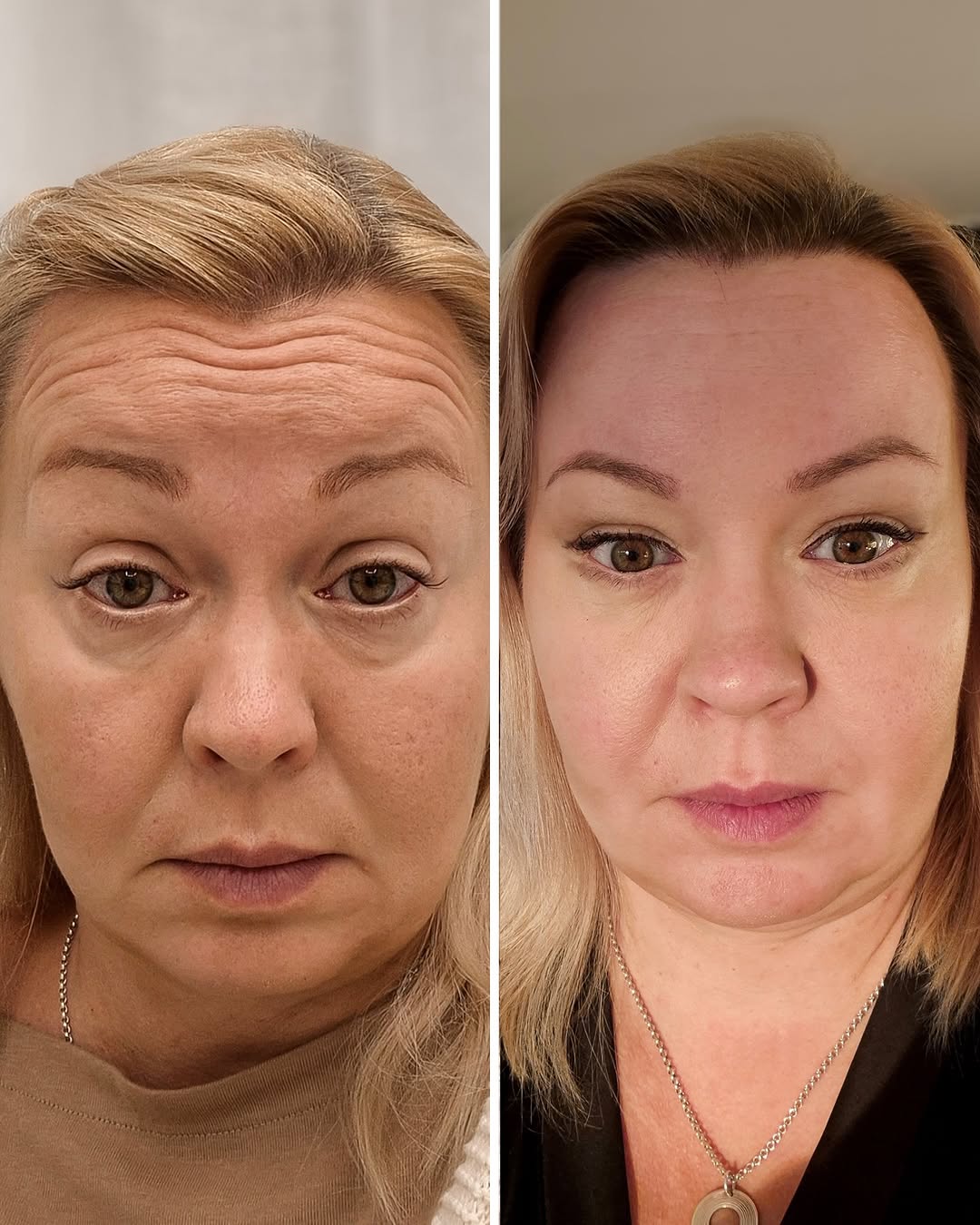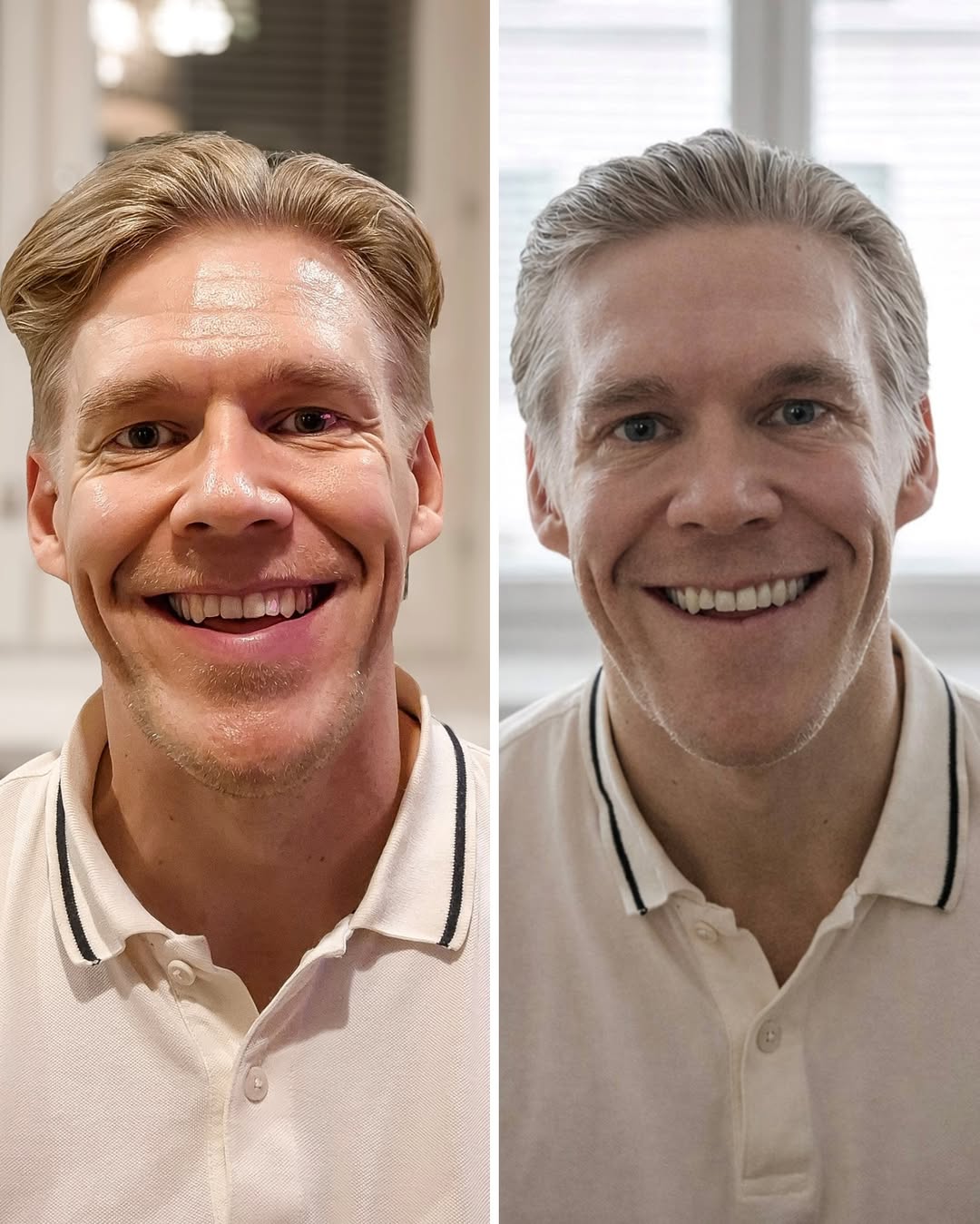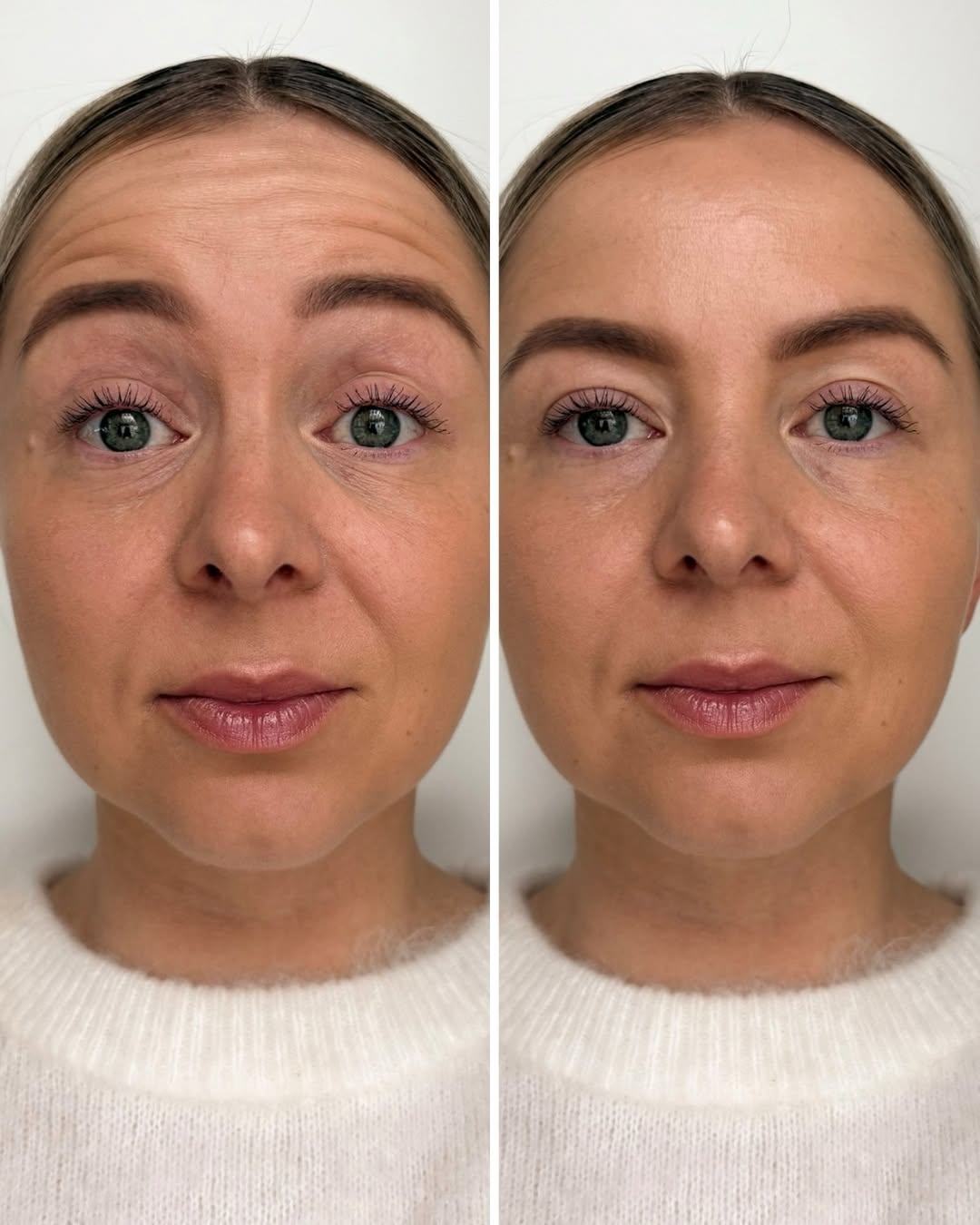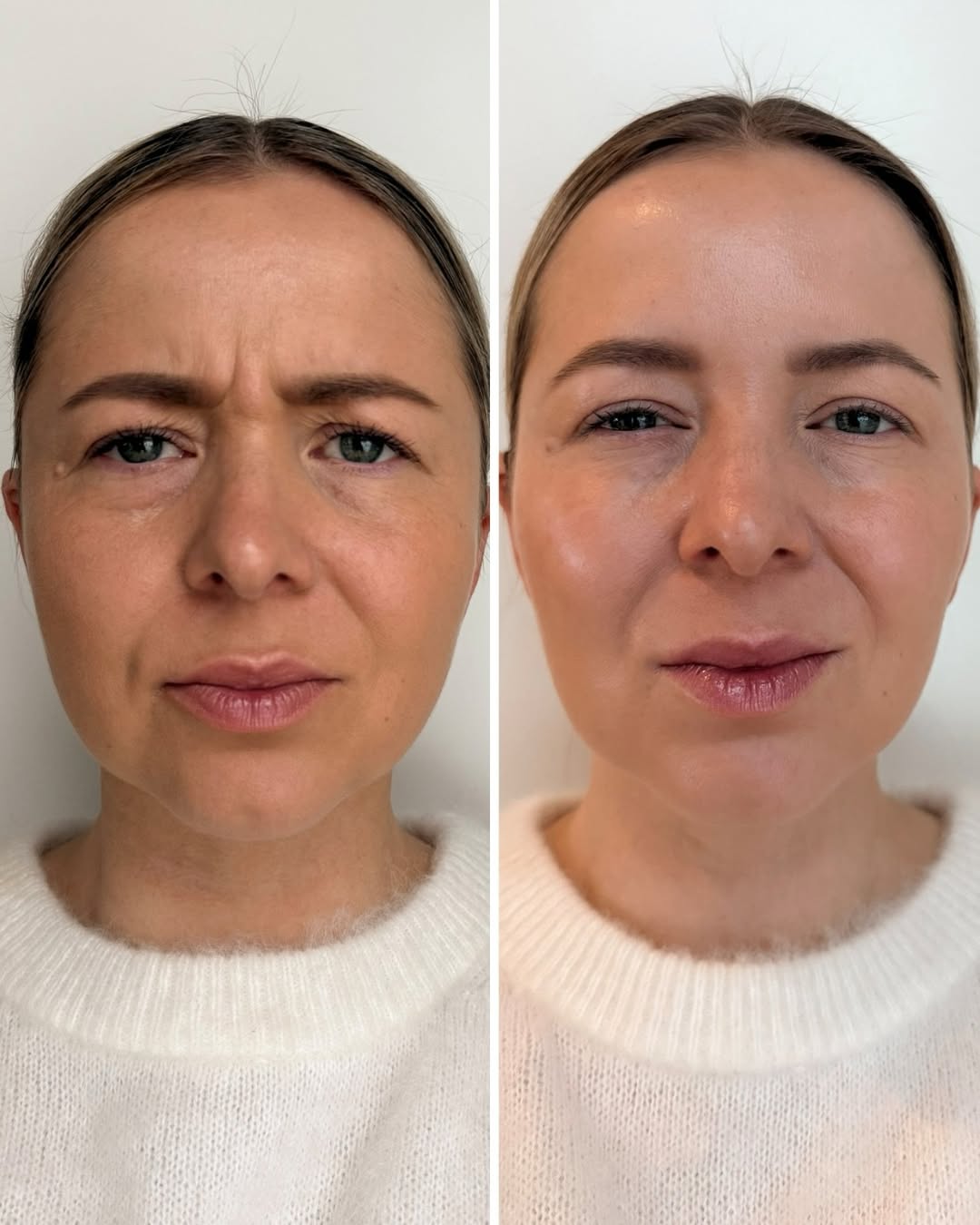
Botox Resistance: When Botox Doesn't Work
Botox resistance occurs when a patient who has undergone botulinum toxin treatment develops antibodies that neutralize the toxin. These antibodies bind to the botulinum toxin molecule before it can affect the function of the target muscle.
Because the immune system acts quickly, botulinum toxin is unable to work as intended. When the action of botulinum toxin is blocked, the treatment results are also modest, or even nonexistent.
Why doesn't Botox work?
- Have I become resistant to Botox?
- Why doesn't Botox work anymore?
- The effects of Botox wore off after just a month and a half. Before, the results used to last at least three months. What went wrong?
surgeon Männistö, surgeon specializing in aesthetic medicine, answers these questions a few times a year, both on Instagram and in his office. In addition to his clinical work, Ville is writing a dissertation that addresses, among other topics, the treatment of occlusal disorders with botulinum toxin.
This blog post was written based on questions from patients and comments from Ville.
What is Botox resistance?
Botox resistance is a very rare condition. In nearly all cases, what is thought to be resistance turns out, upon closer examination, to be something other than true Botox resistance.
"Resistance is, however, an interesting phenomenon, and that is why the topic deserves some attention," says surgeon Männistö
Botox resistance is a rare condition. It can occur, for example, in patients who have undergone botulinum toxin treatments for years with treatment intervals that are too short. Metabolism also plays a role: some people’s bodies metabolize neurotoxins exceptionally quickly and in large quantities.
According to some studies, vaccines may also affect the efficacy of botulinum toxin.
When Botox treatment doesn't work
Healthcare professionals rarely encounter true botulinum toxin resistance. However, as social media discussions on the topic have intensified, the issue of resistance has become a hot topic of conversation, including here in Finland.
According to estimates by U.S. doctors, more patients than ever before are coming to their offices suspecting that they are resistant to Botox. In fact, only 0.01 percent of patients are immune to Botox.
"Usually, there's something else entirely behind the decline in treatment effectiveness," Ville reassures us.
Based on the observations they interpreted as resistance, the doctors participating in the discussion identified the following variables, for example:
- Incorrect dosage. Botox doses that are too small produce poor—or at least short-lived—results.
- Wrong injection site. Every person’s face is different. Finding the correct injection sites requires a very thorough understanding of facial anatomy. Even the correct dosage won’t save the situation if the injection is administered in the wrong place. A deviation of just a few millimeters can be decisive for the outcome.
- The ineffectiveness of botulinum toxin products. This is most often due to improper storage of the substance. There are also some counterfeit or other illegal products on the market, and there is no reliable information about their composition.
- Skin aging. Levels of collagen, elastin, and hyaluronic acid decrease with age. Botox prevents and reduces age-related changes caused by muscle activity. It does not affect the production of collagen, elastin, or hyaluronic acid. The older you get, the more holistically you should approach the condition and appearance of your skin.
It is common for the glabellar lines, for example, to be completely concealed with Botox until one’s 45th birthday. Then comes the day when Botox alone is no longer enough to smooth out the glabellar lines. This is a normal part of the aging process.
There are two options: you can either accept the situation as it is, or enhance the results of your Botox treatment with a small amount of filler, or opt for a skin-firming microneedling treatment.

Avoid the pitfalls
Don't skimp in the wrong places
In Finland, Botox treatments are almost always priced by treatment area. It is possible that the practitioner may treat one, two, or even three areas with an insufficient dose of Botox, either to save money or out of caution. Consumers should be vigilant when encountering Botox deals. Sometimes—though certainly not always—a promotional price hides an extremely low dosage. If, for some reason, the service provider does not enter the trade name and unit quantities of the botulinum toxin into the Kanta system, the details of the treatment remain shrouded in mystery.
Value experience and expertise
Precision and care are matters of honor for an ethically responsible healthcare professional. However, one should not be overly cautious when administering Botox. The more experience a practitioner has, the more solid their knowledge of anatomy and dosing will be. It’s worth sticking with a good Botox practitioner.
Quantity does not replace quality, but it is clear that the more Botox treatments a professional performs, the more their knowledge and skills grow.
Trust in pharmacy products and their proper storage
Botulinum toxin products are prescription medications and are available only at pharmacies. Botulinum toxin purchased from a Finnish pharmacy has been manufactured and stored properly at every stage of the production and distribution chain. When the medication is stored according to instructions at an aesthetic clinic as well, it works effectively. Botulinum toxin purchased from sources other than a Finnish pharmacy may be a genuine product (though not always), but if the substance has been stored improperly, there is no guarantee of its effectiveness.
Don't base your skincare routine solely on Botox
Botox treatments are no substitute for skincare. If you want to enjoy good Botox results for years and decades to come, you should take care of your skin. If your at-home skincare routine isn’t up to par, you should get it in order by the time you’re 35 at the latest. You should start stimulating the production of collagen, elastin, and hyaluronic acid starting in your thirties. A series of microneedling treatments performed once a year provides excellent support for Botox treatments.
Microneedling treatment covers all areas of the face, including the forehead, where it effectively enhances the results of regular Botox treatments.
The most informed consumers are already awaiting the arrival of the latest botulinum toxin innovation (daxibotulinumtoxinA-lanm) from the U.S. to Europe. This new type of botulinum toxin may also resolve many issues related to botulinum toxin resistance.

Genuine Botox resistance
Botox resistance is a rare but genuine phenomenon. Since it has only been observed on a larger scale in recent years, comprehensive scientific research data is not yet available. However, the limited scientific research and reports from professionals point to certain risk factors:
- Botox treatments administered too frequently.
There should always be at least three months between Botox treatments. The risk of developing Botox resistance is likely to increase if treatments are administered at too short intervals over a period of years.
- Too much Botox.
Administering too little botulinum toxin yields poor results. On the other hand, the substance must not be used in excess. Over the years, a large cumulative amount of injected botulinum toxin may be linked to botulinum toxin immunity. Although Botox treatment is quick and easy, the individualized dosing of the medication requires a great deal of expertise, constant mental effort, and even passion from the practitioner.
"The professional's job is to find the smallest possible dose of Botox that achieves the maximum effect," Ville Männistö sums up.
- Non-toxic proteins contained in the product.
Botulinum toxin is a protein encased in a shell of non-toxic proteins. The non-toxic proteins contained in the drug increase the product’s stability, but in some patients, these crucial additional proteins may stimulate the formation of antibodies.

Am I immune to Botox?
Botox resistance is a relatively new phenomenon, so there are no tests available on the commercial market yet. Research on this topic is currently underway in the United States. There, the issue has already been studied using scientific methods and tests. More information is therefore on the way.
We don’t yet have simple testing methods, but a diagnosis can still be made. It is always performed by a professional. Diagnosis is not a simple matter but requires medical expertise, extensive experience, and, above all, time. Almost always, behind apparent Botox immunity lies something other than true antibodies.
If you're wondering about this, you should
- review their own patient records—primarily the botulinum toxin products used and the amounts injected
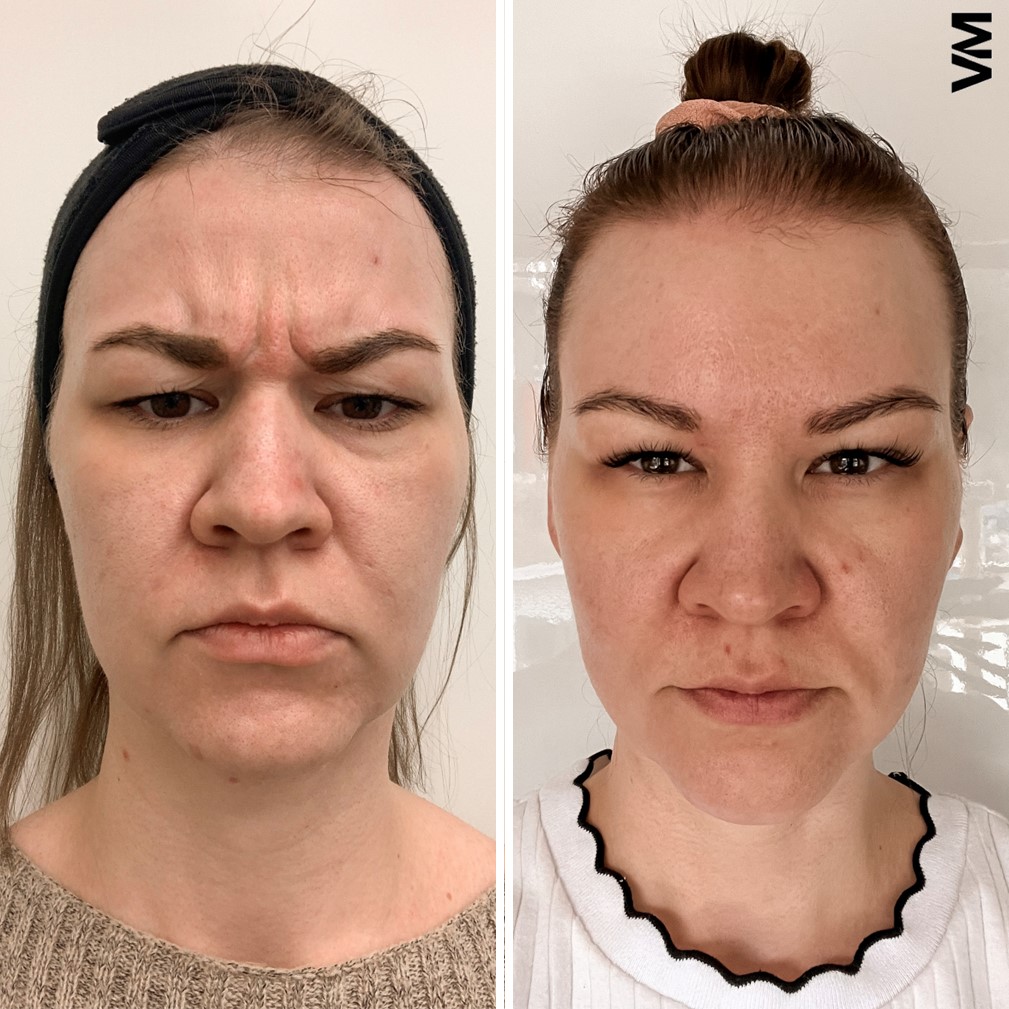
- look back at their own before-and-after photos over the years
- try alternative botulinum toxin products, i.e., Botox from a different brand
- seek out a service provider with expertise in the matter to find solutions
Why doesn't Botox work?
Is your usual botulinum toxin not working? Switching to a different brand often helps.
Different brands of botulinum toxin:
* Botox/Vistabel
* Dysport/Azzalure
* Xeomin/Bocouture
Can Botox resistance be treated?
TIME HEALS ALL WOUNDS…
If a healthcare professional qualified to administer botulinum toxin treatments detects Botox resistance, all is not lost. The formation of antibodies that neutralize botulinum toxin diminishes over time. A four- to five-year break from botulinum toxin treatments will likely restore the body’s “factory settings,” and treatments can then be restarted if necessary.
… BUT I CAN'T STAND IT AND I DON'T WANT TO WAIT
If waiting doesn't work, other solutions have been developed.
Based on current research data and the clinical observations of professionals, the WASHOUT treatment protocol for patients with botulinum toxin resistance might look something like this:
- A break of 6–12 months from botulinum toxin treatments. During this break, the focus is on collagen-stimulating treatments (microneedling, skin boosters, mesotherapy, Profhilo).
- Switching to a botulinum toxin product (“brand”) that does not stimulate the formation of antibodies.
- A two-year “washout” period using the new botulinum toxin product, during which treatment intervals are extended beyond the usual duration.
Zinc may enhance the effectiveness of botulinum toxin or at least prolong the duration of the treatment results. Research data on this topic is still limited, but zinc supplementation may still be worth considering; there are no known adverse effects associated with temporary zinc supplementation.
Start taking zinc (50 mg/day) five days before your Botox treatment, and continue taking it on the day of the treatment as well.
Summary
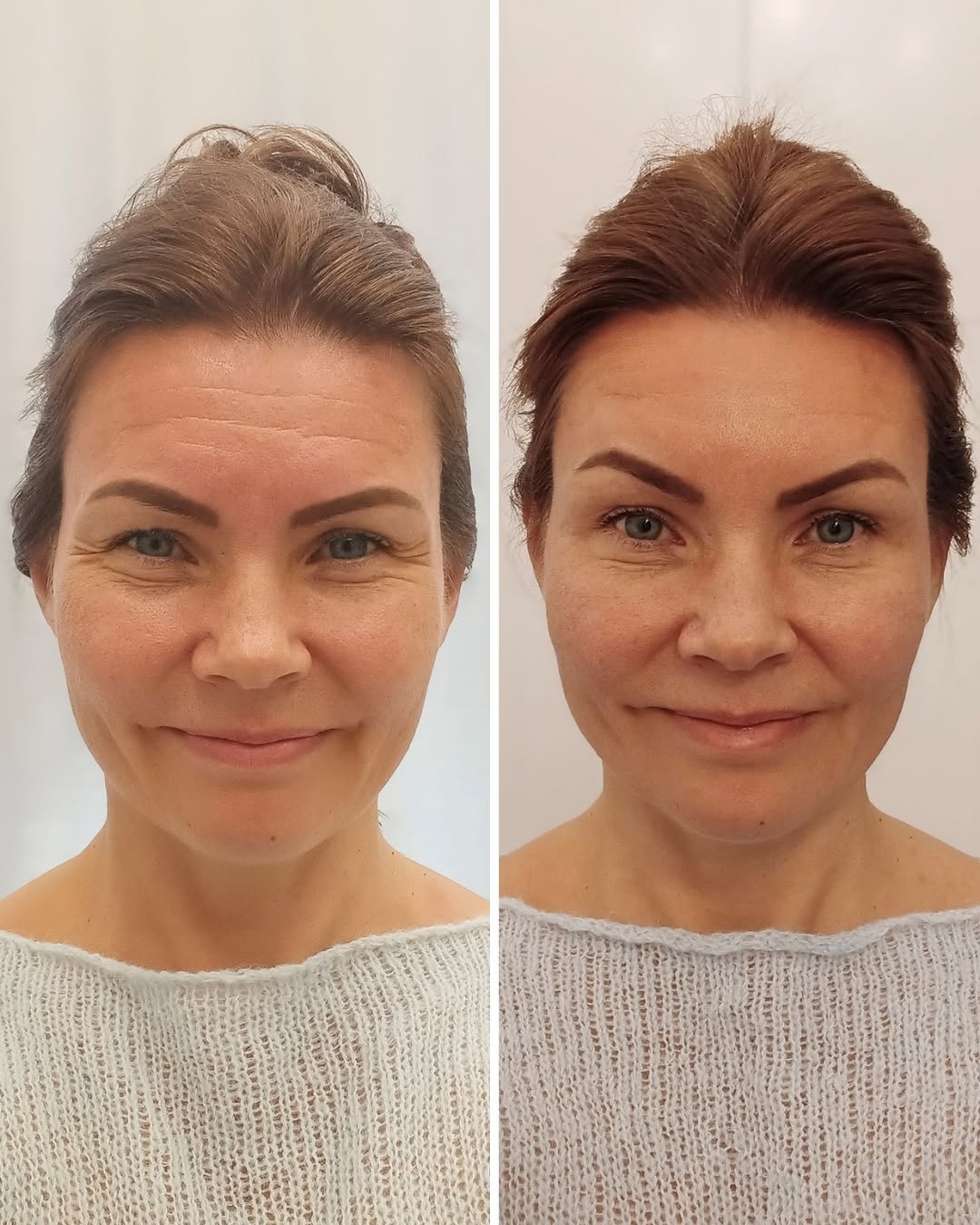
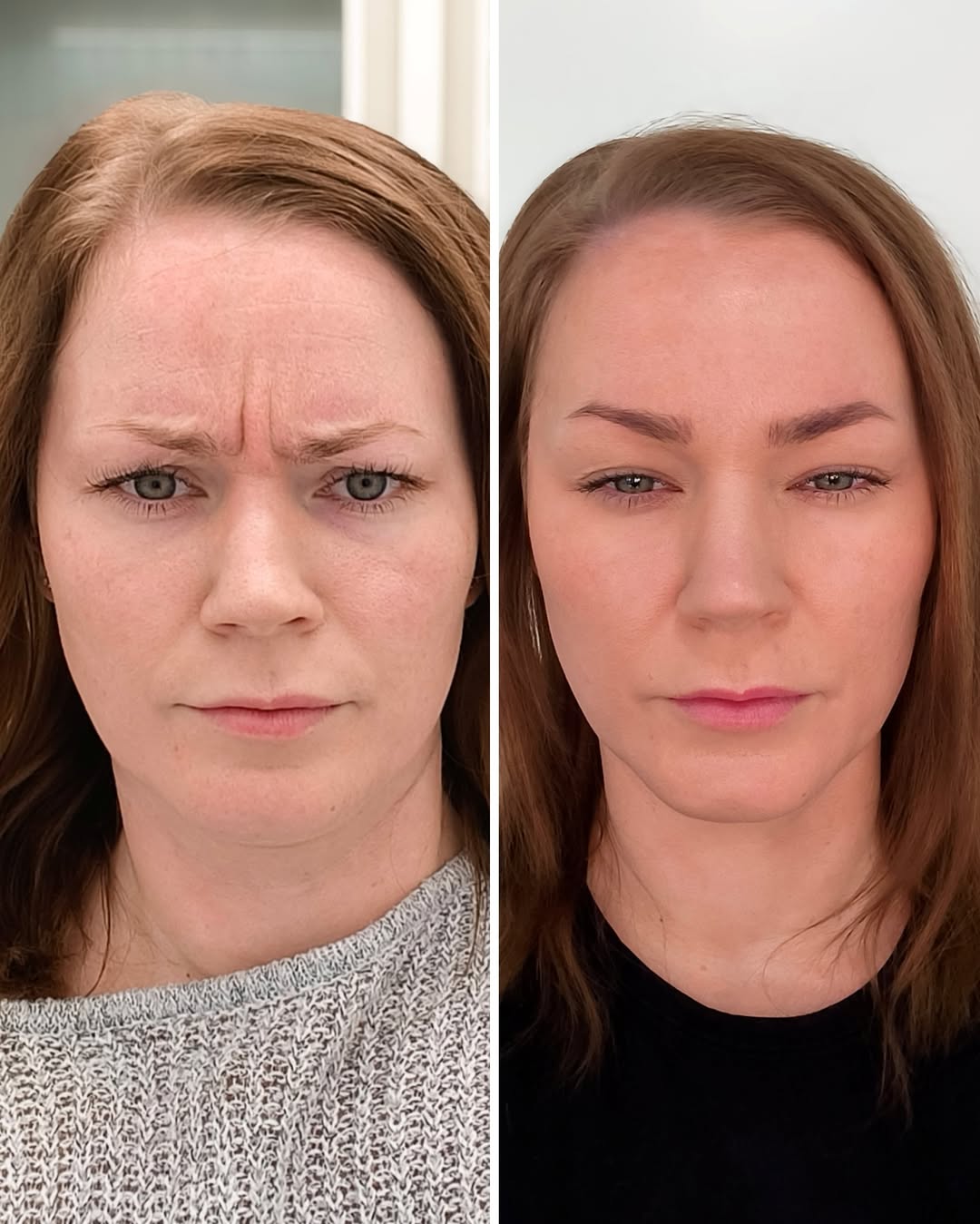
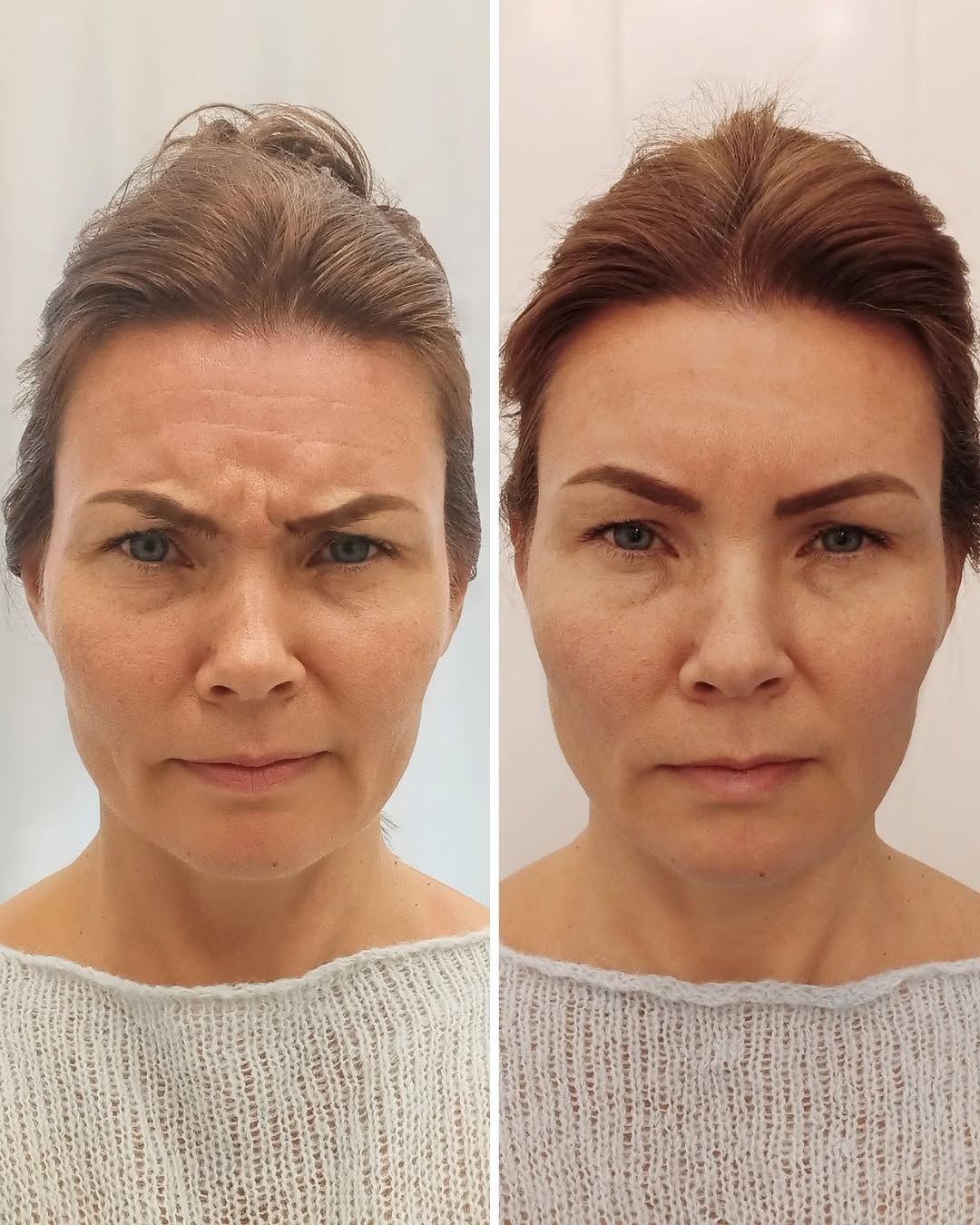
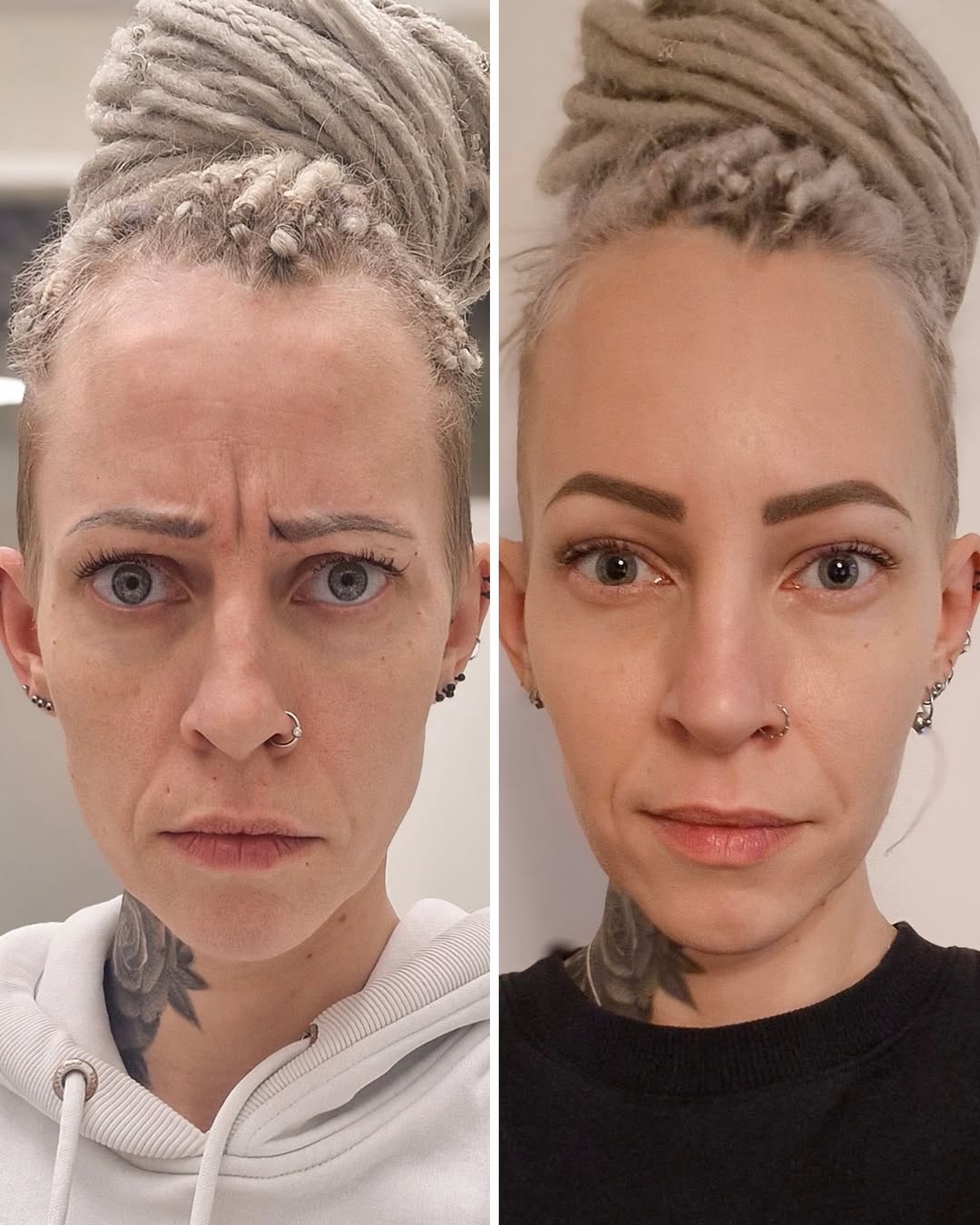
- Botox treatment is the most effective, safest, and most affordable way to prevent and correct wrinkles and other signs of aging.
- Immunity to botulinum toxin (resistance) is a very rare occurrence. In most cases, the issue is not resistance but rather incorrect dosing, an incorrect injection site, or accelerated skin aging.
- Botox resistance can be prevented by ensuring that there is sufficient time between treatments. Look for an experienced professional who knows facial anatomy and botulinum toxin dosing better than the back of their hand. If possible, try different brands of botulinum toxin products.
- Once you find a credit professional you trust, stick with them. Once you get to know each other, you’ll be able to respond promptly to any potential payment issues.
- Time and/or the BOTOX WASHOUT treatment protocol can help with true Botox resistance.

Botox at a Glance
Botulinum toxin treatment is commonly known as Botox
Botox treatment effectively prevents and reduces wrinkles and other signs of aging, especially in the upper face. The treatment is performed using a prescription medication that is sold in pharmacies under several brand names:
- Botox
- Vistabel
- Dysport
- Azzalure
- Bocouture
- Xeomin
The best-known of the brand names mentioned above is Botox, and the name Botox has become a generic term for all types of botulinum toxin treatments. So we refer to them as Botox treatments even when the procedure is performed using, for example, Xeomin or Dysport.
A timeless classic
Botox treatments are a classic. Medical Botox treatments have been performed since the 1970s, and cosmetic treatments for over three decades.
Clinically proven to be safe
Botulinum toxin treatment has a solid safety profile, and since the drug has been in use for nearly 50 years, a wealth of long-term research on the procedure has been accumulated.
Preliminary results
Botox treatments always produce temporary results. To maintain the results, treatments should be repeated every 3 to 6 months.
Research
Study 1: Antibody formation is possible
Neutralizing antibodies to botulinum neurotoxin type A in aesthetic medicine: five case reports (Torres, Hamilton et al. 2013)
Summary in Finnish
This study examines the formation of neutralizing antibodies against botulinum toxin A in aesthetic medicine, as well as treatment failure caused by these antibodies. Here is a summary of five case reports in which secondary treatment failed due to neutralizing antibodies.
Case 1: Dr. Torres
Patient: 55-year-old woman
Initial treatment: September 2011, 33 U of onabotulinumtoxin A (Vistabel®) in the upper third of the face.
Results: No response to the initial treatment. In October 2011, switched to 80 Speywood U botulinum toxin A (Dysport®). This produced a mild response that lasted three months. Neutralizing antibodies were positive.
Case 2: Dr. Hamilton
Patient: 54-year-old woman
Initial treatment: April 2009, 50 U of botulinum toxin A (Dysport®) into the glabella, 20 U into the frontalis muscle, 50 U into the orbicularis oculi muscle, 50 U along the jawline.
Results: In May 2010, the treatment was not as effective as before. In December 2010, the patient switched to onabotulinumtoxin A (BOTOX®), but the effect was minimal. Follow-up treatments with abobotulinumtoxin A (Dysport®) and incobotulinumtoxin A (Xeomin®) had no effect. The patient tested positive for antibodies.
Case 3: Dr. Sanches
Patient: 41-year-old woman
Initial treatment: 2006, 100 U onabotulinumtoxin A (BOTOX®) for hyperhidrosis, duration 5 months.
Results: In 2009 and 2010, the duration of treatment was 2–3 months. In 2011–2012, 500 U of botulinum toxin A (Dysport®) produced an effect that lasted only 1.5 months. The patient tested positive for antibodies.
Case 4: Dr. Gubanova
Patient: 43-year-old woman
Initial treatment: 2004, a total of 1,000 U of botulinum toxin type A (Dysport®) administered over eight injections.
Results: For the first 3 years, the effect lasted 6–8 months. After 2007, the treatment effect lasted only 3 months. The patient had high levels of neutralizing antibodies.
Case 5: Dr. Reshetnikova
Patient: 38-year-old male
Initial treatment: 2010, 120 U of botulinum toxin A (Dysport®) into the frontalis, corrugator, and procerus muscles; effect lasted 6 months.
Results: 2011 treatment with 200 U lasted 2 months. 2012 treatment with 250 U had no effect. The patient had high antibody levels.
Summary
Research shows that neutralizing antibodies can develop even with low doses of botulinum toxin A used for aesthetic purposes, which may lead to treatment failure. To minimize the risk of developing neutralizing antibodies, it is recommended to use the lowest effective doses possible, avoid additional injections, and wait at least 3 months between treatments.
Study 2: Antibody formation can be avoided
Immunogenicity Associated with Botulinum Toxin Treatment (Bellows, Jankovic 2019)
Summary in Finnish
This study examines the immunogenicity associated with botulinum toxin therapy and its impact on treatment efficacy. Botulinum toxin (BoNT) is used to treat a wide range of neurological, medical, and cosmetic conditions. Two serotypes, type A (BoNT-A) and type B (BoNT-B), are in clinical use. Although they are considered safe and effective, their use is rarely associated with the formation of antibodies, which can reduce or prevent their therapeutic effect.
Key points:
1. Immunogenicity
- Short dosing intervals and high doses increase the risk of antibody formation.
- The characteristics of certain BoNT serotypes, such as their composition, preparation, and storage, may affect their immunogenicity.
- In new formulations containing purified core neurotoxin without additional proteins, immunogenicity may be lower.
2. Detection of Antibodies
- Several tests for detecting antibodies (ELISA and mouse-based bioassays) are available for research use.
- Structural assays are sensitive for detecting antibodies, but they cannot distinguish between neutralizing and non-neutralizing antibodies.
3. Primary and secondary treatment resistance:
- Primary treatment resistance (PNR) refers to a situation in which patients do not respond to BoNT from the very first injection.
- Secondary treatment resistance (SNR) occurs when patients initially respond to an injection but lose this response in subsequent treatment cycles.
4. Patient cases and risk factors:
- Studies have shown that in some patients, the formation of antibodies can take a long time.
- Certain patient groups, such as those with a history of botulism exposure or vaccination, may be more prone to developing antibodies.
- It has been suggested that tetanus vaccines influence the formation of BoNT antibodies, but this has not been supported by animal studies.
5. Structure and function of BoNT:
- BoNT consists of a core neurotoxin and non-toxic accessory proteins (NAPs).
- BoNT-A and BoNT-B affect different SNARE proteins, thereby disrupting the release of acetylcholine into the synaptic cleft.
6. Clinical trials and practical recommendations:
- Clinical tests, such as the unilateral brow injection test (UBI), can be used to detect SNR.
- Patients should wait at least 3 months between injections to reduce the risk of antibody formation.
Conclusions
Botulinum toxin, also known as Botox, is a safe and effective treatment option for many neurological and non-neurological conditions. Although the formation of neutralizing antibodies is a concern, several strategies can reduce the development of immune resistance, such as using products with a low protein load, avoiding adjuvants, maintaining safe injection intervals, and using the lowest possible dose that produces an optimal clinical response.