Botox Side Effects: Risks, Prevalence, and Safety
Side effects of Botox are almost always mild and temporary. The most common ones are redness, swelling, and a small bruise at the injection site. These occur in a relatively small percentage of patients. Serious side effects are rare and are usually related to the spread of botulinum toxin to adjacent muscles.
Are the side effects dangerous? In most cases, no. The vast majority of side effects are mild and temporary. Serious side effects are rare and occur when botulinum toxin affects unintended muscles.
The risks associated with Botox treatment aremainly related toside effects or aesthetically unsatisfactory results. For example, compared to filler treatments, the risks of Botox are incomparably lower.
Author
Ville Männistö, oral and maxillofacial surgeon
Specializes in facial anatomy and dysfunction of the masticatory muscles; certified in botulinum toxin treatments. Clinical work focuses on the safe use of botulinum toxin for both aesthetic and medical indications.
I am a member of a research group whose study on botulinum toxin treatments for masticatory muscles has been published in an international peer-reviewed scientific journal.
View the study in the PubMed database
What are the most common side effects of Botox?
Simply put, the most common side effects are related to the injection site or local muscle effects.
Medically speaking, side effects can be divided into two main categories:
- reactions at the injection site (redness, swelling, bruising)
- symptoms related to the effects of botulinum toxin (e.g., headache, temporary muscle weakness, resistance / development of resistance)
The most common side effects are:
- redness at the injection site
- mild swelling
- a small bruise
- mild headache
Headache after Botox treatment
Headaches are one of the most common temporary side effects of botulinum toxin treatment. They may be caused by
- the body's reaction to injections
- changes in the function of the treated muscles
- the accumulation of the drug in the tissue.
The symptoms are usually mild and subside on their own within a few hours, or within a few days at the latest.
How can you relieve a headache after Botox treatment?
If necessary, headaches can be treated with acetaminophen.
Even if you have a headache, it’s best to avoid massaging the injection site during the first 48 hours.
Less common are:
- drooping eyelid (ptosis)
- facial asymmetry
Note from the Surgeon
Side effects of Botox treatment are most often related either to the injection itself or to the local effects of botulinum toxin. This means that most symptoms are predictable and temporary.
Clinically, the most important factor is not the complete avoidance of side effects, but rather their predictability, proper dosing, and precise targeting of injections based on the individual anatomy of the face.
Is Botox dangerous?
When performed by a doctor or dentist, Botox treatment is a safe procedure.
Botulinum toxin has been used in medicine for decades to treat conditions such as migraines, muscle spasms, and excessive sweating. Because the drug has been in use for decades, there is a wealth of scientifically valid data on its long-term effects.
The doses used in cosmetic botulinum toxin treatments are very small compared to those used for many medical indications.
Botulinum toxin works by blocking the release of the neurotransmitter acetylcholine at nerve endings. When the nerve cannot transmit the signal to contract the muscle normally, muscle activity is temporarily reduced.
Further information on the medical use of botulinum toxin can be found, for example, on the FDA’s website.
If you’d like to learn more about how Botox treatments are performed and how safety is ensured at the clinic, read my Botox guide.

How common are the side effects of Botox?
Side effects of Botox are usually mild, localized, and temporary. Serious side effects are rare in cosmetic botulinum toxin treatments.
Most reactions associated with Botox treatments are mild and temporary.
The most common ones are:
- redness at the injection site
- mild swelling
- a small bruise
- mild headache
These symptoms are usually related to the injection itself rather than the medication itself.
Side effect or complication?
In short: A side effect is usually a mild and expected reaction. A complication is a rarer and unexpected outcome.
- Side effect: for example, a small bruise, redness, or mild swelling at the injection site
- Complications: for example, drooping eyelids, facial asymmetry, or botulinum toxin affecting the wrong muscle
Side effects of Botox treatment, by frequency
- Redness and swelling at the injection site
Frequency: very common
Duration: from a few hours to a day - Bruise
Prevalence: fairly common
Duration: about 3–7 days - Headache
Prevalence: fairly common
Duration: 1–2 days - Drooping eyelid (ptosis)
Prevalence: rare
Duration: weeks to months (transient) - Facial asymmetry
Prevalence: rare
Duration: transient - Allergic reaction
Frequency: very rare
Rare side effects of Botox
In rare cases, botulinum toxin may spread to adjacent muscles.
This could result in, for example:
- asymmetry of the corners
- drooping eyelids
- muscle weakness in the treated area
According to several review articles, even rare complications (ptosis, muscle weakness at the injection site, asymmetry) are usually temporary.
Botox and drooping eyelids (ptosis)
One of the most common complications is drooping of the upper eyelid, also known as ptosis.
This occurs when botulinum toxin affects a muscle called the levator palpebrae superioris, which raises the eyelid.
The condition usually resolves on its own as the effects of botulinum toxin wear off. You can try to alleviate the symptoms with eye drops that lower intraocular pressure:
- Apraclonidine eye drops can alleviate eyelid drooping caused by botulinum toxin treatment by stimulating the levator muscle and lifting the eyelid by a few millimeters.
- The effect is temporary and serves to relieve symptoms while waiting for the botulinum toxin to wear off.
If you're wondering how to go about your daily routine after Botox treatment and what guidelines you really need to follow, see the detailed instructions: After Botox injections.
Serious side effects
Simply put: Serious side effects are rare but possible. They are usually caused by the spread of botulinum toxin to areas other than the target muscle.
Medically speaking: Botulinum toxin blocks the release of acetylcholine at nerve endings. If the effect occurs in unintended muscles, functional disorders may result.
Possible serious side effects include:
- difficulty swallowing (dysphagia)
- speech difficulties
- breathing difficulties
- widespread muscle weakness
These are extremely rare at the doses used in cosmetic treatments, but always require a doctor’s evaluation.
If the effects of botulinum toxin extend to the muscles involved in breathing or swallowing, this constitutes a medically significant adverse reaction that requires immediate evaluation.
Can Botox treatments cause permanent side effects?
According to the literature, permanent side effects have been observed mainly in situations where
- unauthorized or counterfeit products have been used
- exceptionally high doses have been administered
- The treatment was performed by an untrained person
The consensus in the research literature is fairly consistent. Botulinum toxin is one of the most extensively studied substances in aesthetic medicine, and it has an excellent safety profile. The drug’s effect is localized, the doses are small, and the effect is reversible.
How can Botox side effects be prevented?
The risk of side effects from Botox treatment can be reduced through careful treatment planning and proper injection technique.
- The treatment is provided by a trained healthcare professional: a doctor, a dentist, or a nurse working under their direct supervision
- A professional has a thorough understanding of the anatomy of the facial muscles
- Botulinum toxin is administered correctly.
- The patient is examined and their baseline condition is carefully assessed before treatment begins.
Most side effects of Botox treatments are related to the injection site, not to the drug itself—that is, botulinum toxin.
When should you consult a professional?
Most symptoms are mild. However, contact your healthcare provider if you experience
- severe pain
- vision problems
- difficulty swallowing
- breathing difficulties
If you have any questions, feel free to contact me.
Can Botox go wrong?
Although botulinum toxin treatments are safe when performed by a professional, the results sometimes fall short of expectations.
This may be due, for example, to the botulinum toxin spreading to the wrong muscle or an imbalance in the facial muscles.
If you’d like to read more about situations where Botox hasn’t worked as hoped, check out this article:
Frequently Asked Questions About Botox Side Effects
Does Botox hurt?
Botox is injected using a very fine needle. Most people describe the injections as feeling like small pinpricks. The sensation is comparable to an insect bite.
How long do the side effects of Botox last?
The most common side effects, such as redness and swelling, usually subside within a few hours. Any bruising usually disappears within 1–2 weeks.
Can Botox treatment cause permanent side effects?
The doses used in cosmetic botulinum toxin treatments are small. Any side effects are temporary. Current research evidence does not indicate that botulinum toxin used in cosmetic doses causes permanent harm.
The effect of botulinum toxin is pharmacologically designed to be temporary: nerve endings form new synapses in the months following treatment.
The effect of botulinum toxin on the neuromuscular junction is reversible. Muscle function returns to normal on average 9–12 months after treatment.
On the other hand, this is precisely why Botox treatments must be repeated every 3 to 6 months if you want to maintain the results.
What should you avoid doing after Botox injections?
After Botox injections, you should avoid strenuous exercise, saunas, and massaging the injection site for the first few hours.
👉 Read the detailed instructions for after Botox injections
Summary of Botox Side Effects
In short: Side effects of Botox are usually mild, localized, and temporary. Serious side effects are rare in cosmetic treatments.
- The most common side effects are related to the injection site (redness, swelling, bruising)
- Symptoms are usually temporary and last from a few hours to several days
- Rare side effects are related to the effect of botulinum toxin on surrounding muscles
- Serious side effects are extremely rare in cosmetic procedures
- Safety depends on proper dosing and an understanding of facial anatomy
If you're considering Botox treatment and have any concerns about its safety, you can submit a photo for a free consultation.
Submit your photo for a free photo consultation
Botox – What Is It and What Is It Used For?
Botox is the best-known botulinum toxin type A product. It is used for both cosmetic and medical treatments. Other botulinum toxin products include Vistabel, Dysport, Azzalure, Xeomin, Bocouture, and Relfydess.
Although Botox is technically just one brand of botulinum toxin products, the term “Botox” is now used as a generic term for all botulinum toxin treatments.
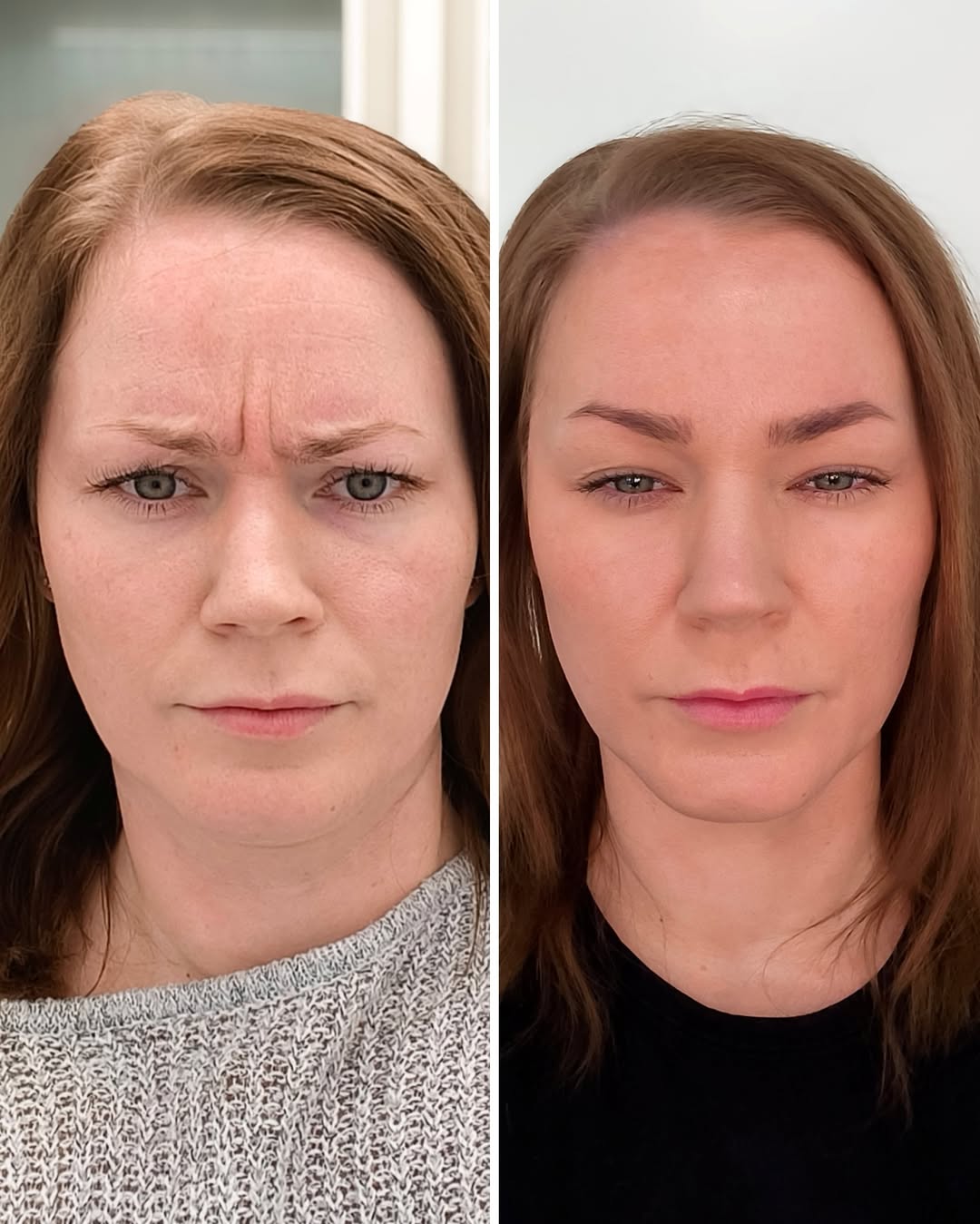
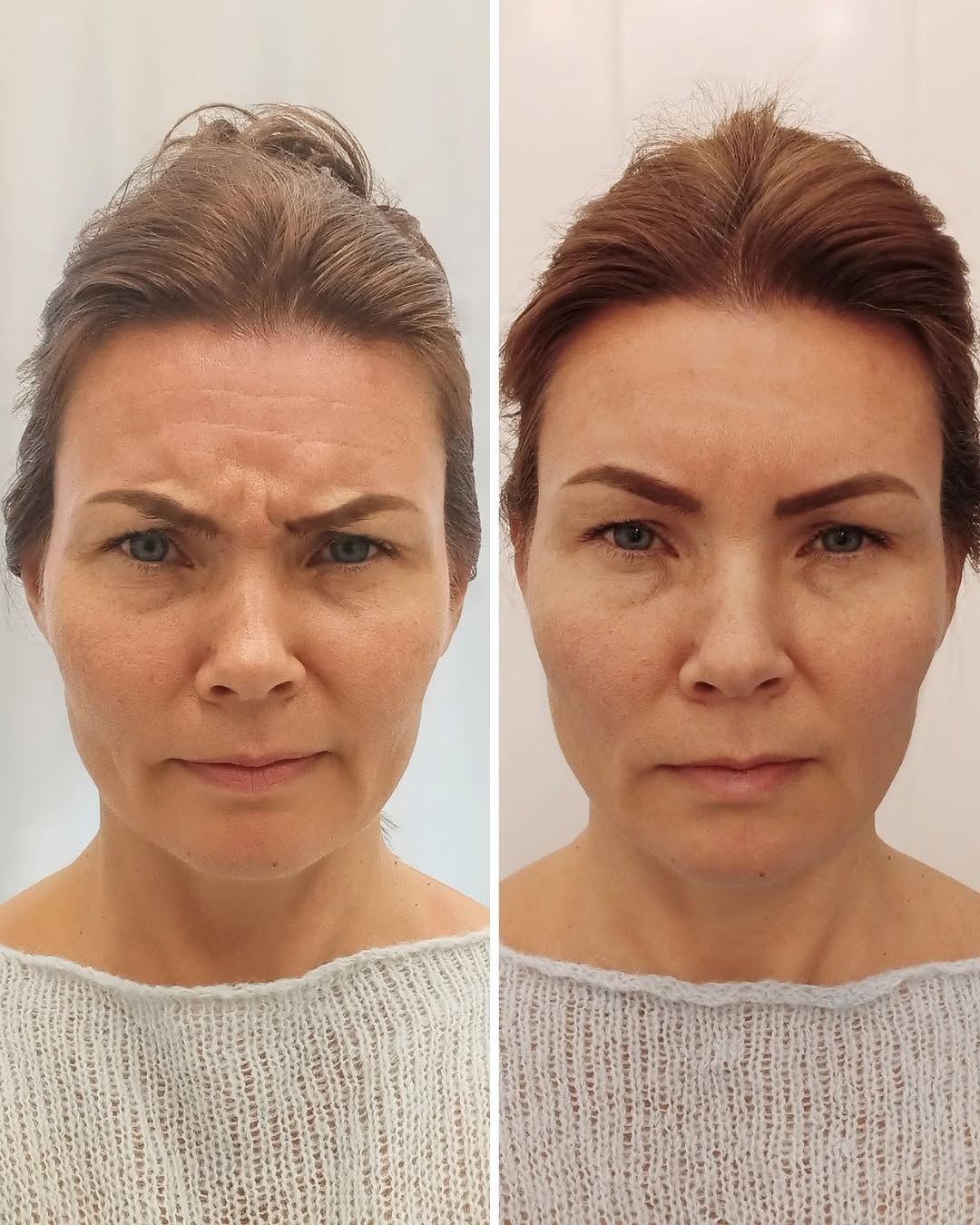
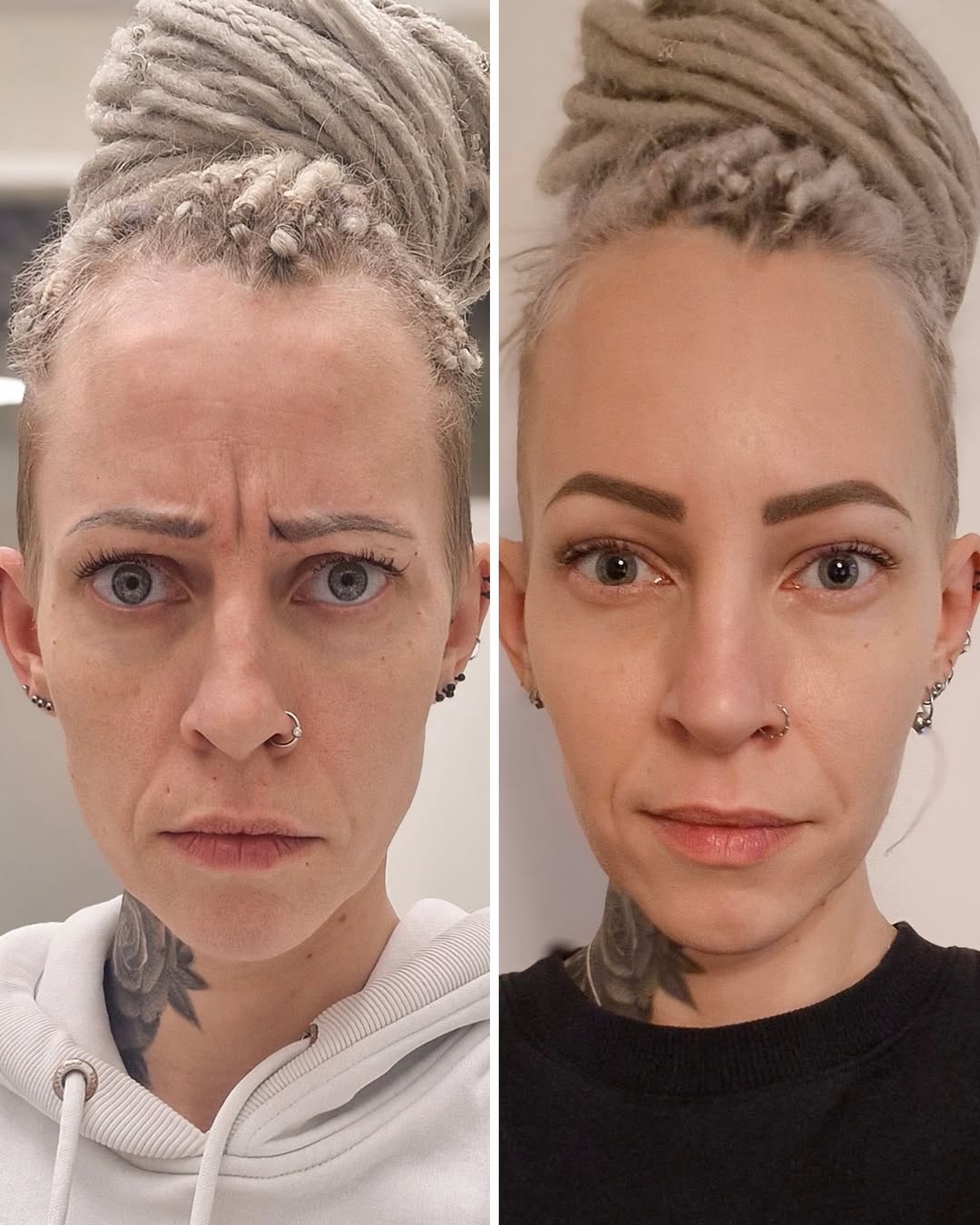
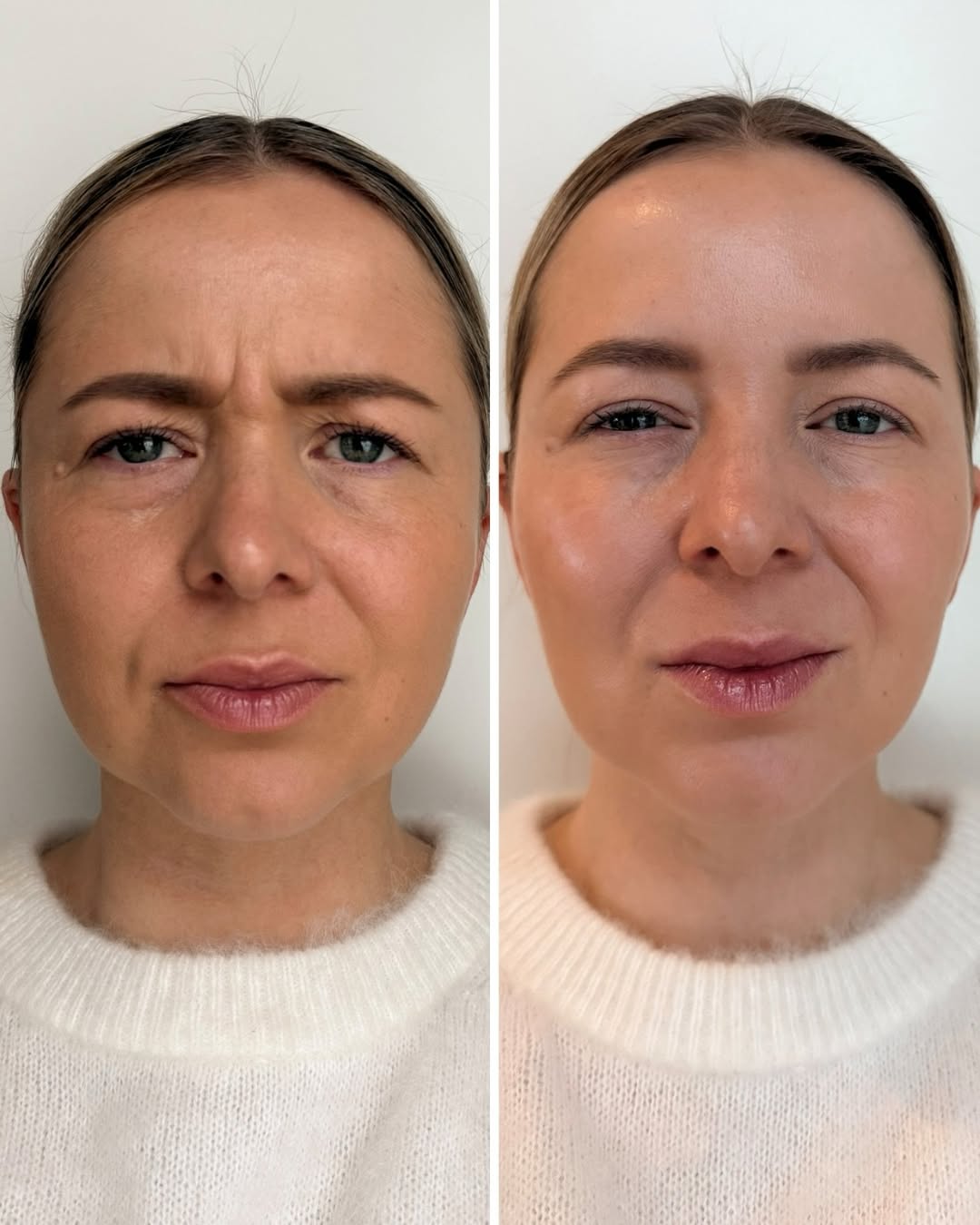
Botulinum toxin relaxes the treated muscle locally by blocking the nerve signal that triggers muscle contraction. This helps smooth out expression lines and can alleviate various muscle-related symptoms.
Most common aesthetic applications:
- frown lines
- the vertical distance between the corners
- fine lines around the eyes
- vertical lines on the neck
- Lip flip treatment
Most common medical applications:
- teeth grinding (bruxism)
- migraine
- excessive sweating
- muscle stiffness and muscle tension
- bladder dysfunction
The effects usually begin within a few days of treatment and typically last for several months. Treatment is always administered by a healthcare professional, who determines the dosage on an individual basis.
The history of botulinum toxin dates back more than 200 years. Its breakthrough in modern medical use occurred in the 1970s and 1980s, when botulinum toxin began to be used to treat eye muscle disorders. Since then, it has become one of the world’s most well-known treatments in aesthetic medicine and neurology.
If you’d like to learn more about Botox treatments, you can find a comprehensive guide here: