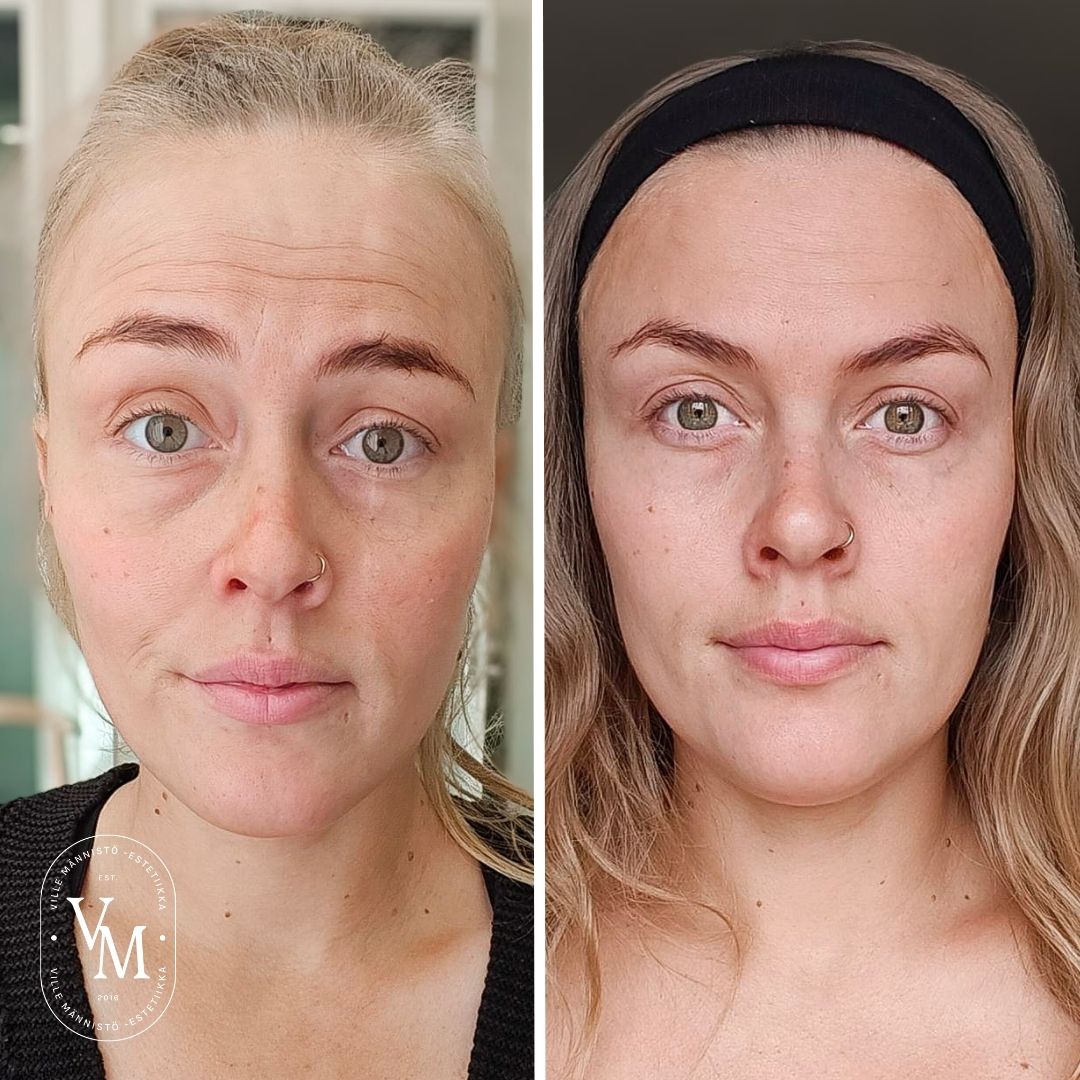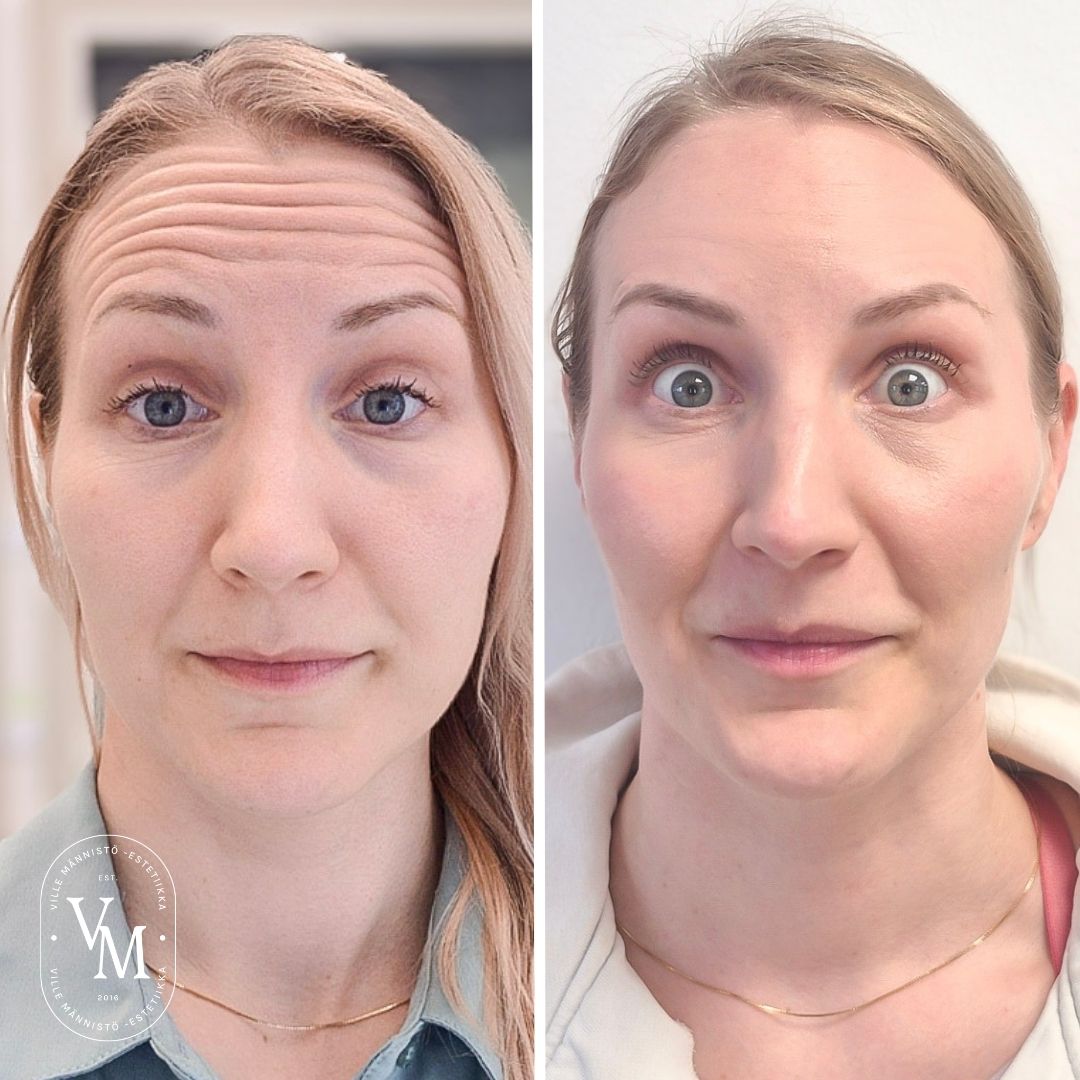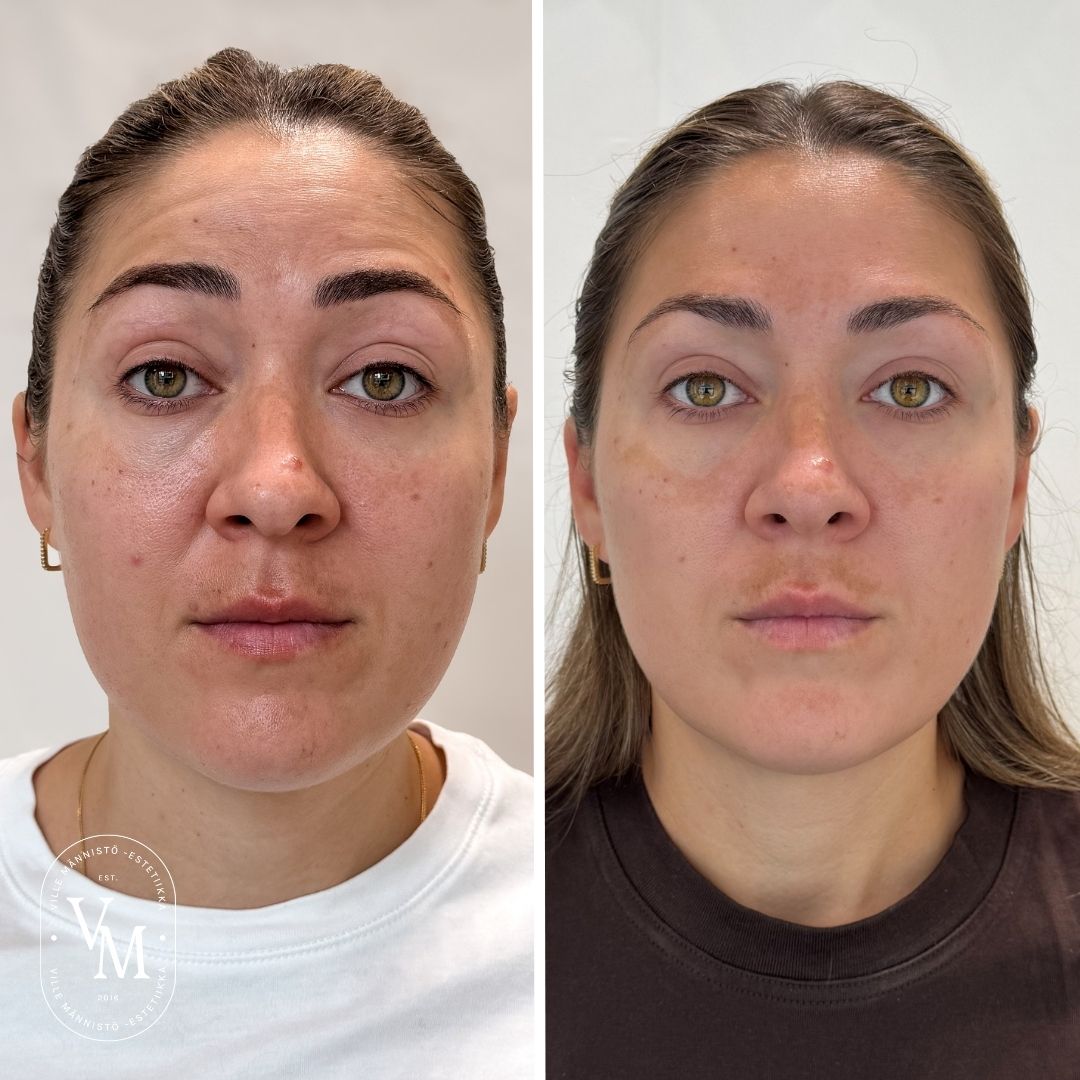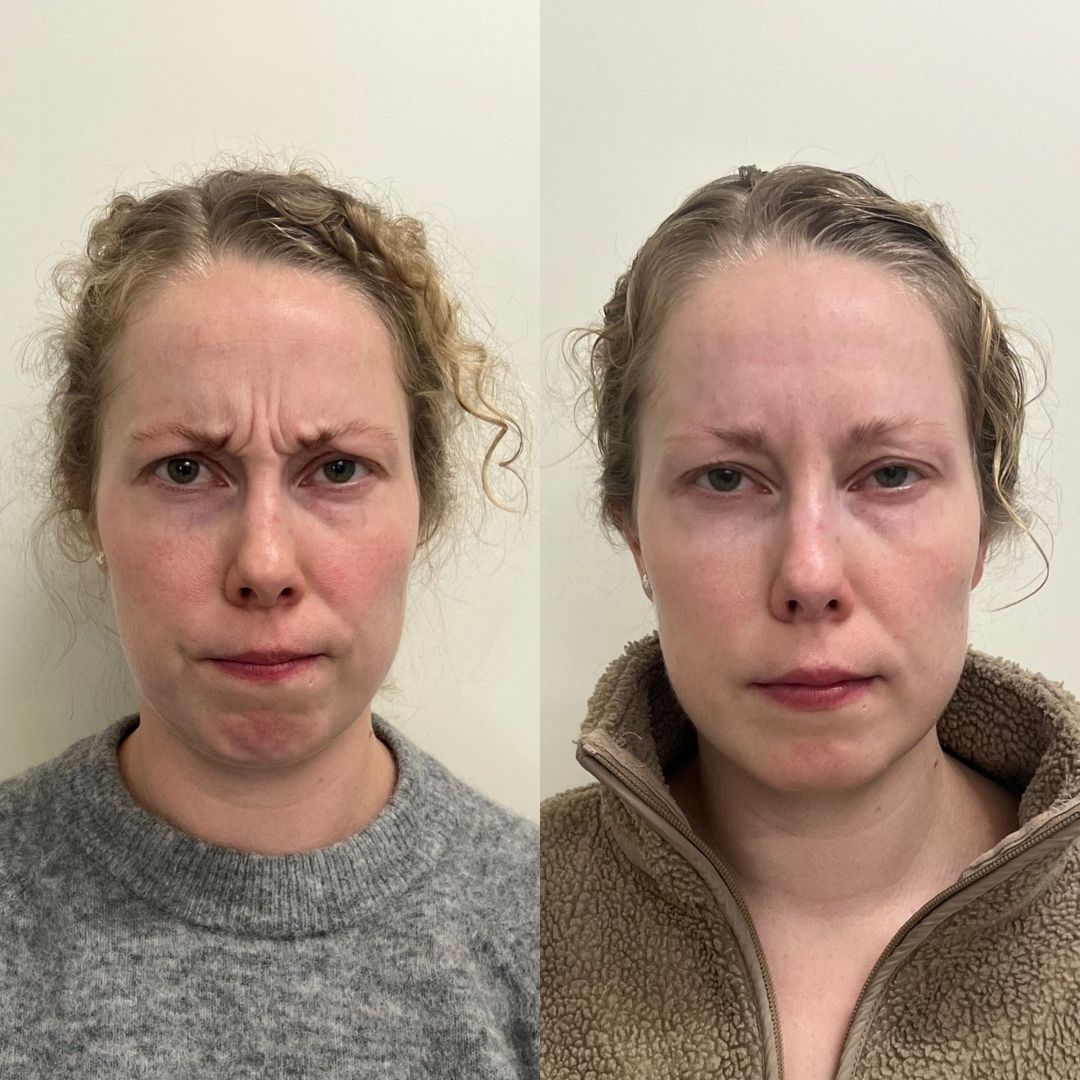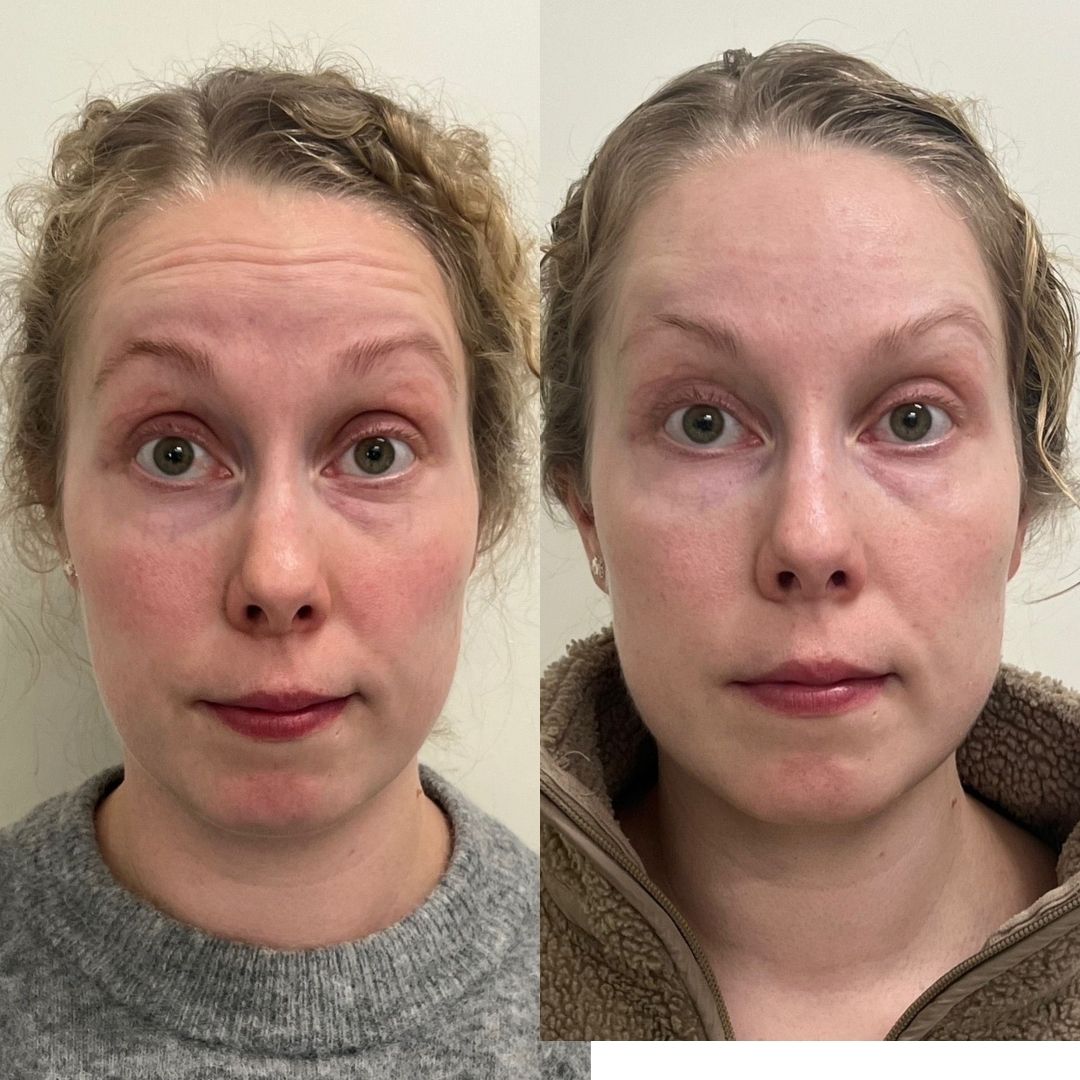
Forehead Wrinkles: What Really Works?
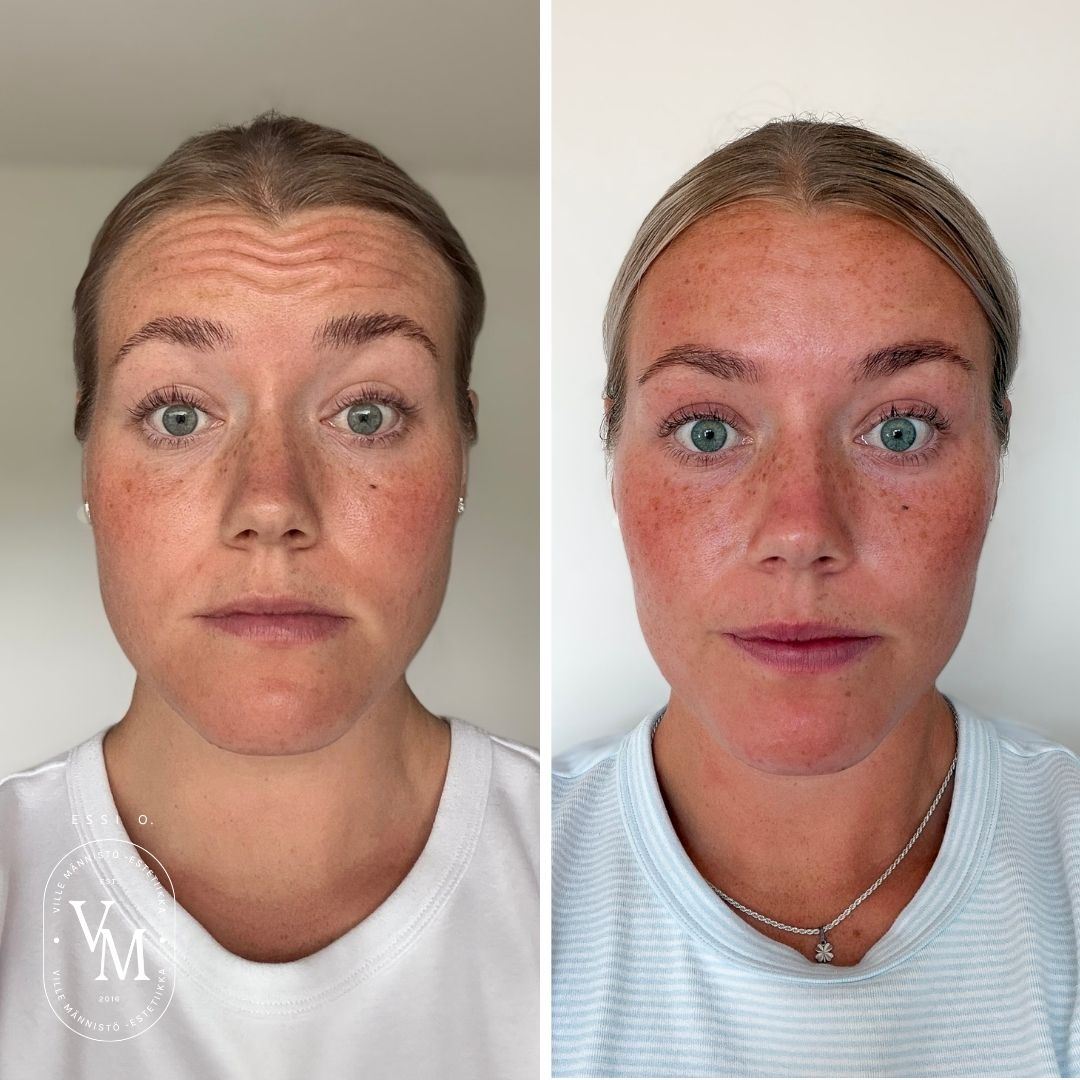
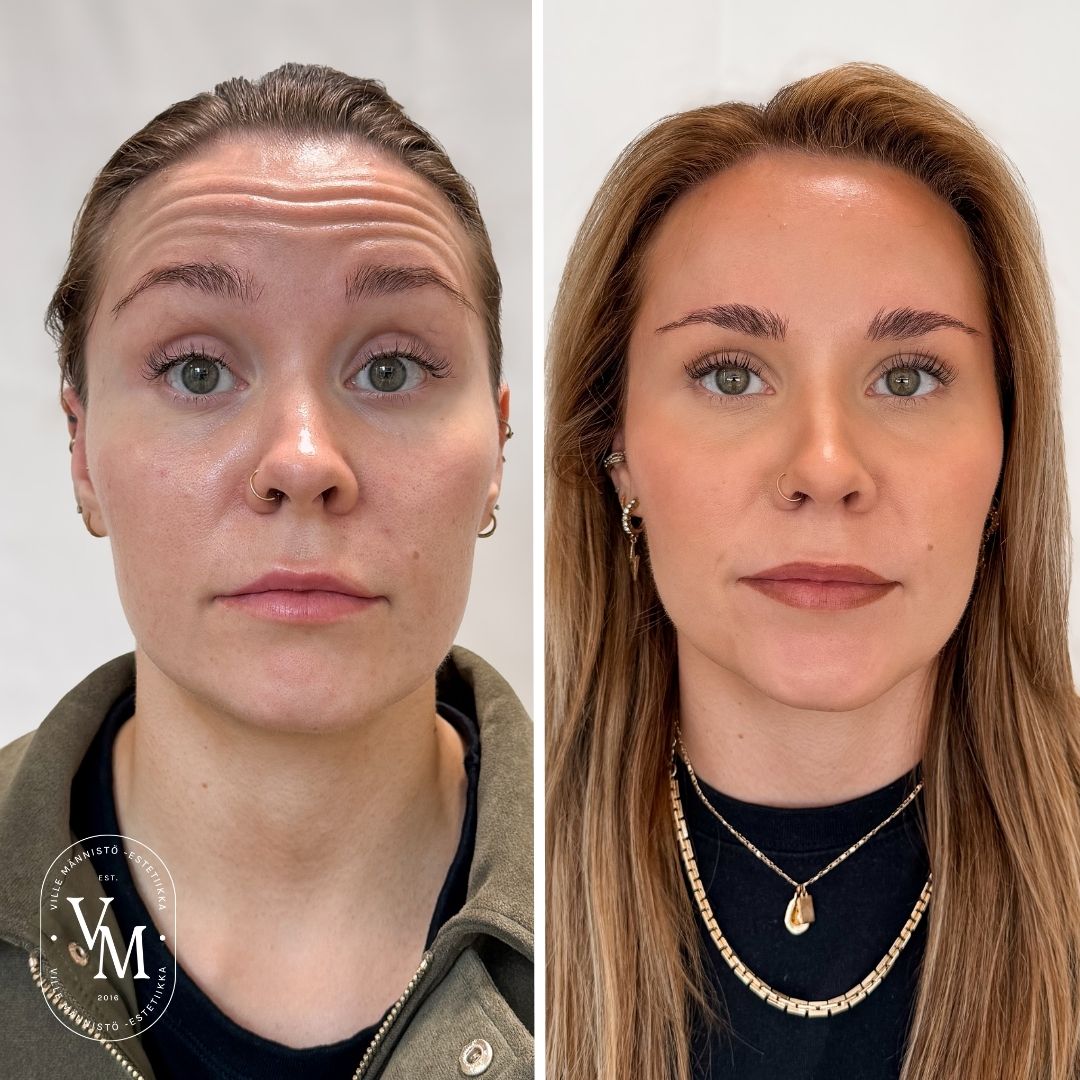
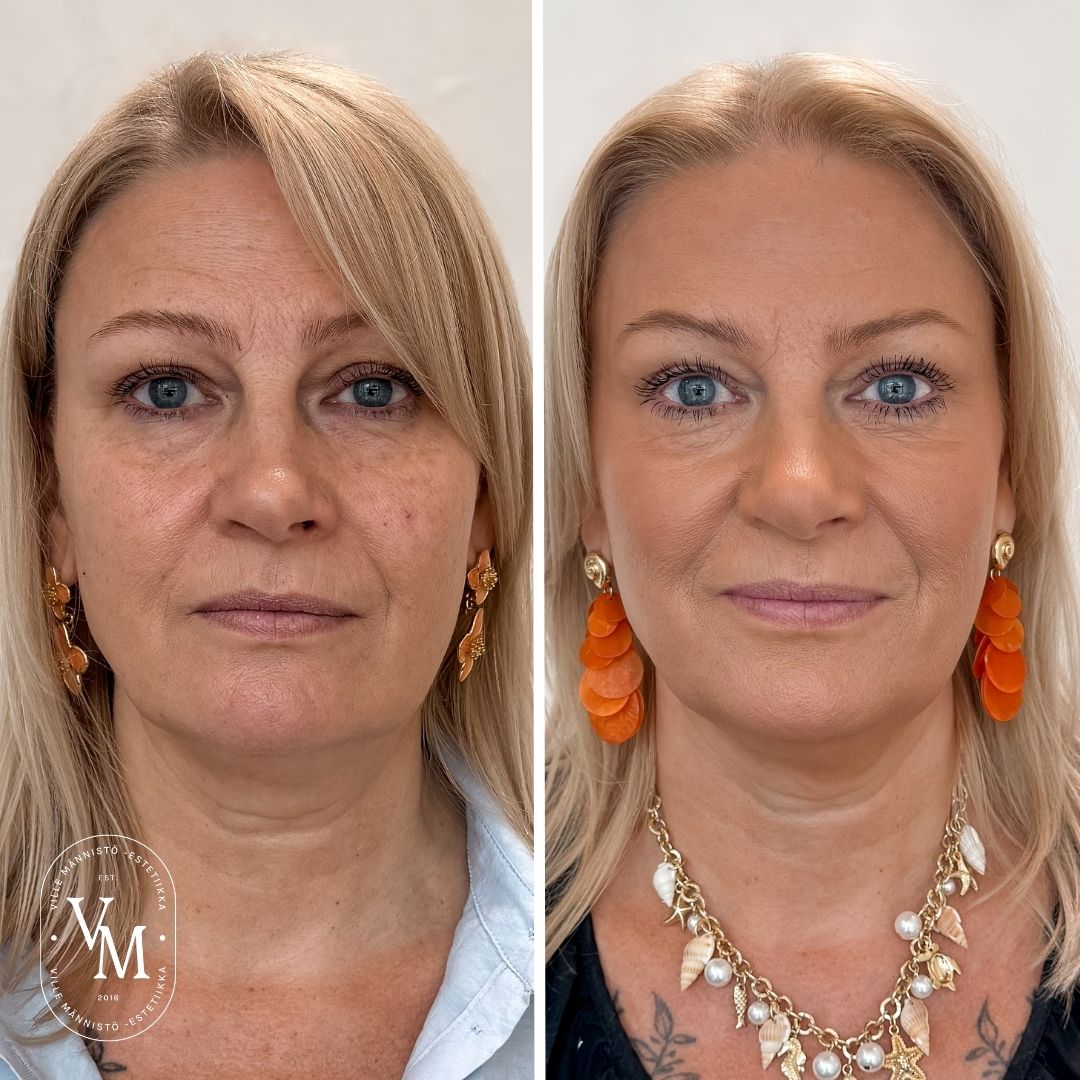
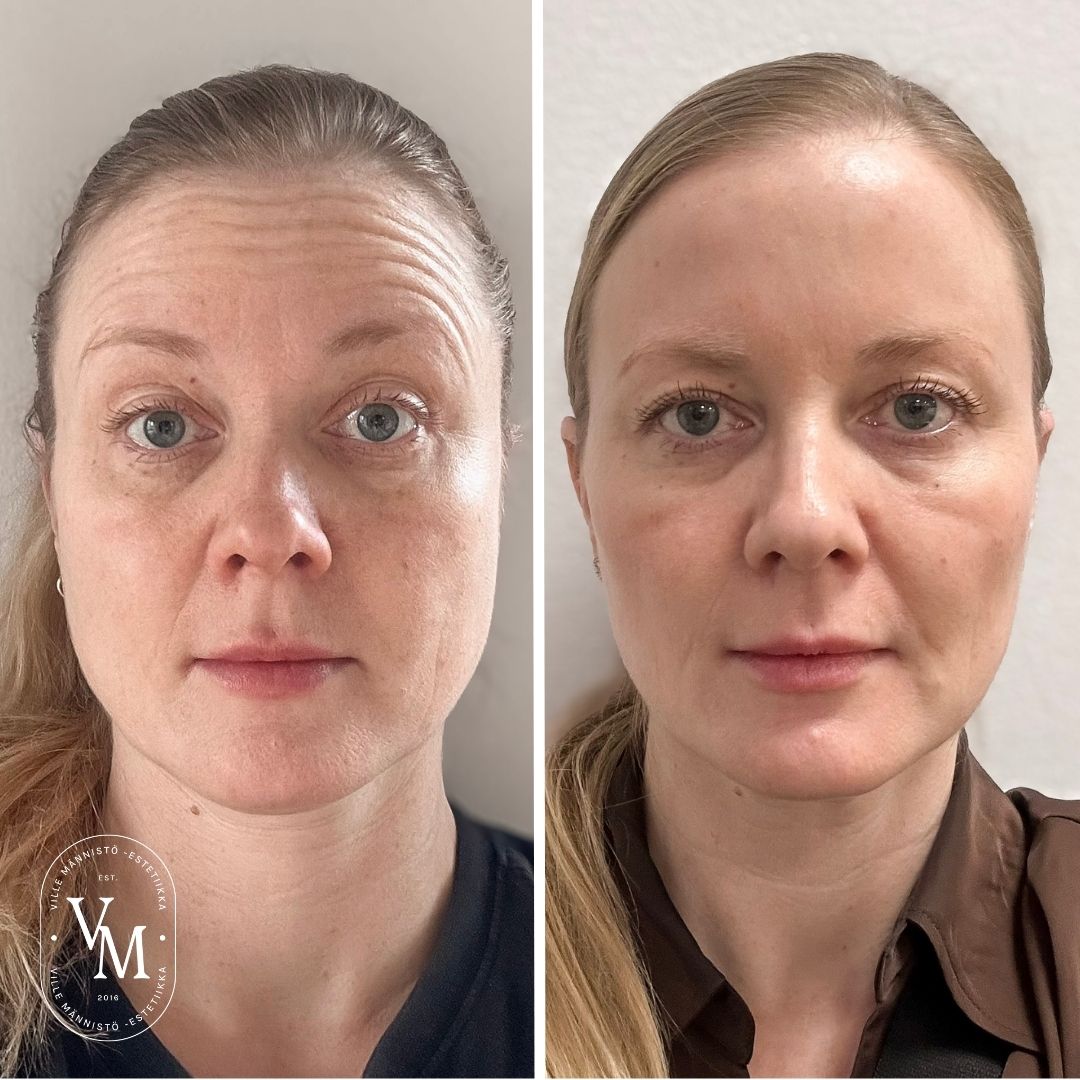
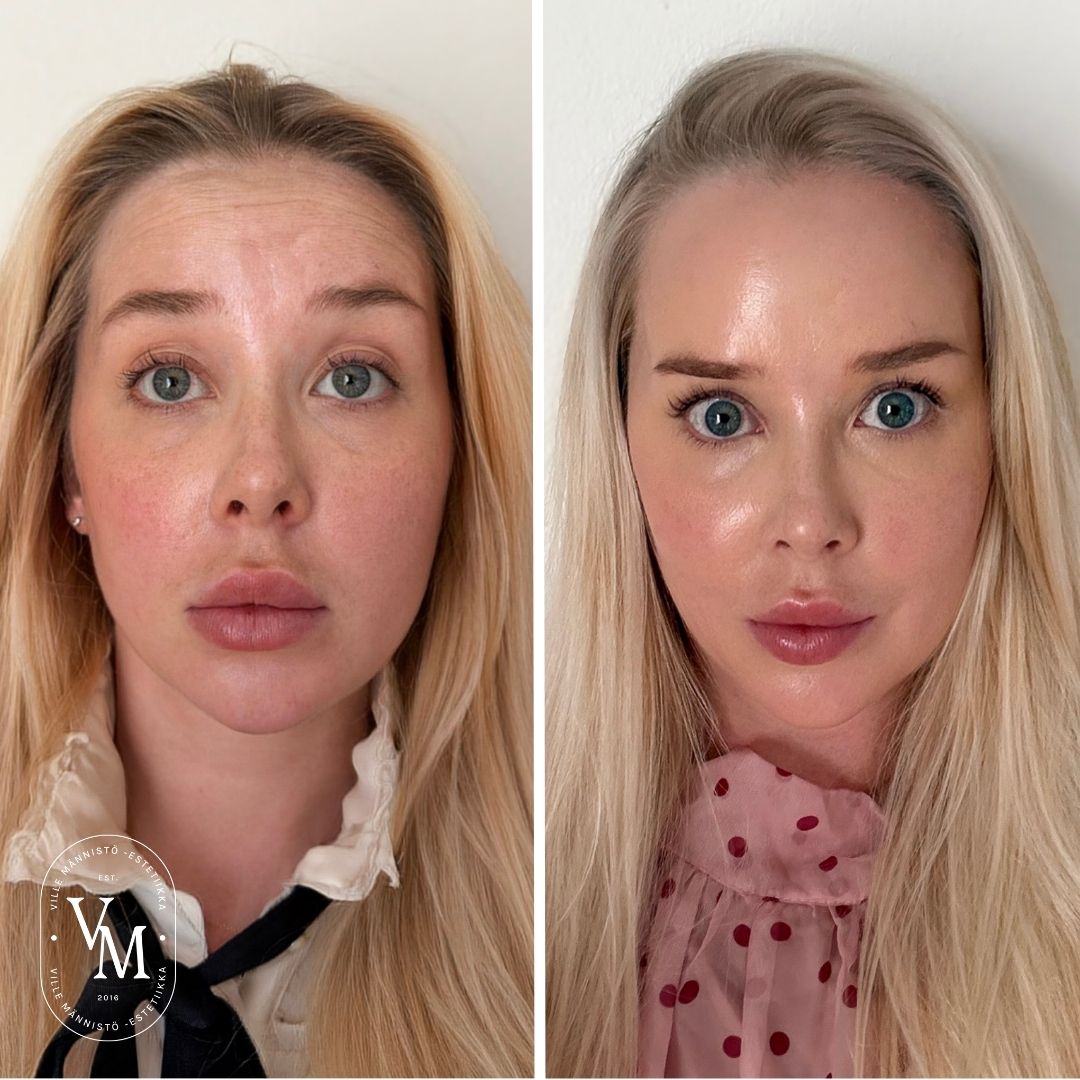
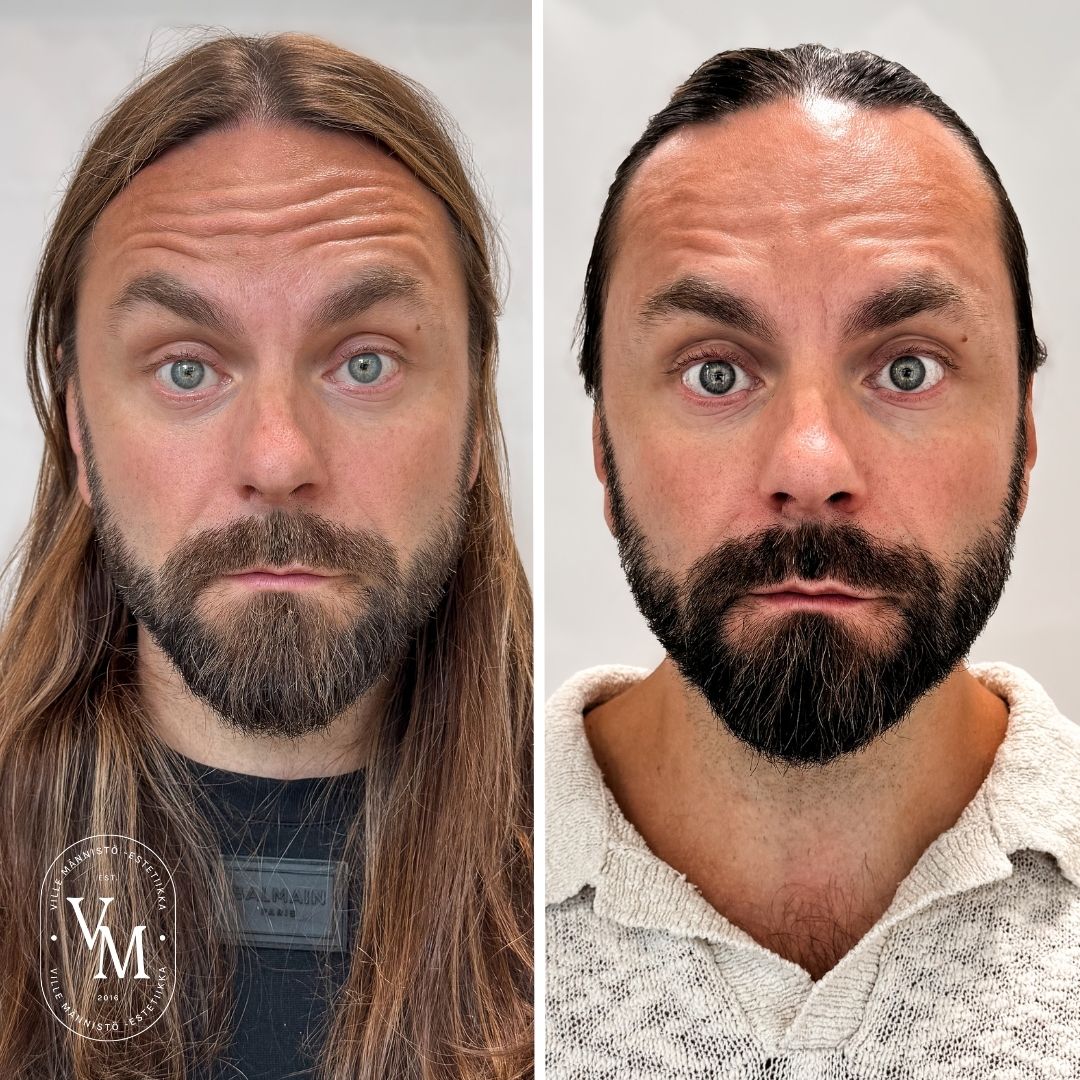
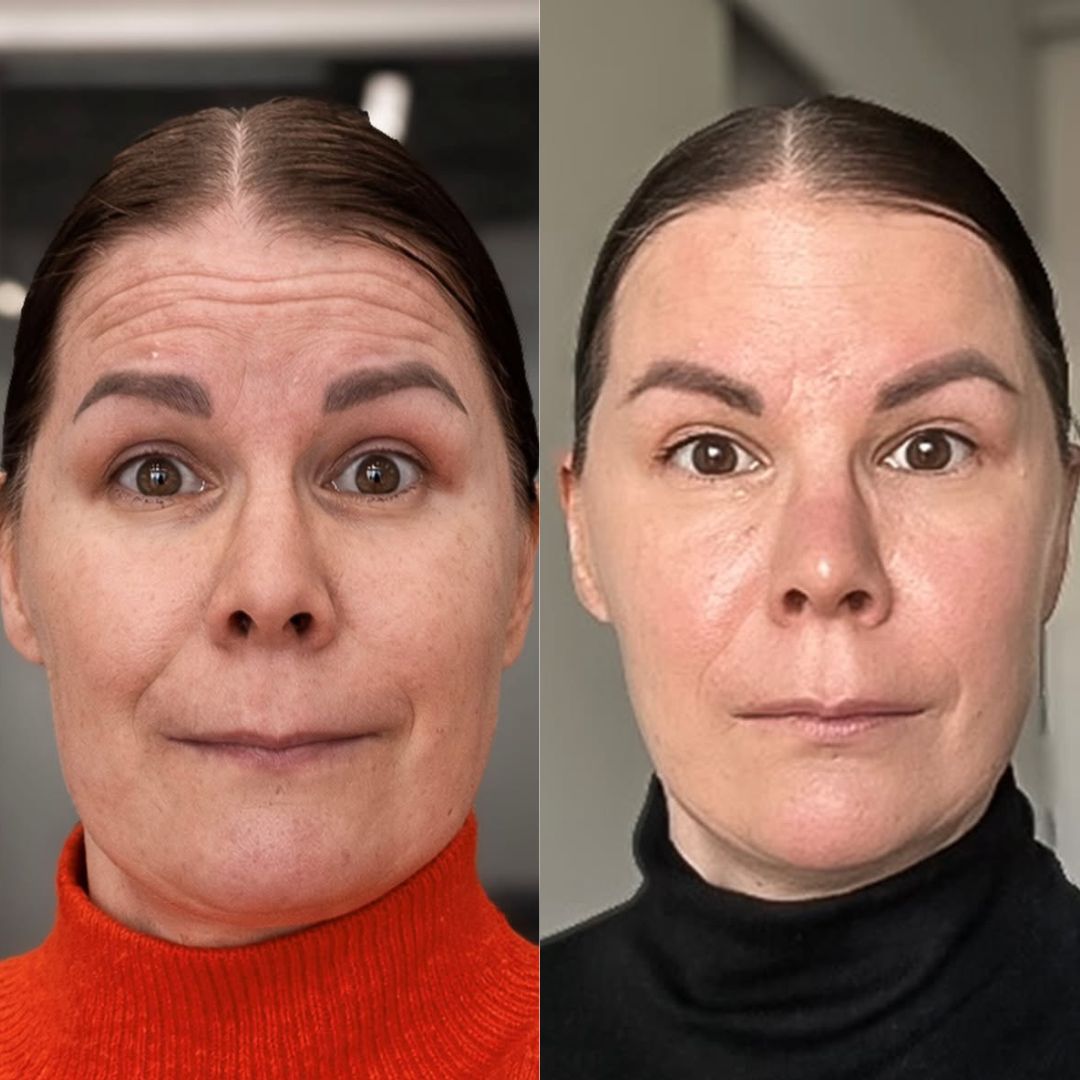
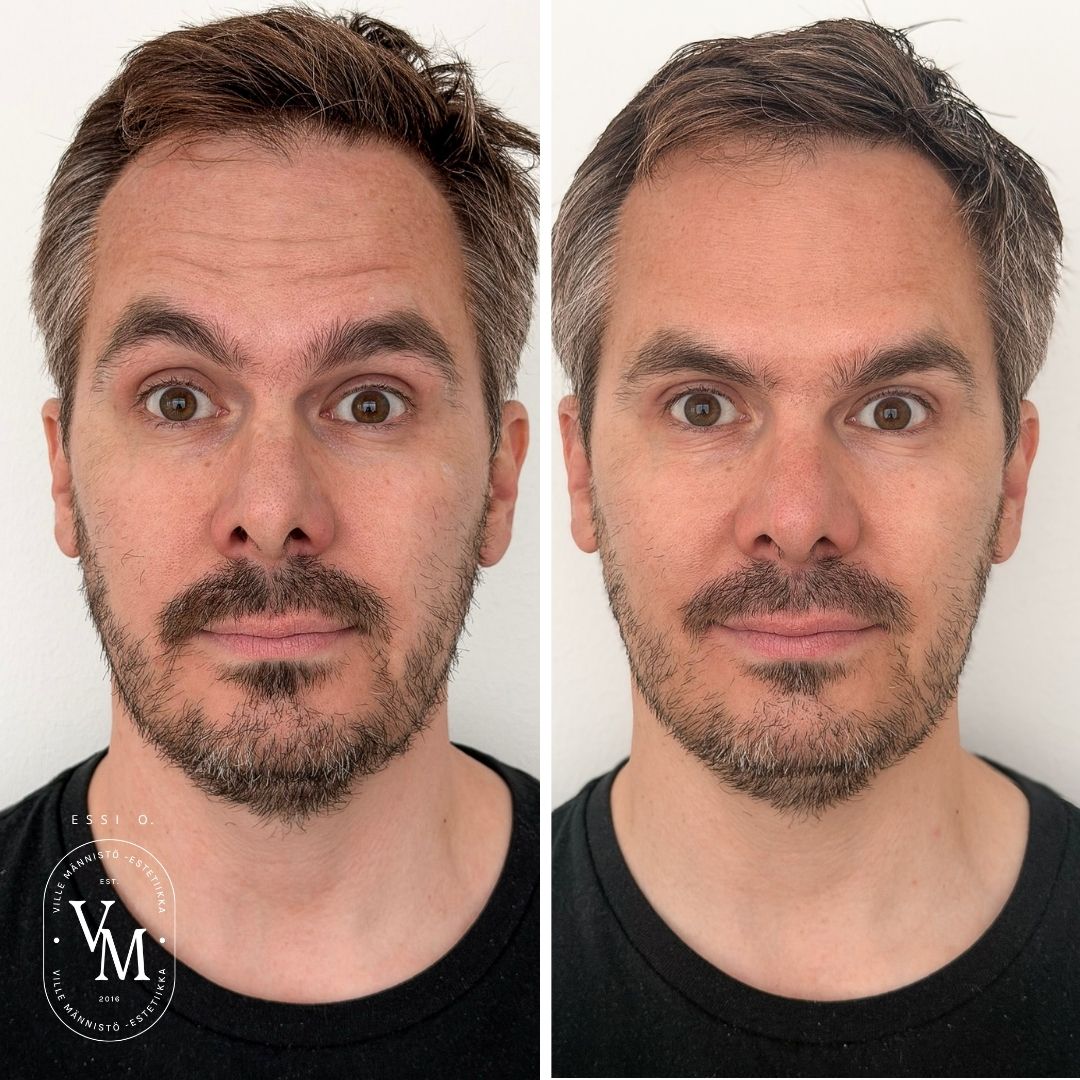
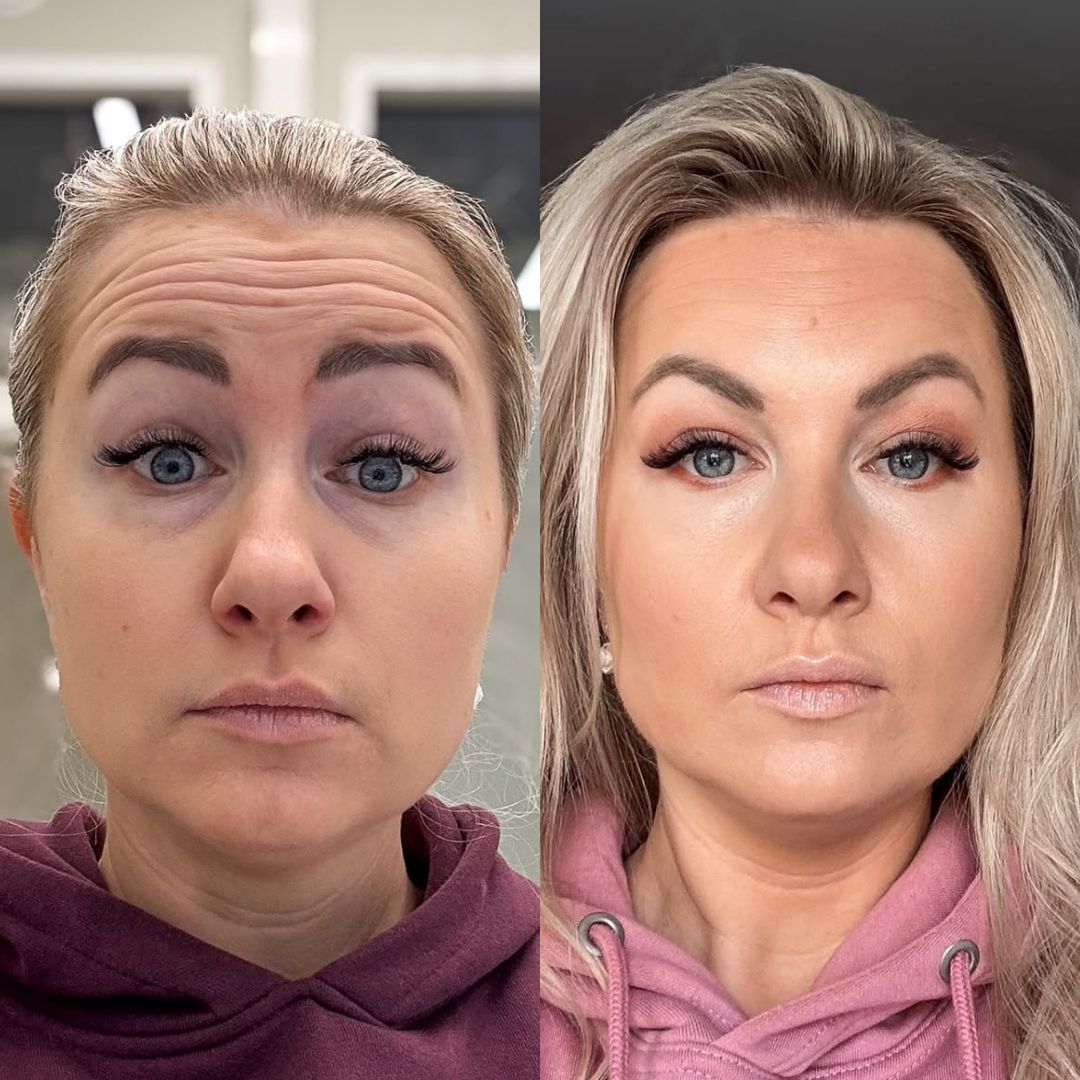
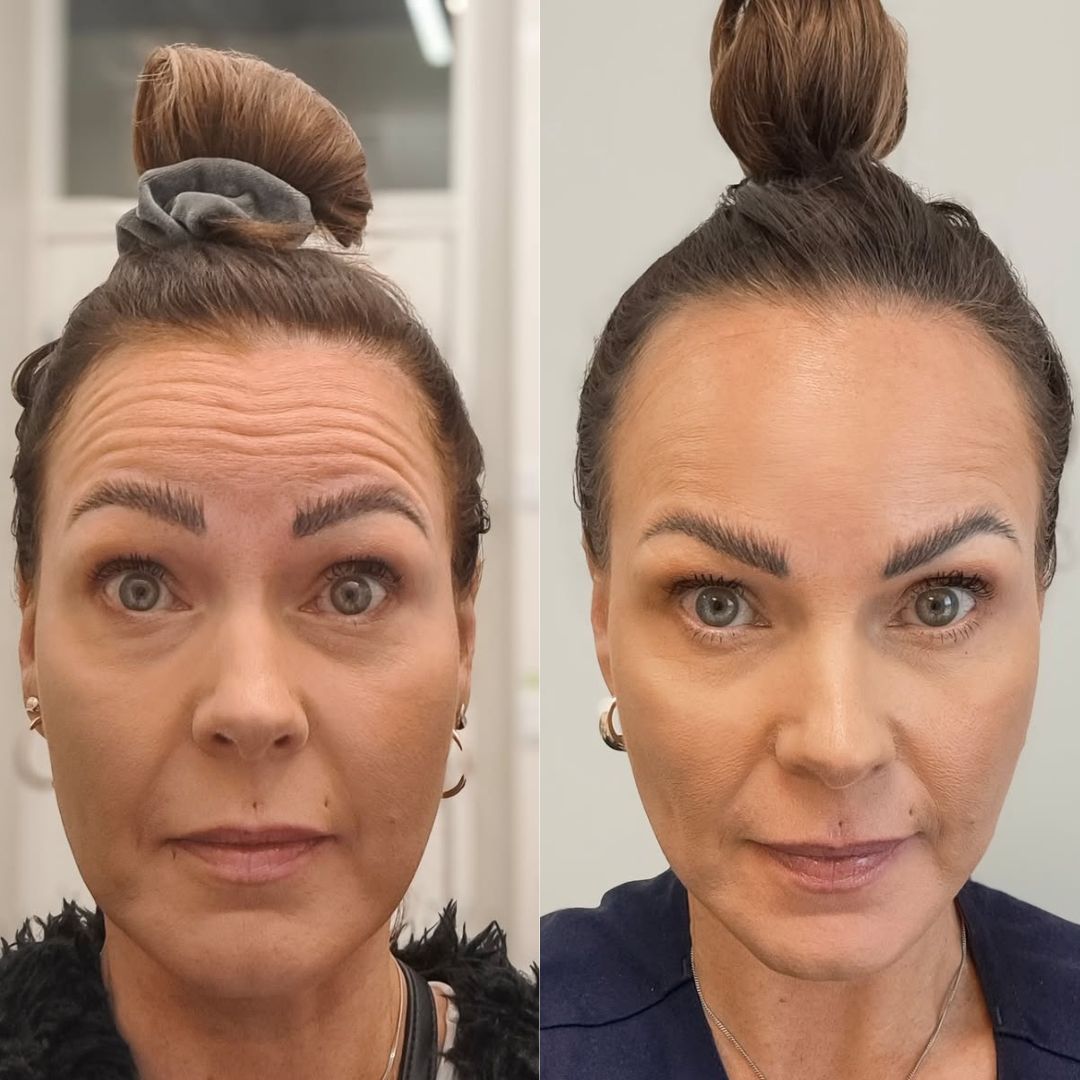
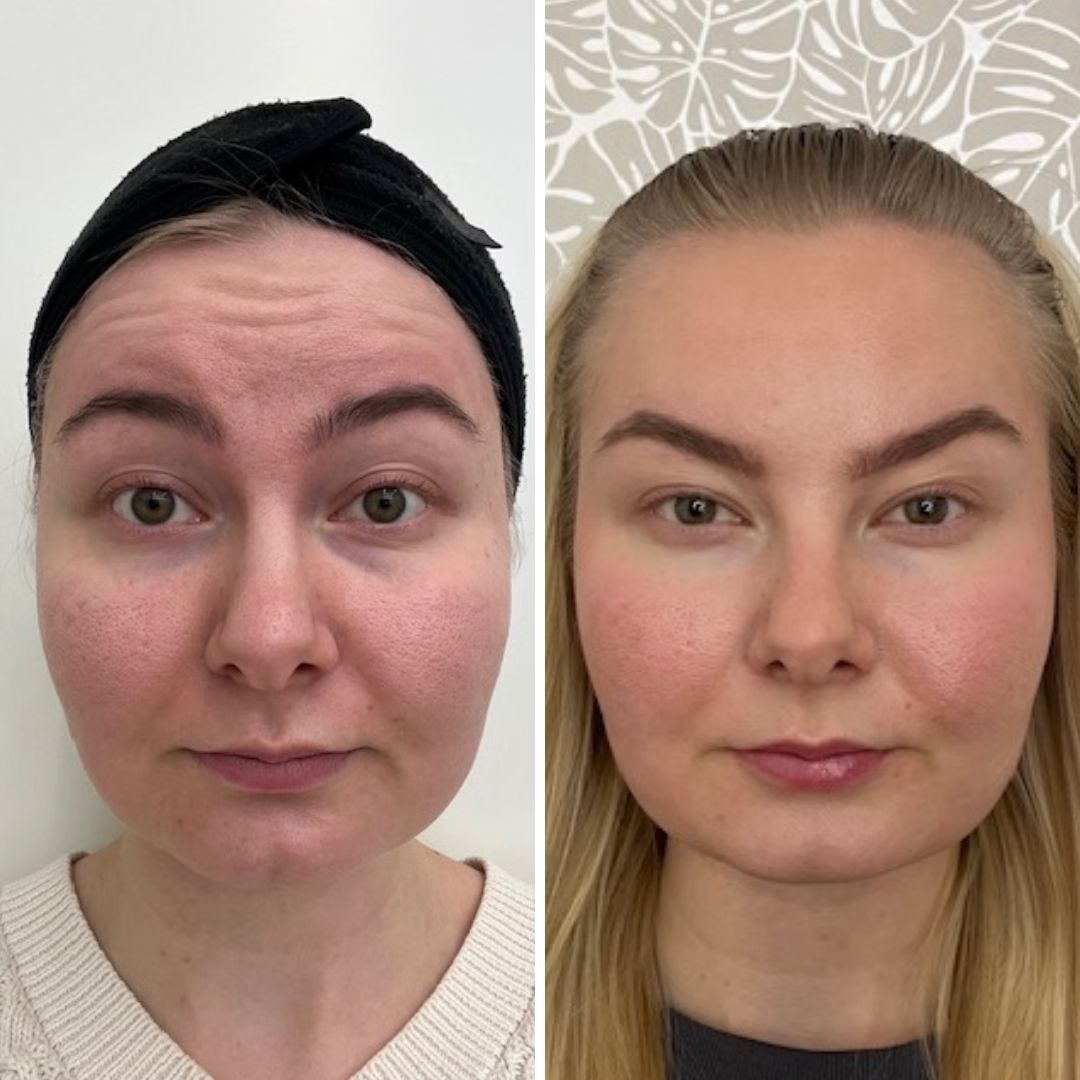
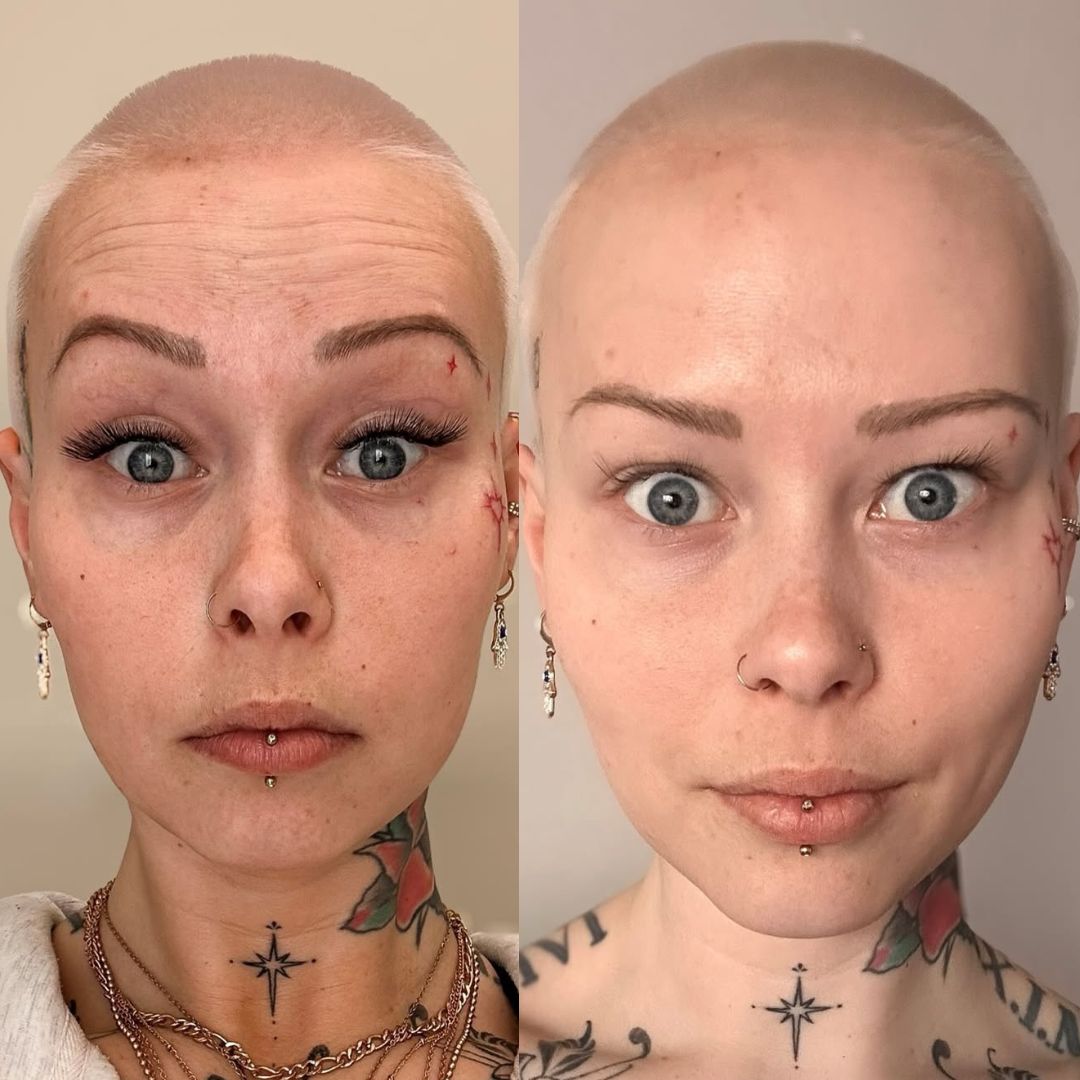
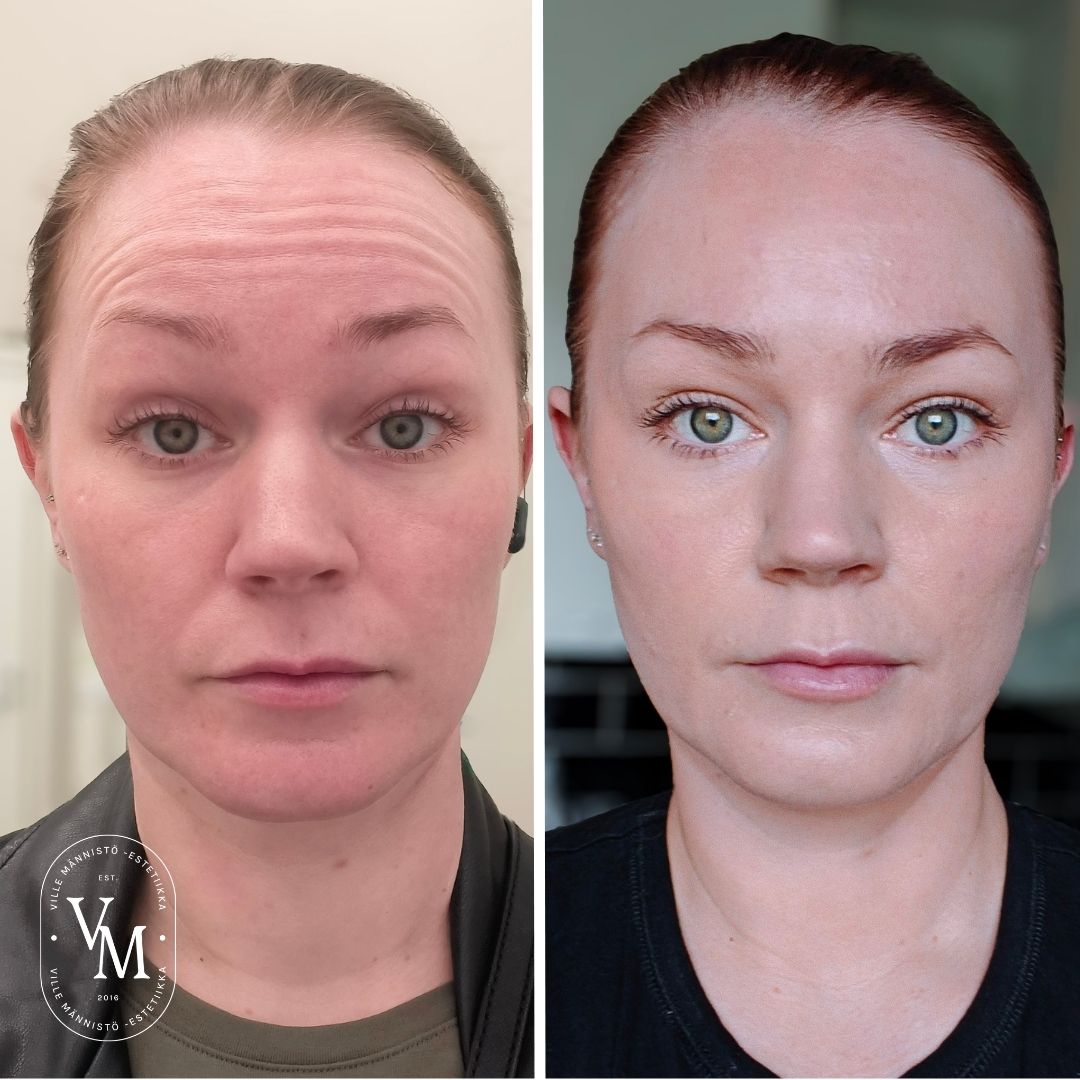
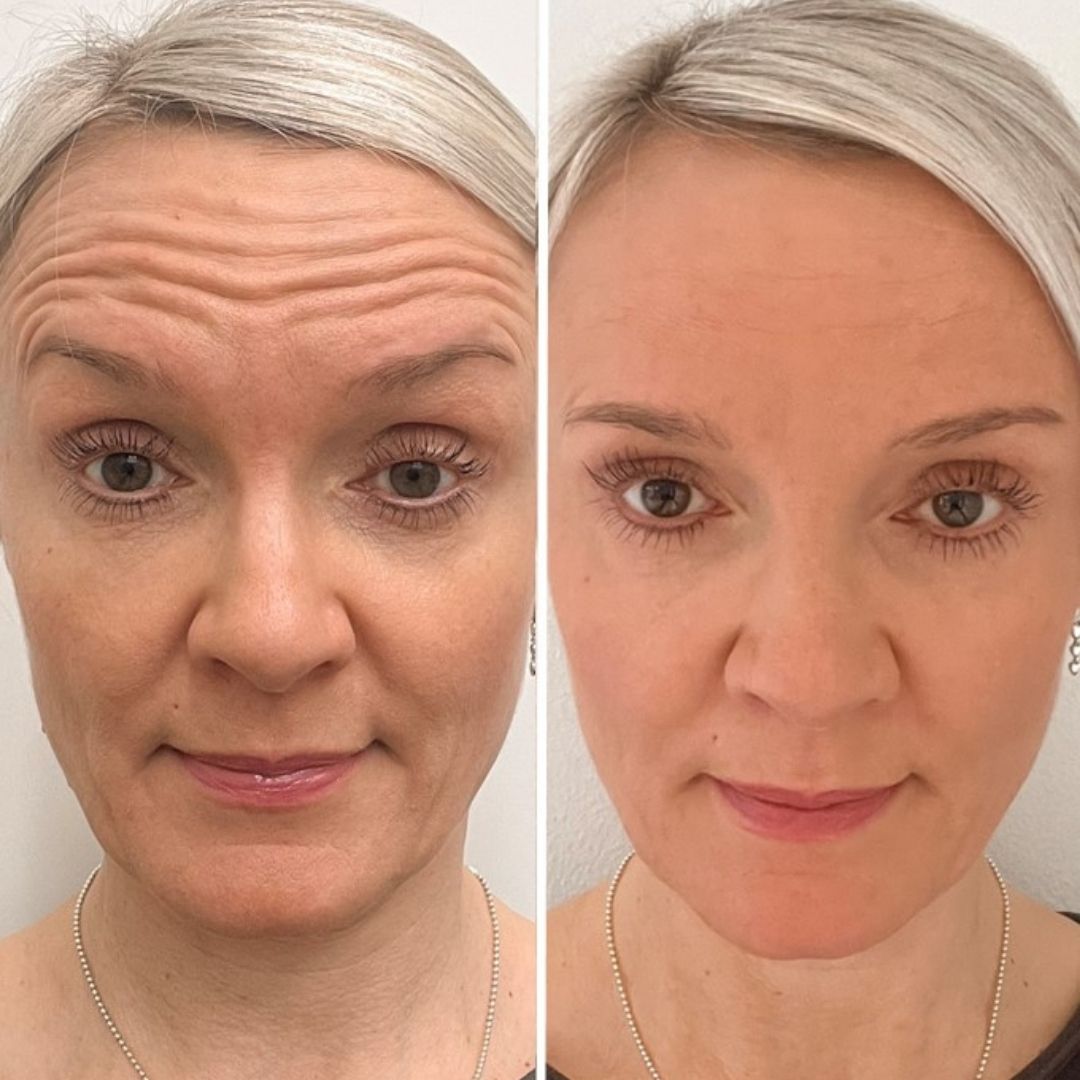
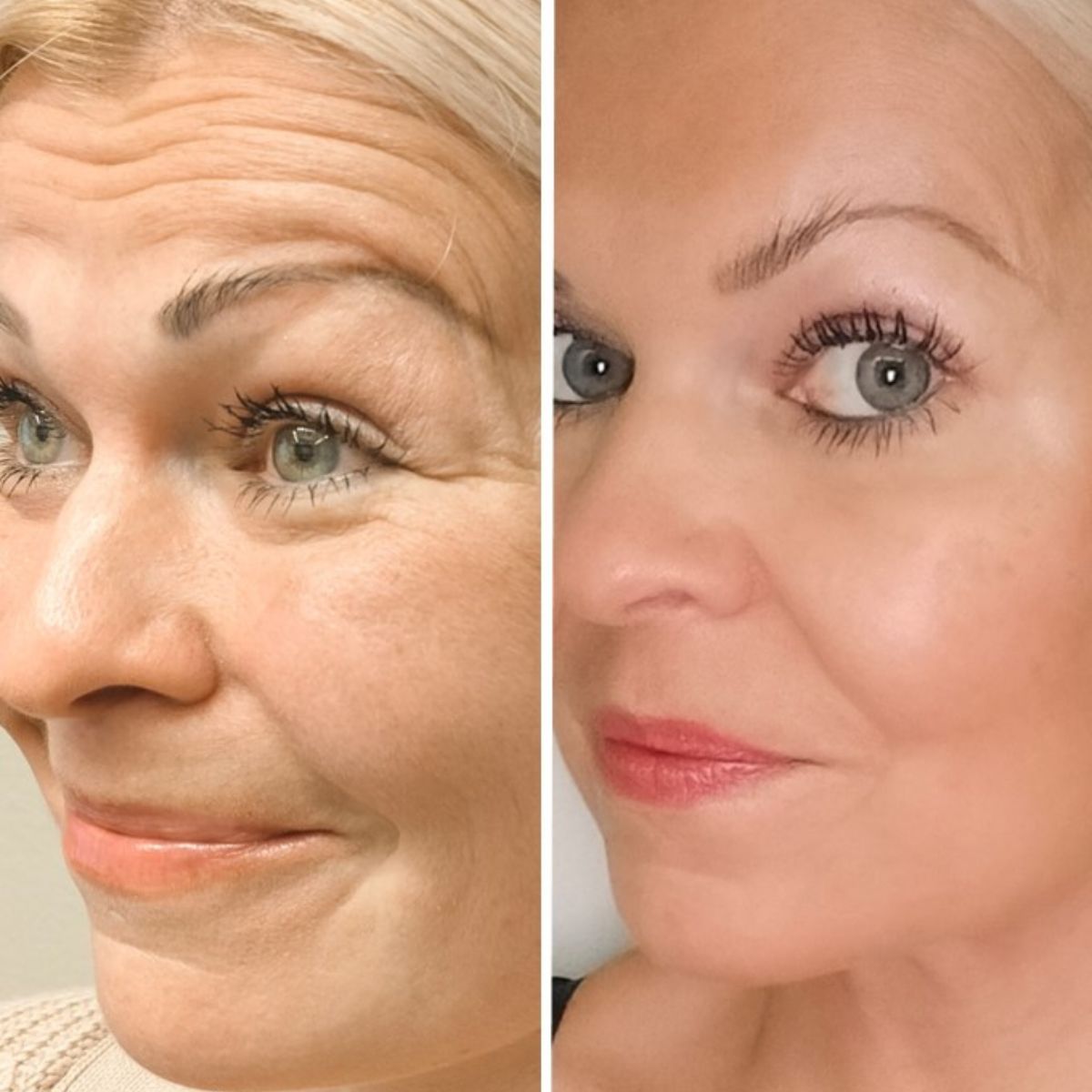
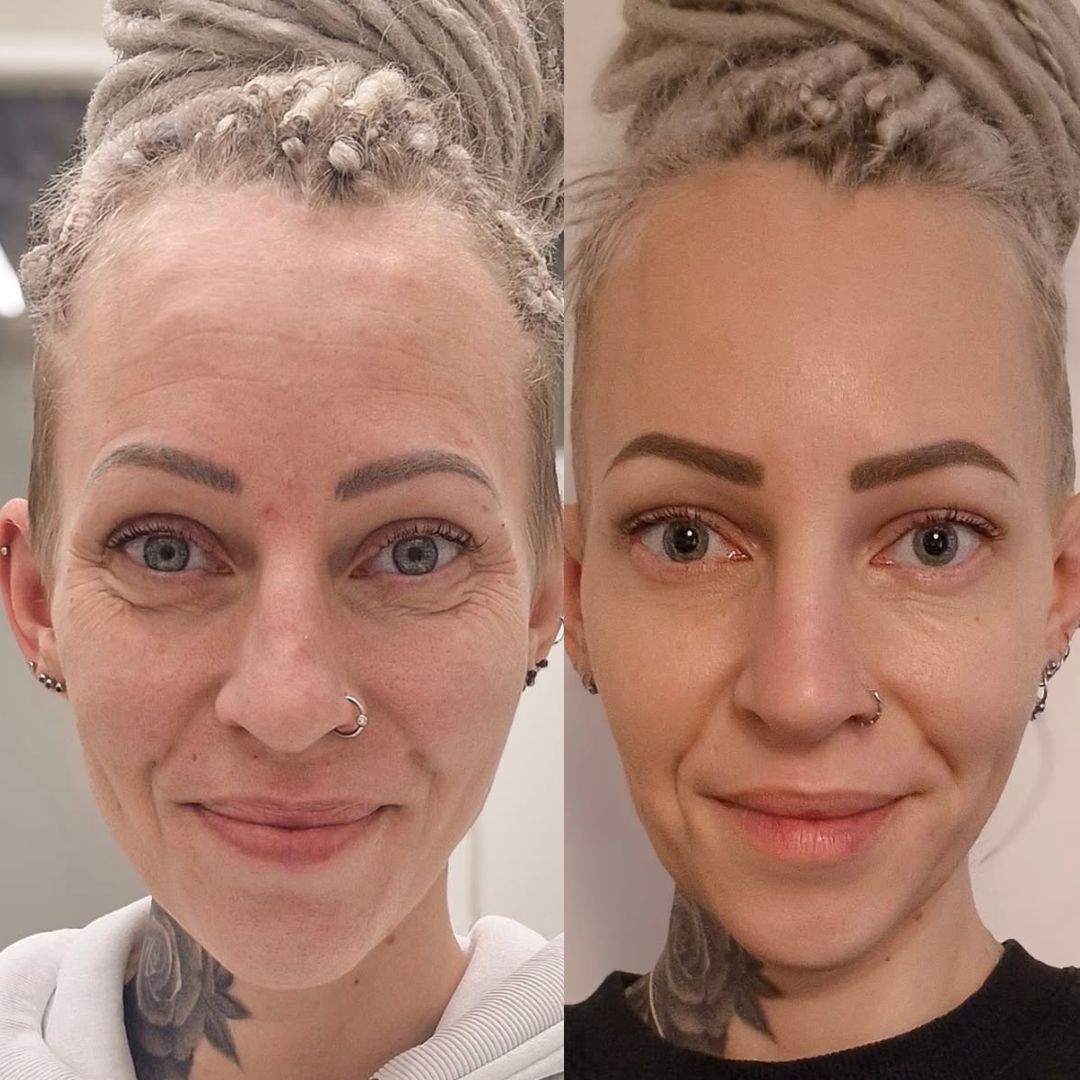
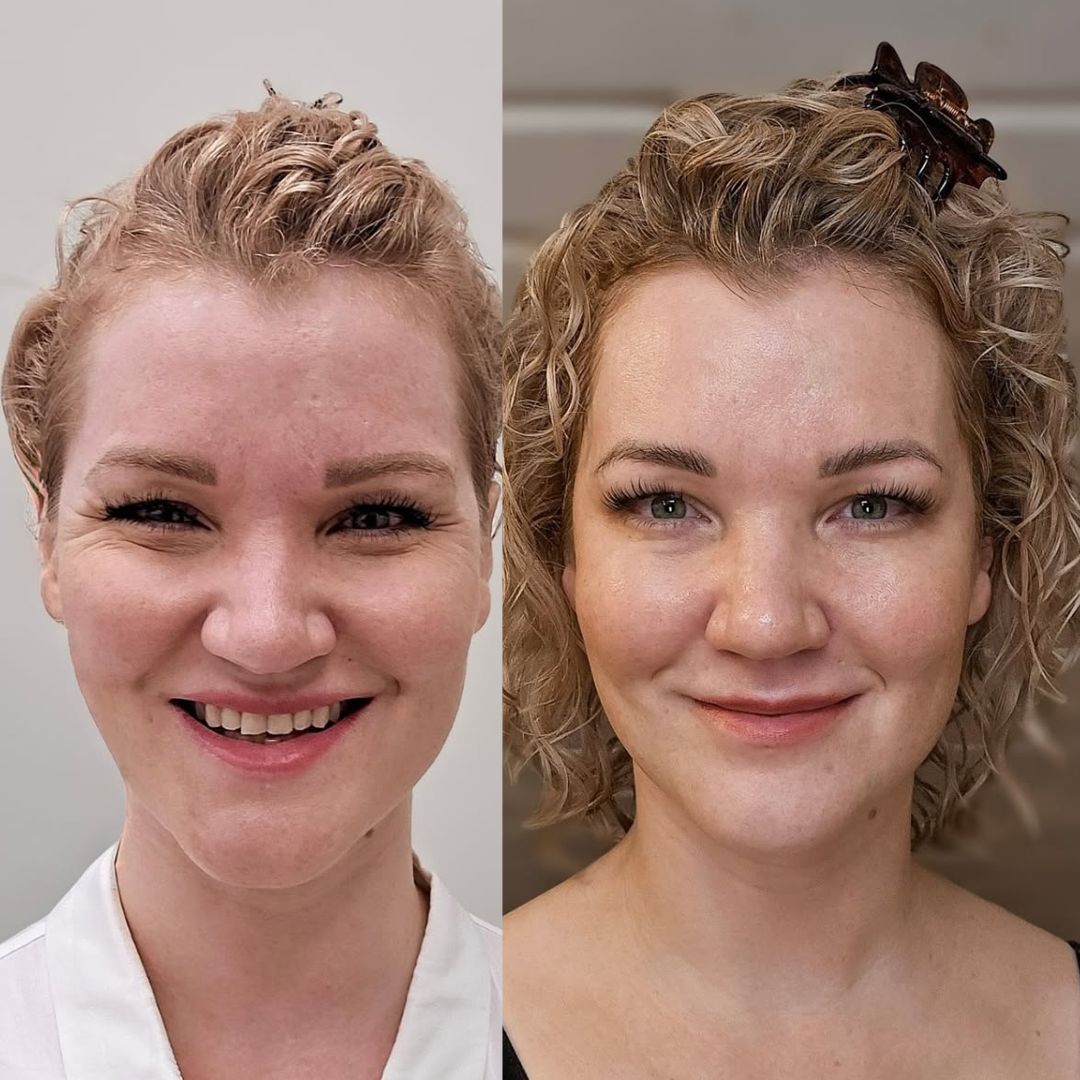
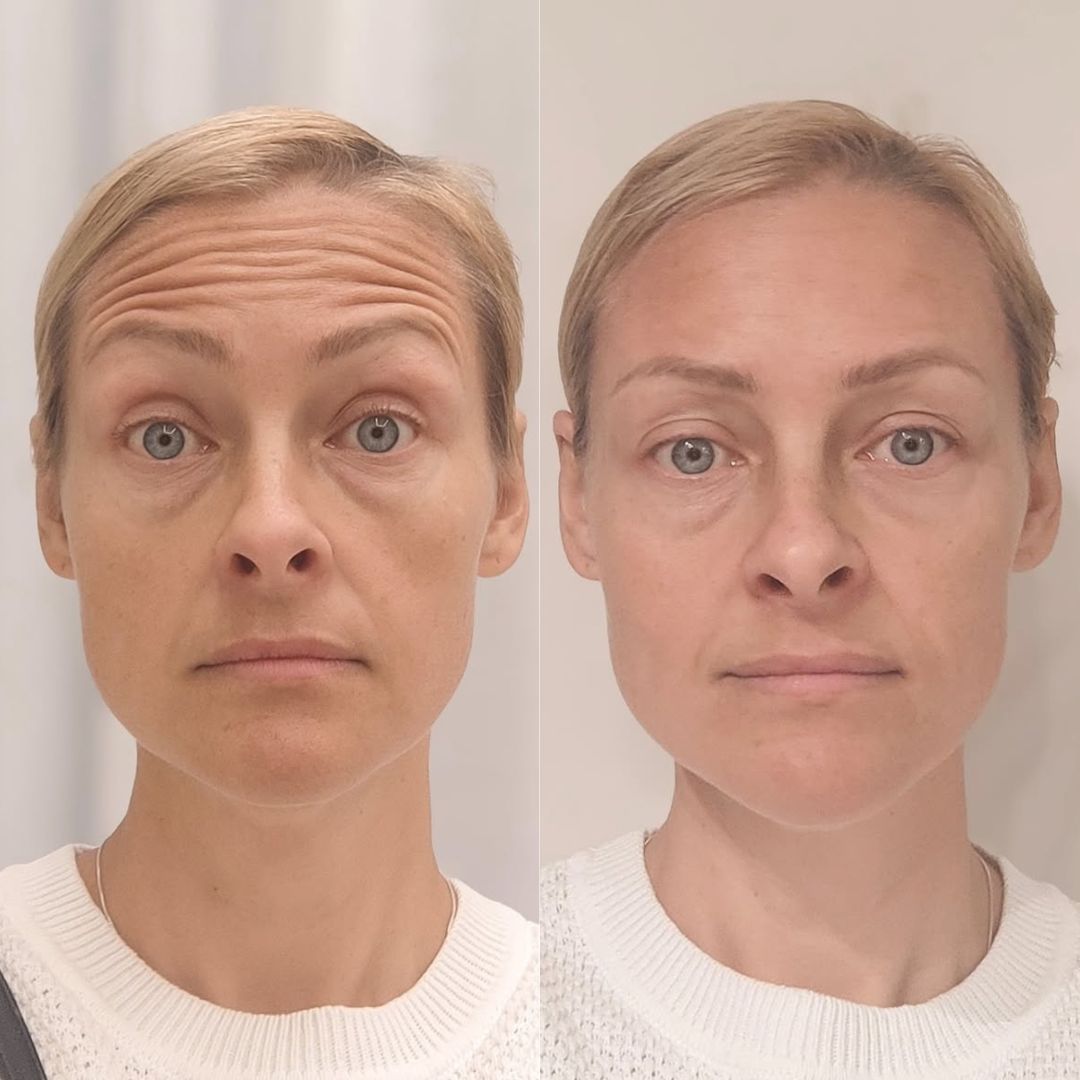
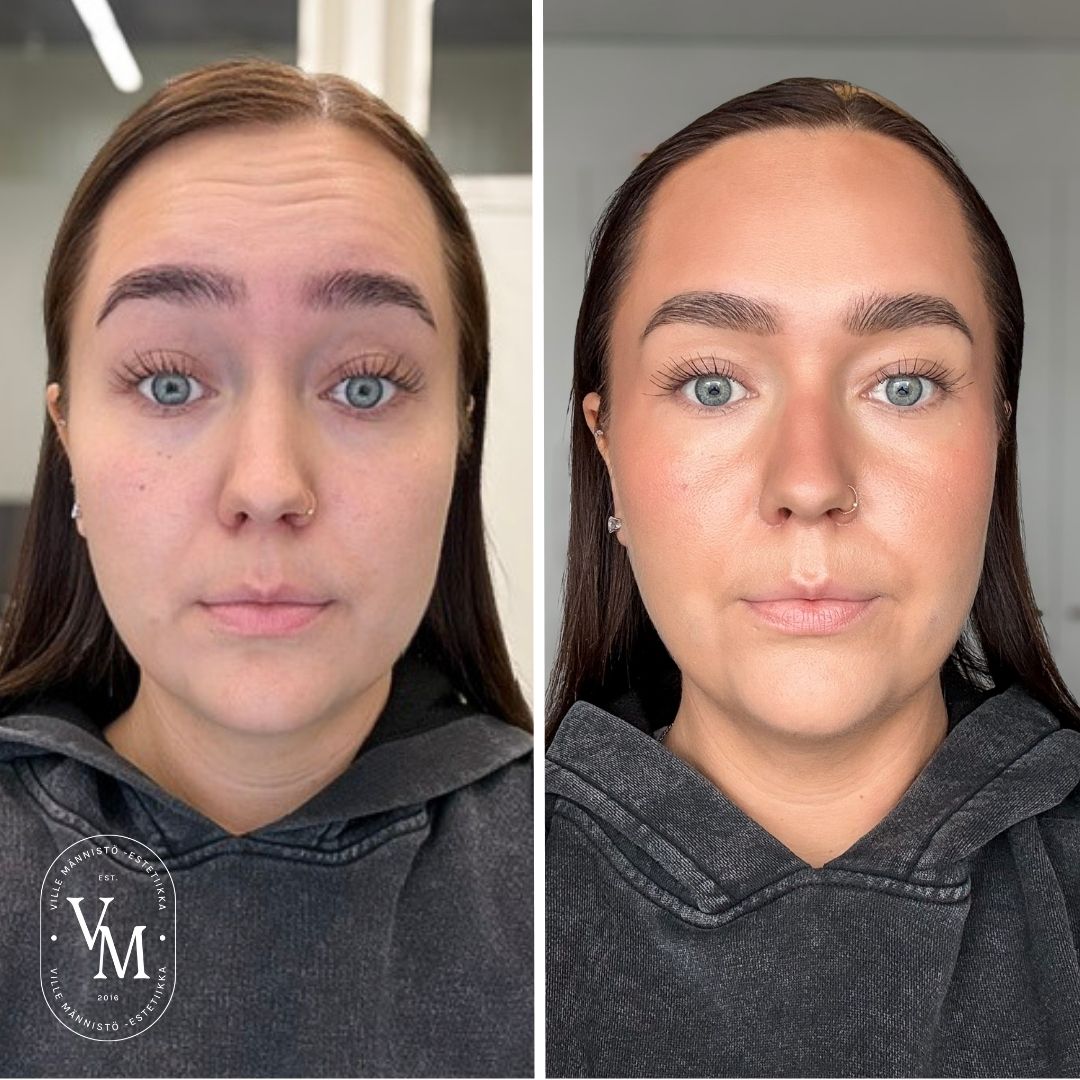
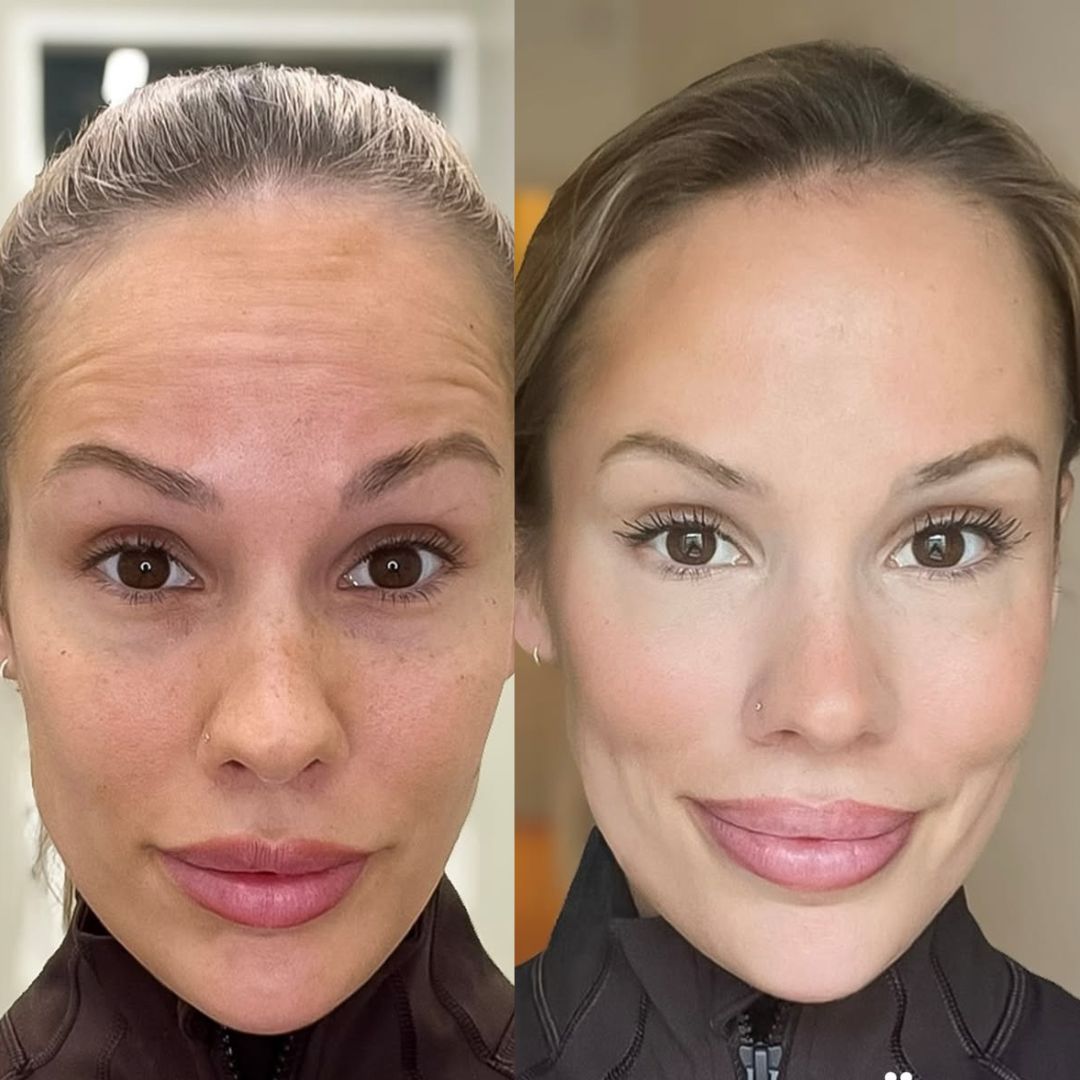
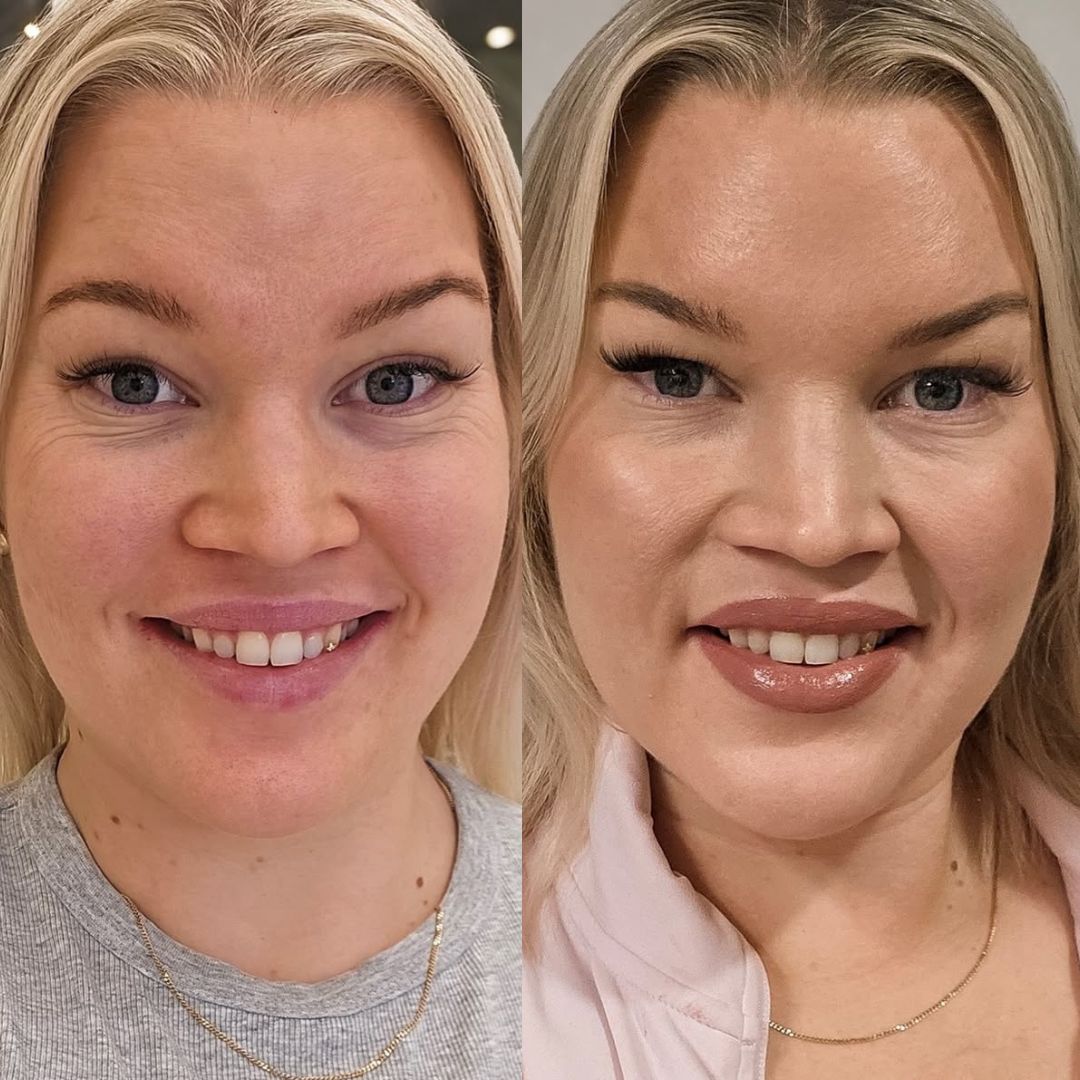
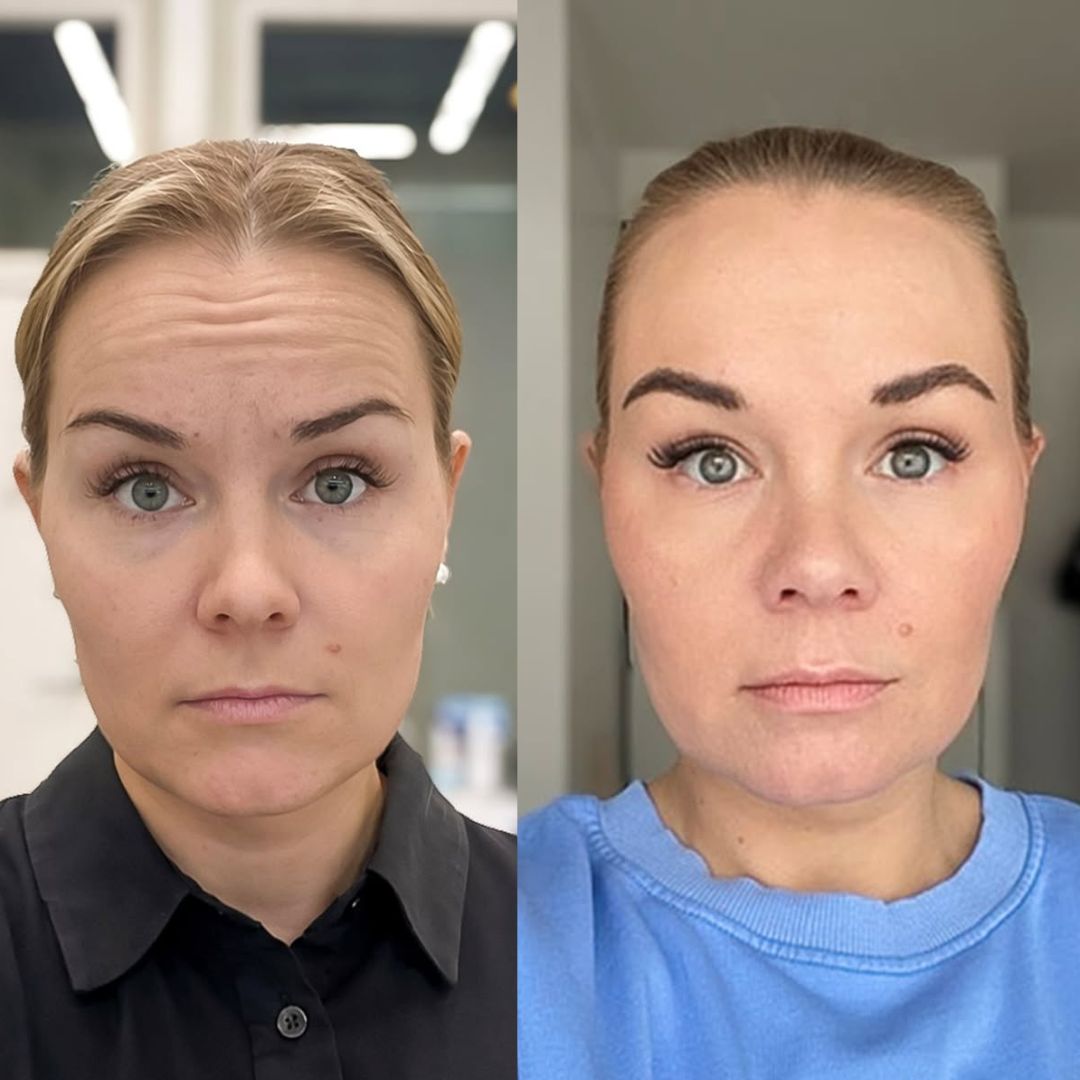
Forehead wrinkles can be prevented with skincare products containing retinoids. Visible forehead wrinkles can be reduced with treatments that stimulate collagen production: microneedling, mesotherapy, and sometimes even laser therapy.
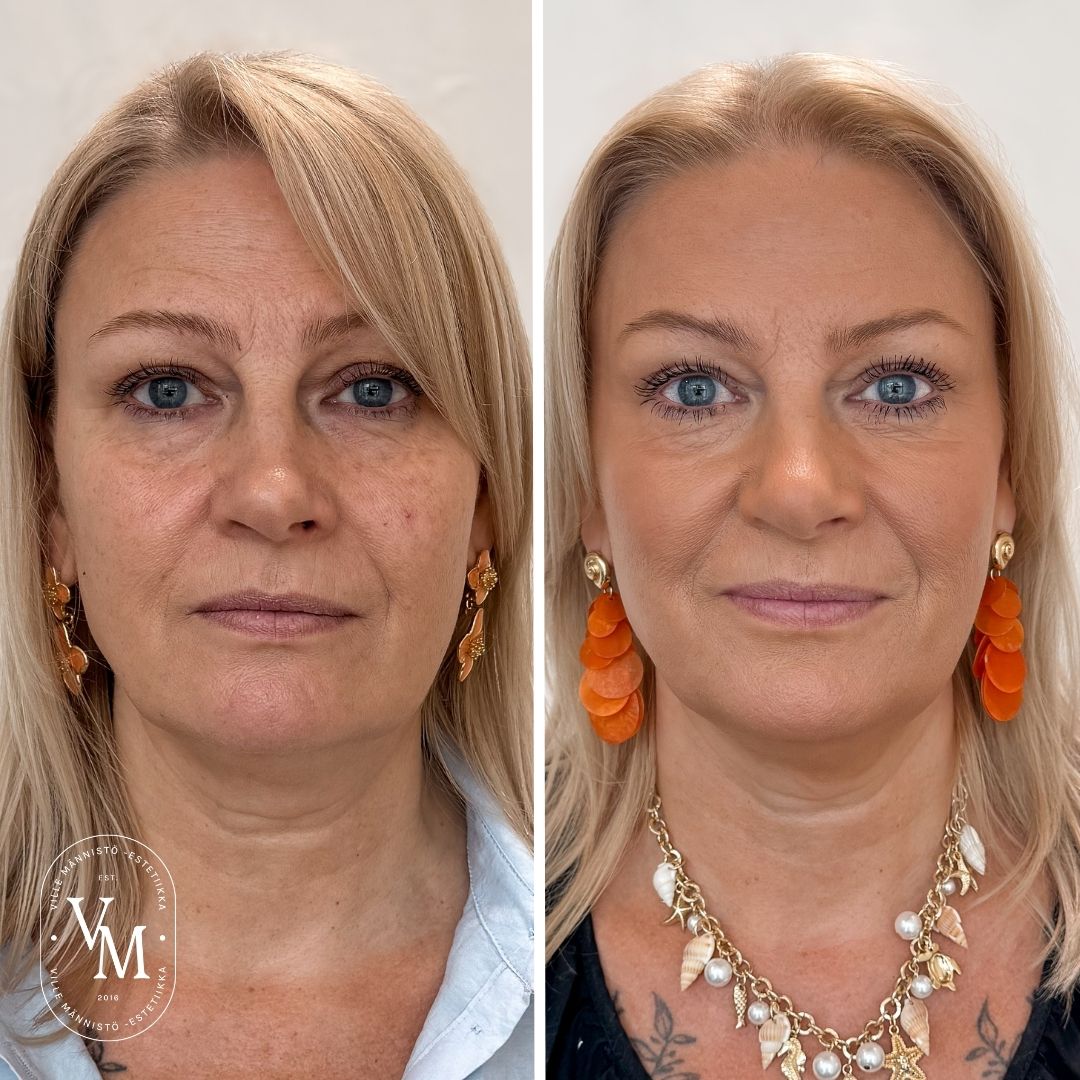
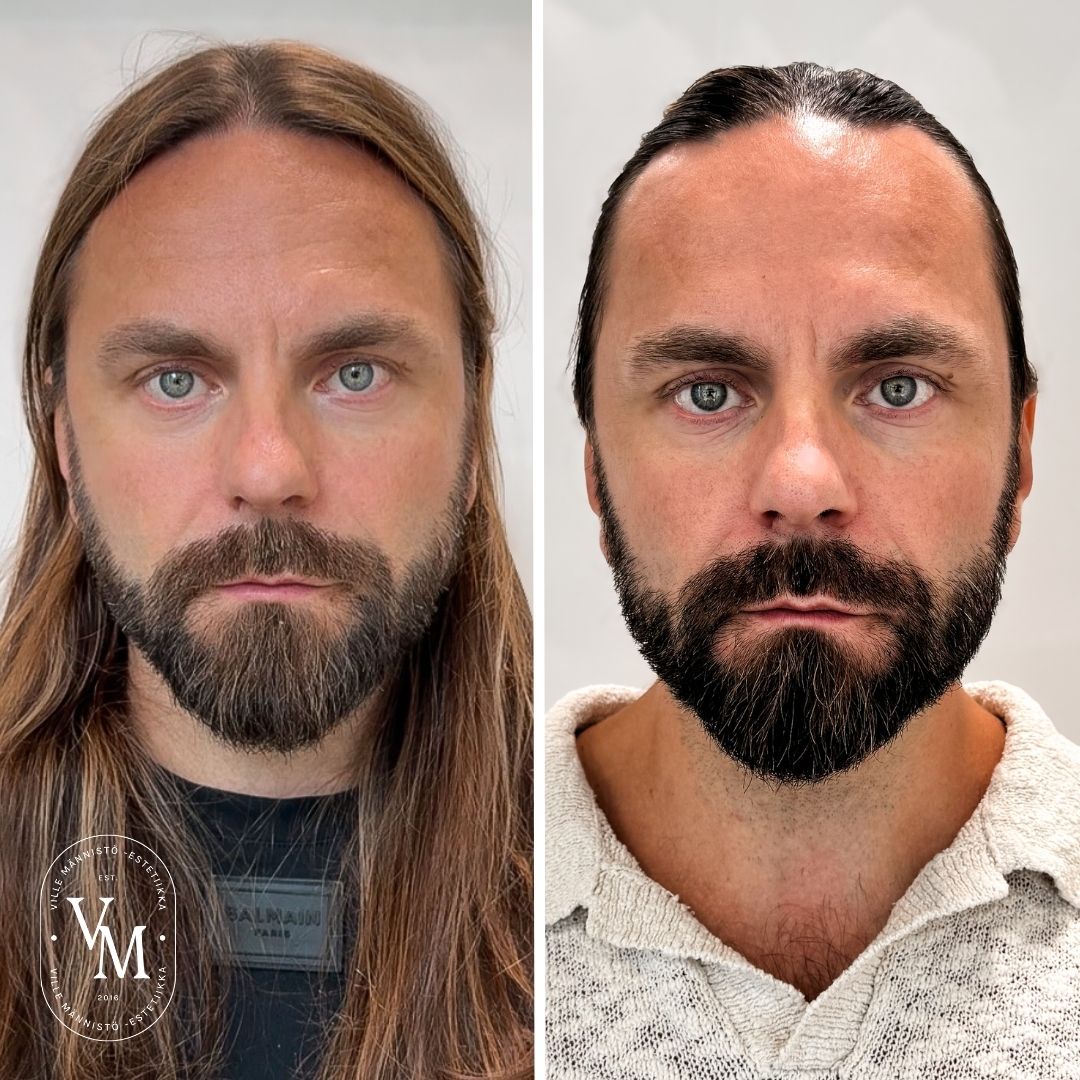
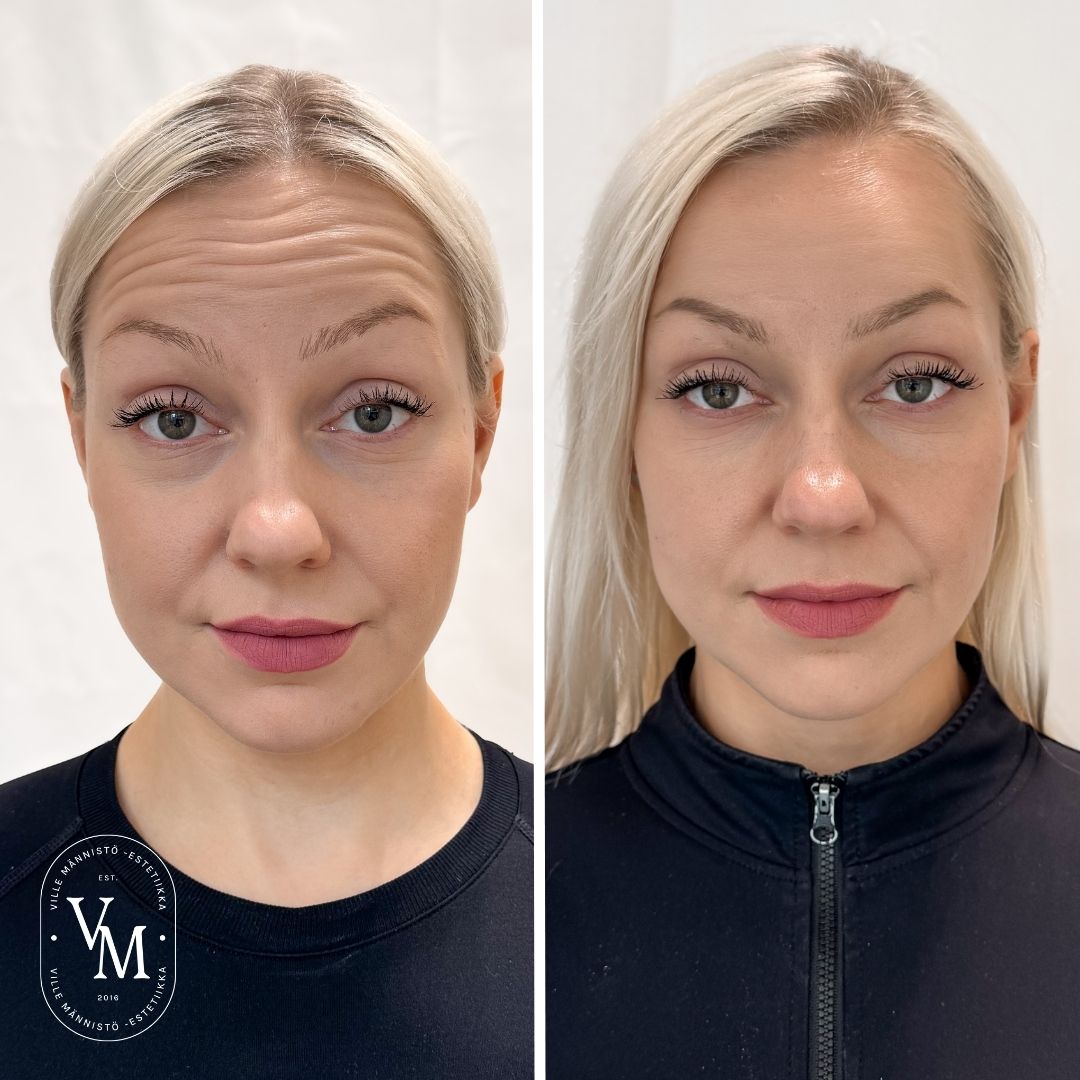
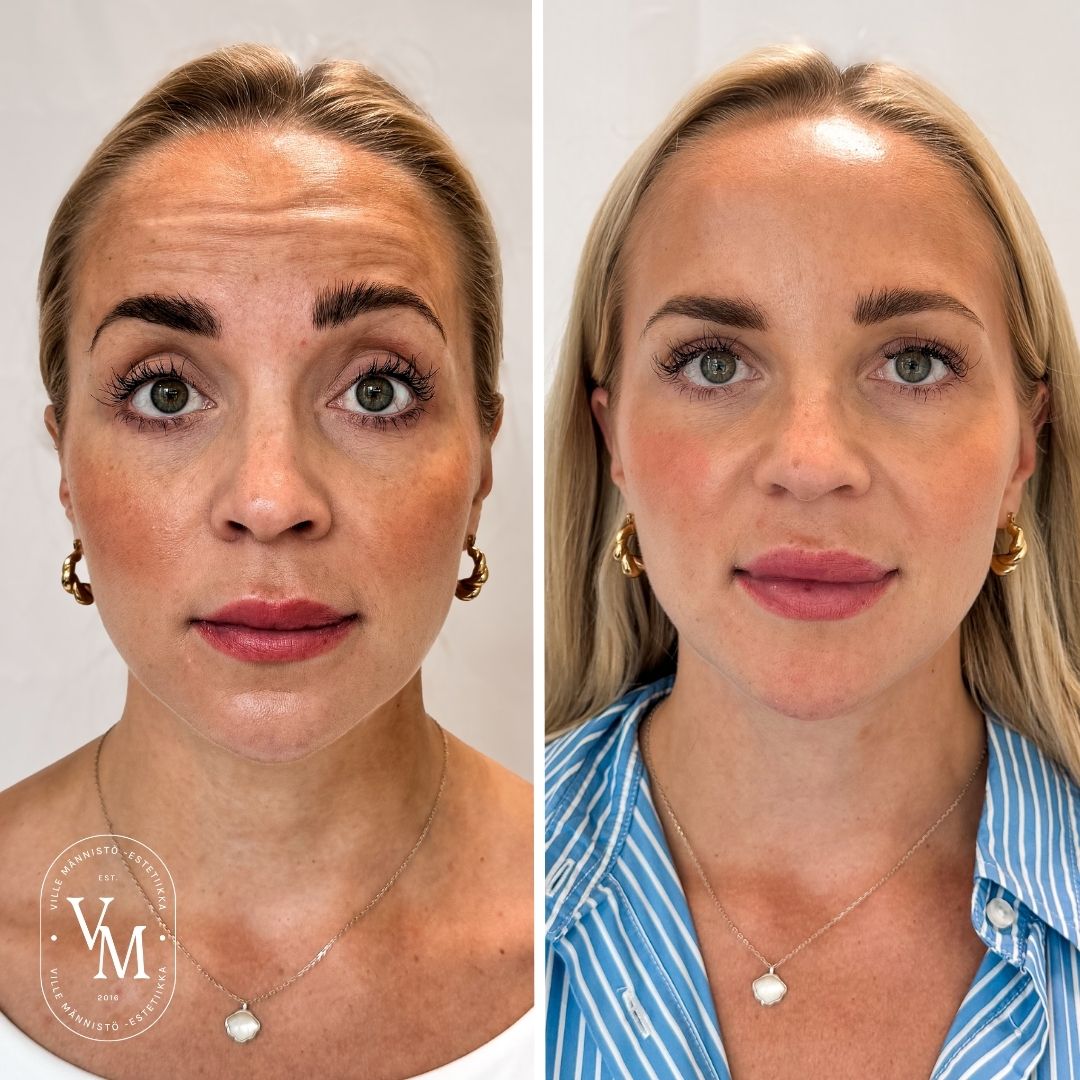
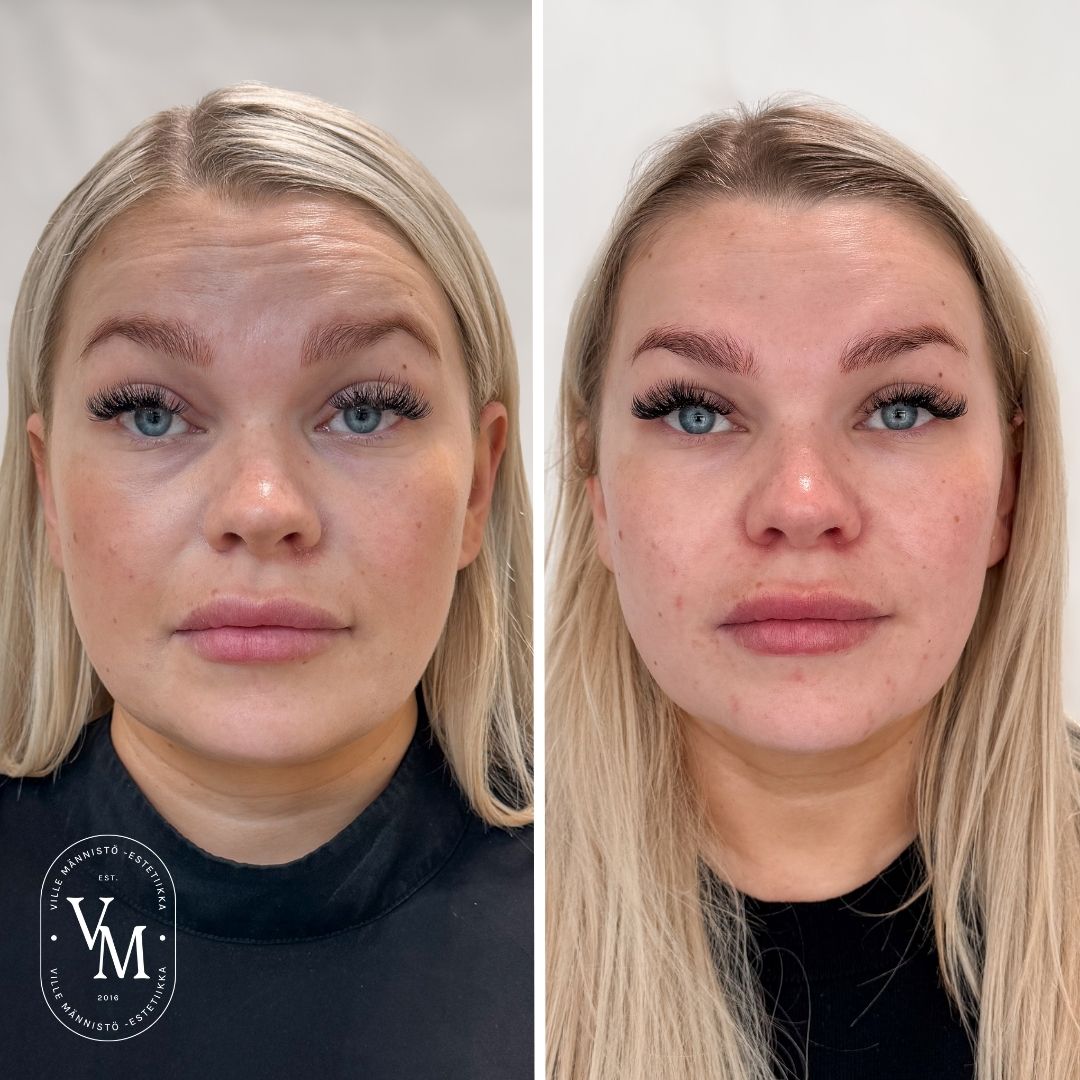
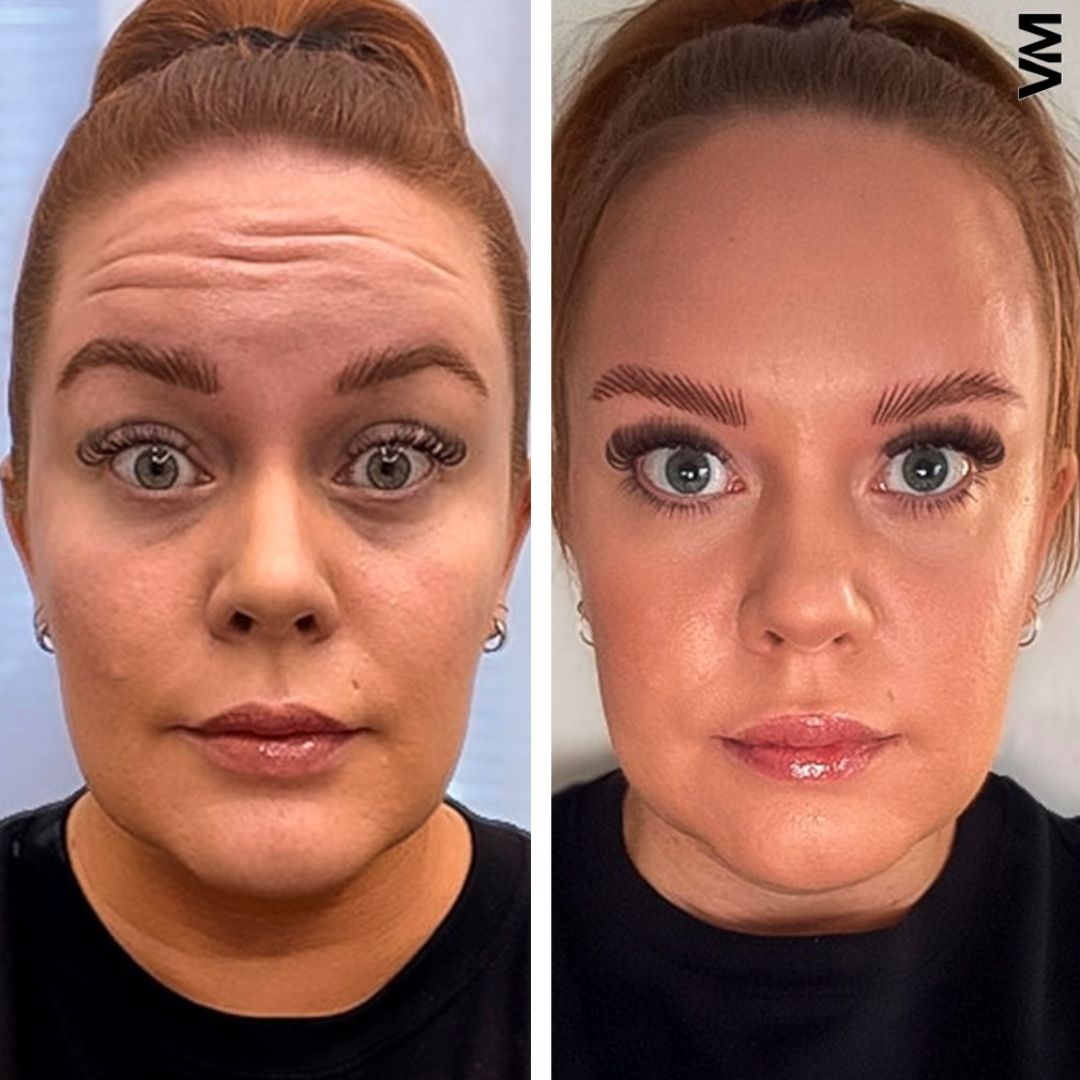
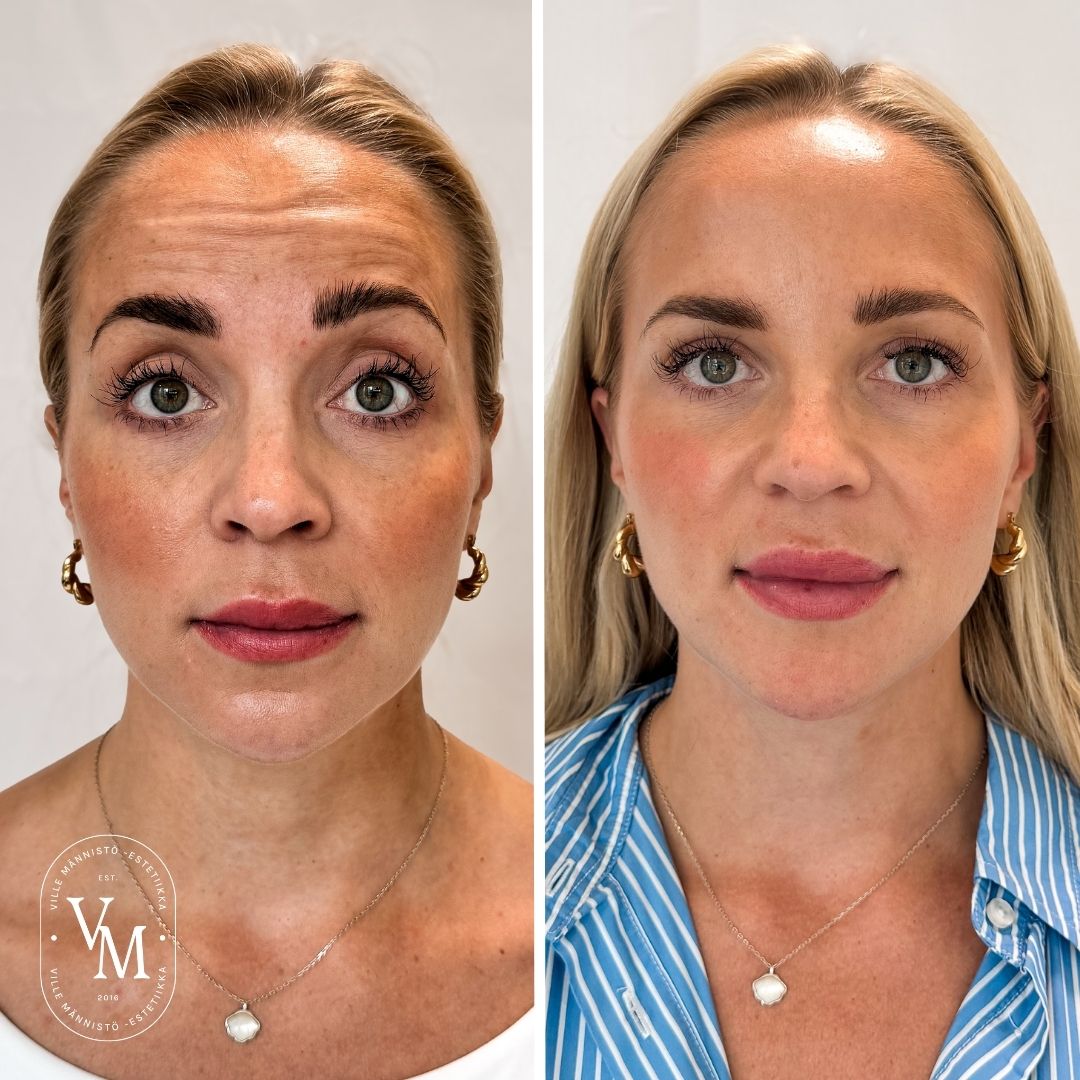
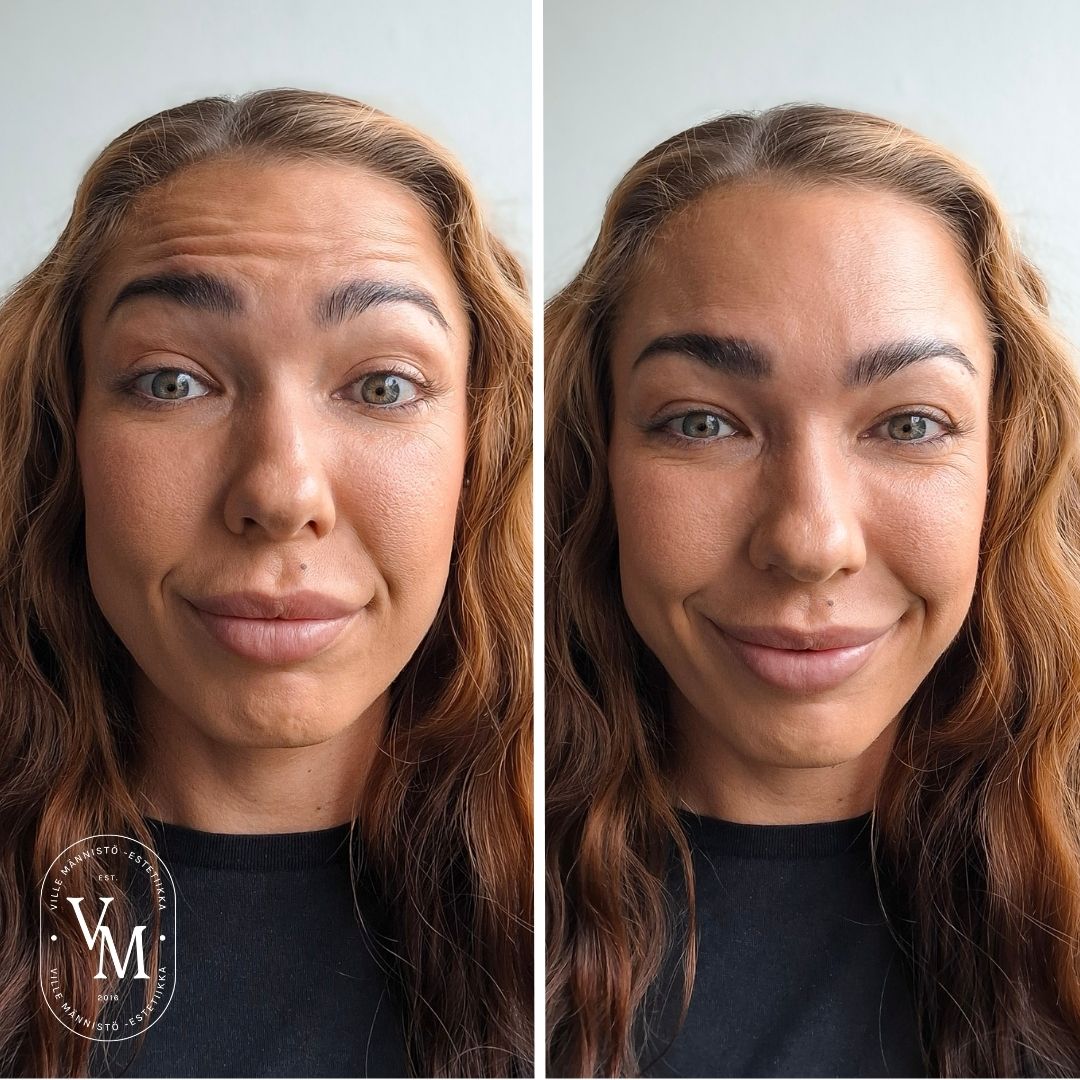
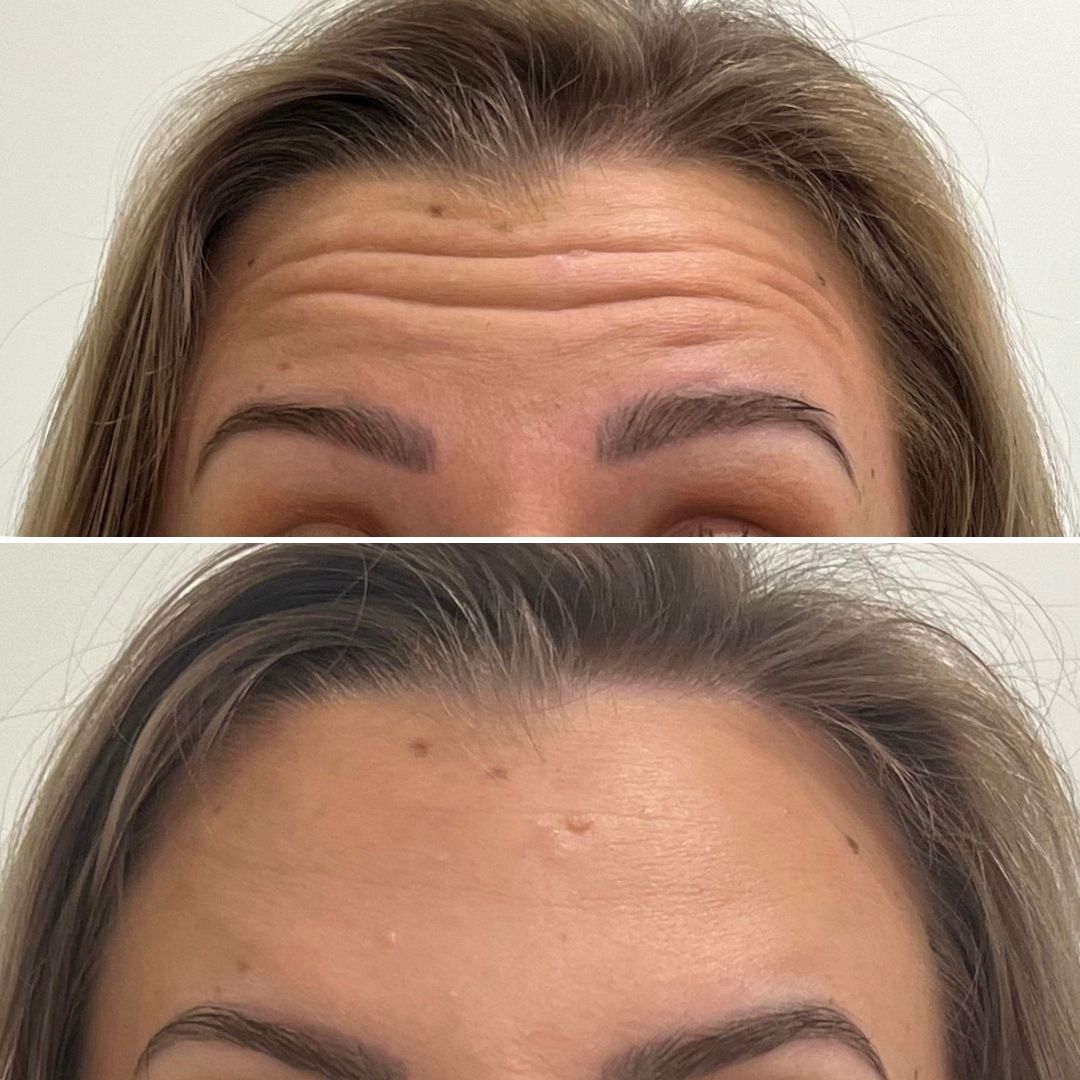
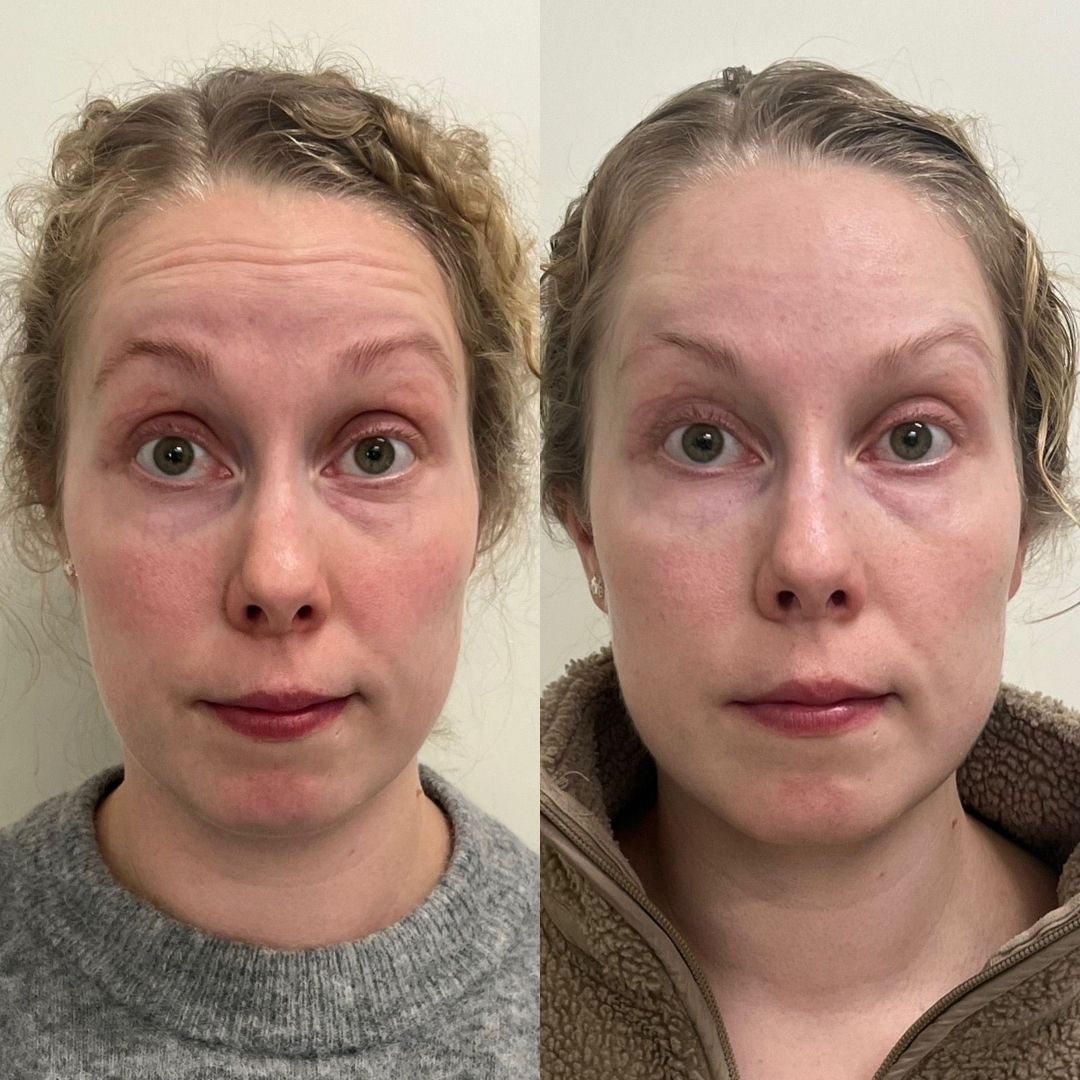
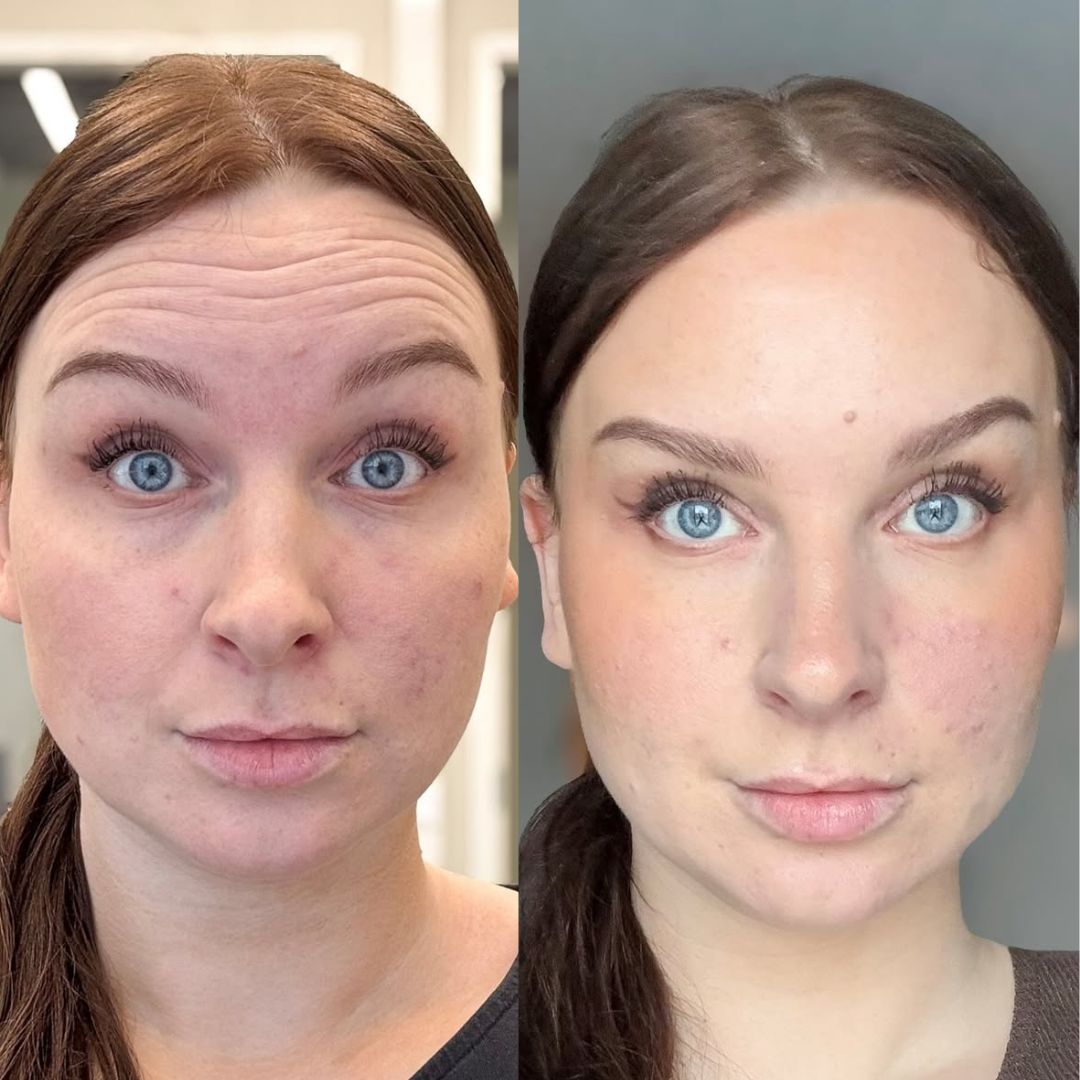
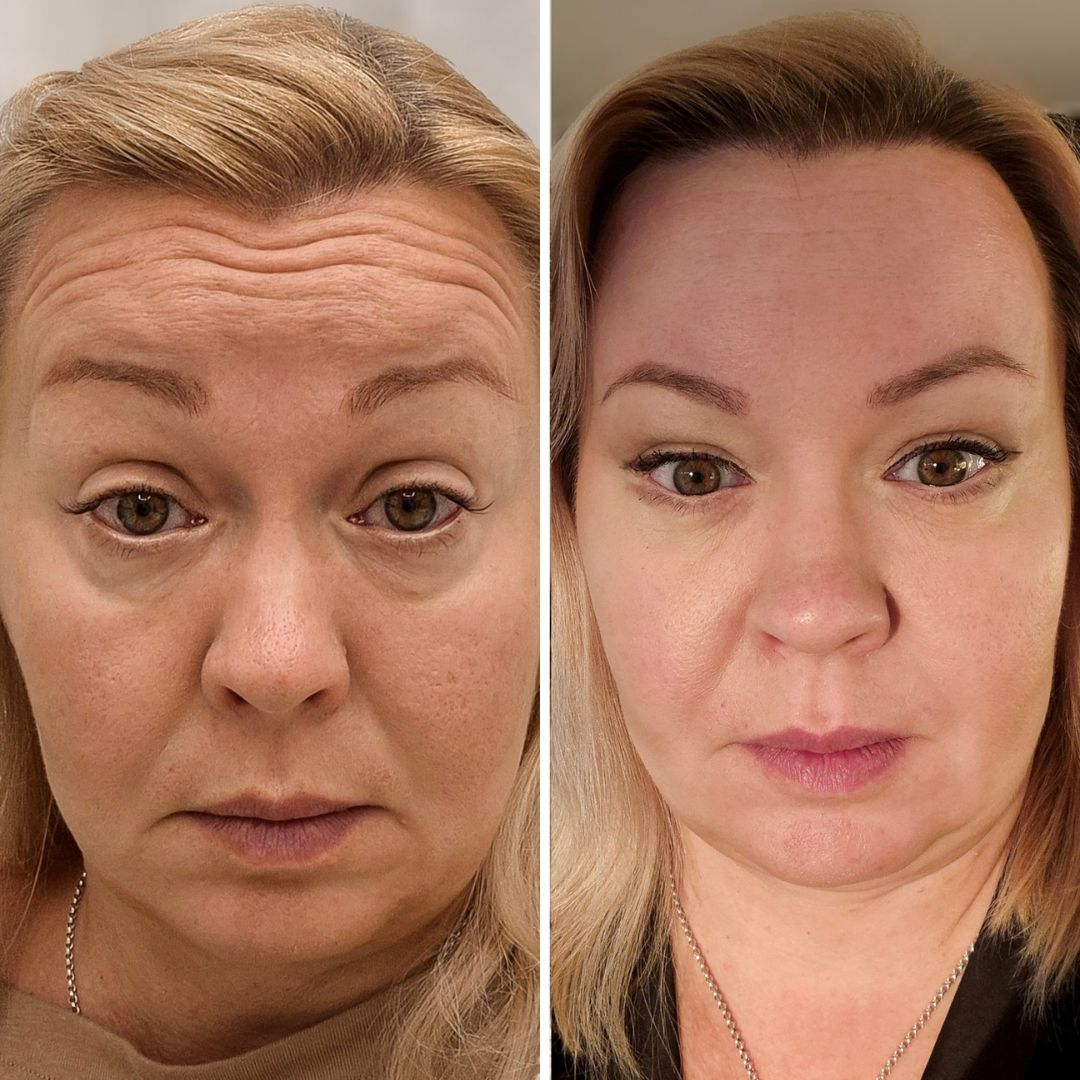
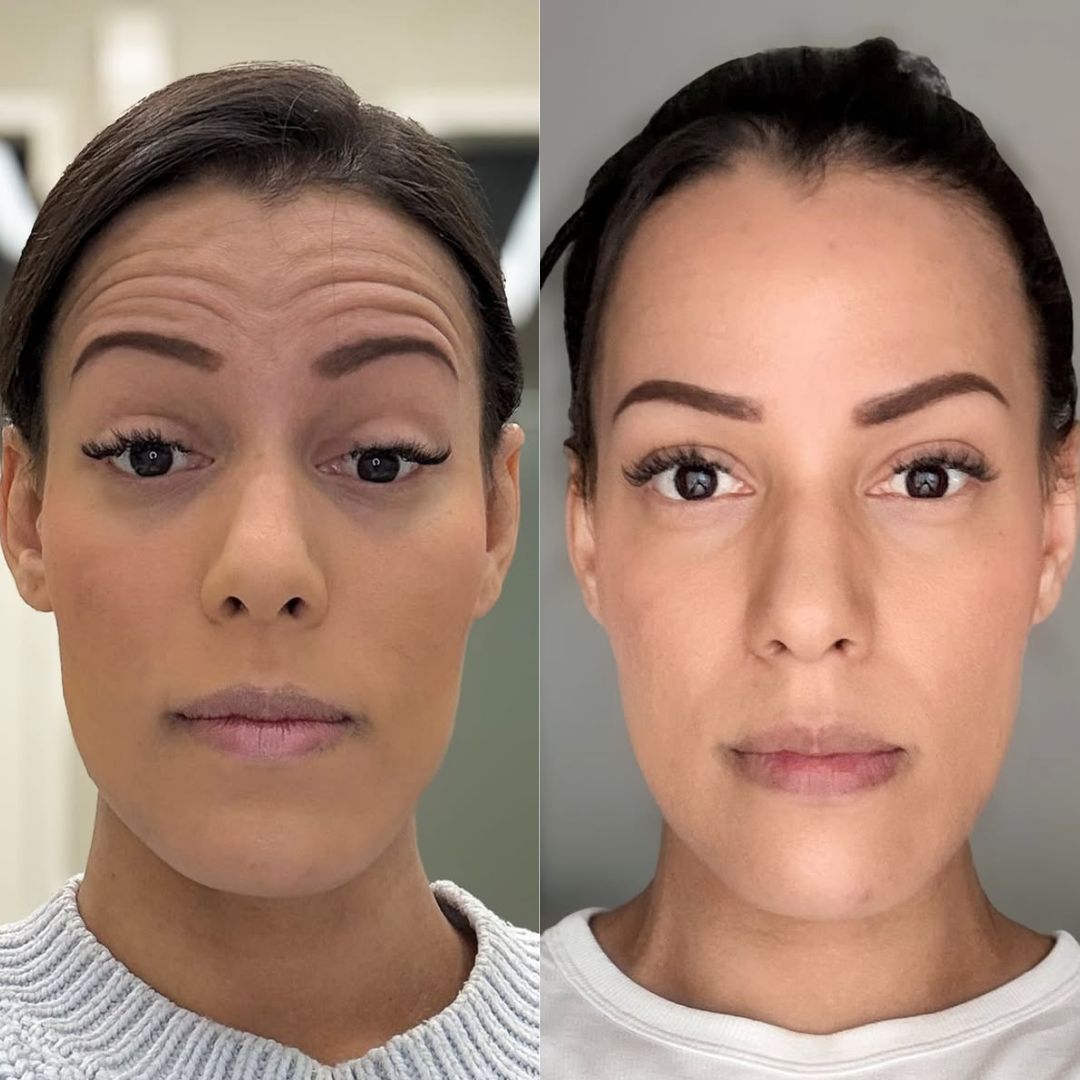
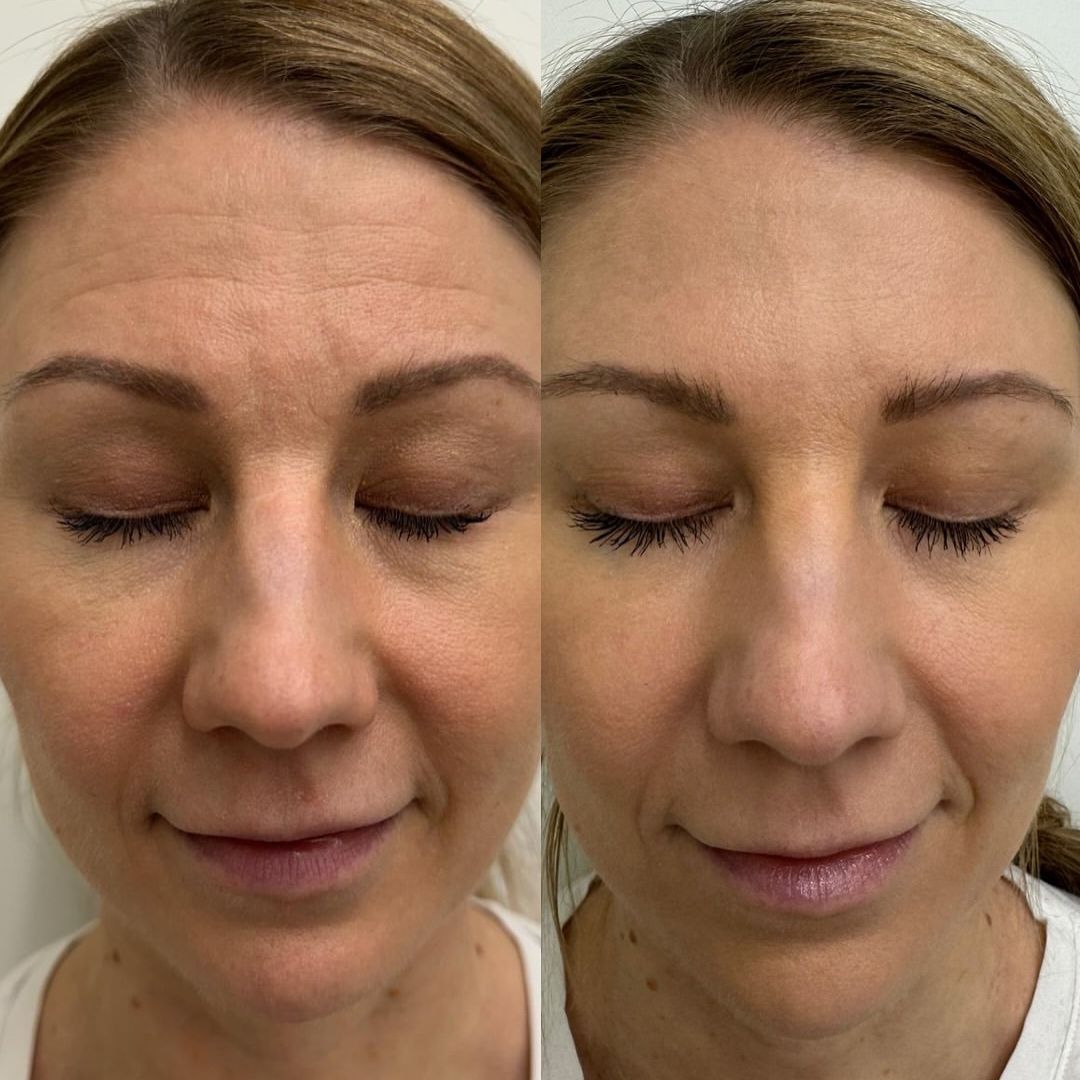
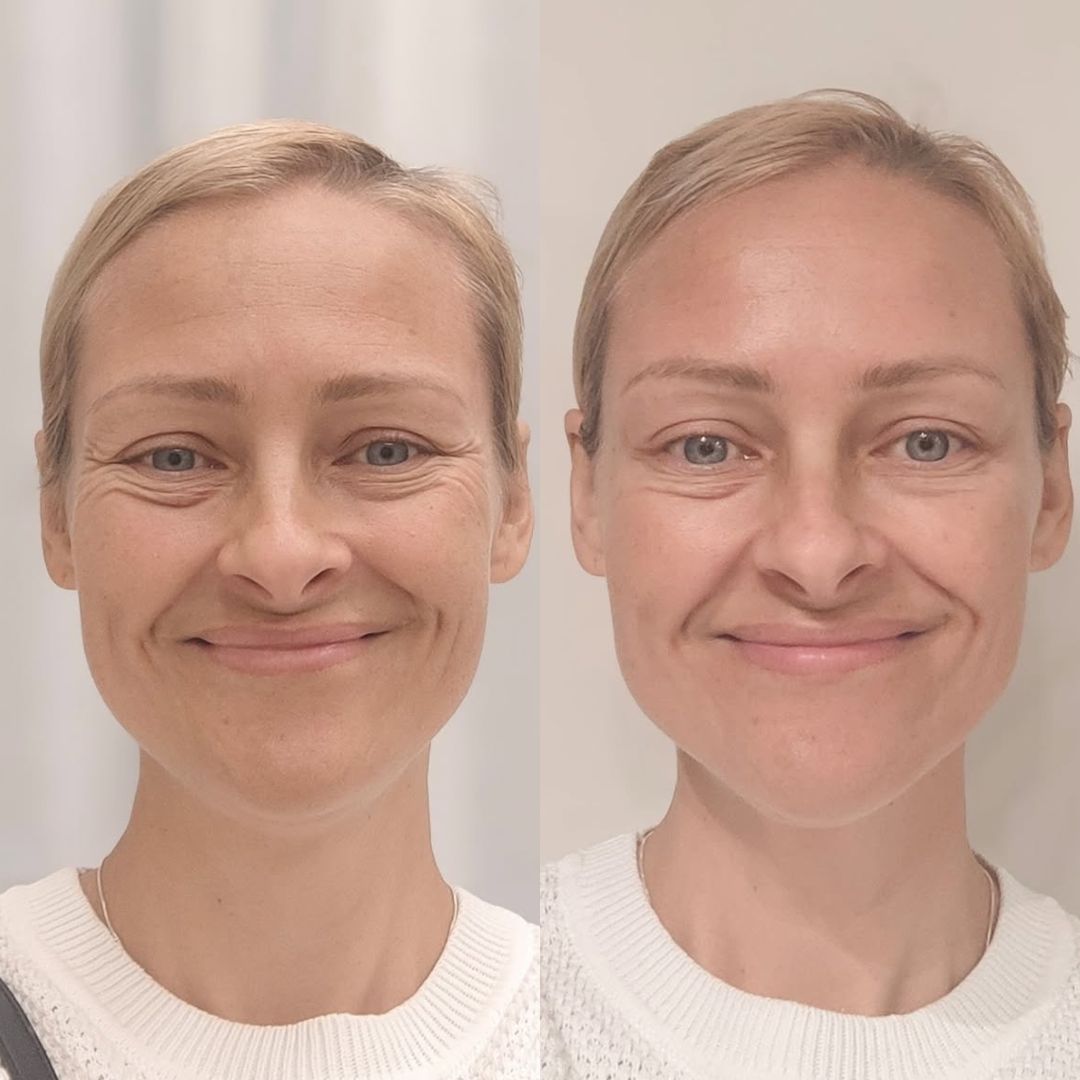
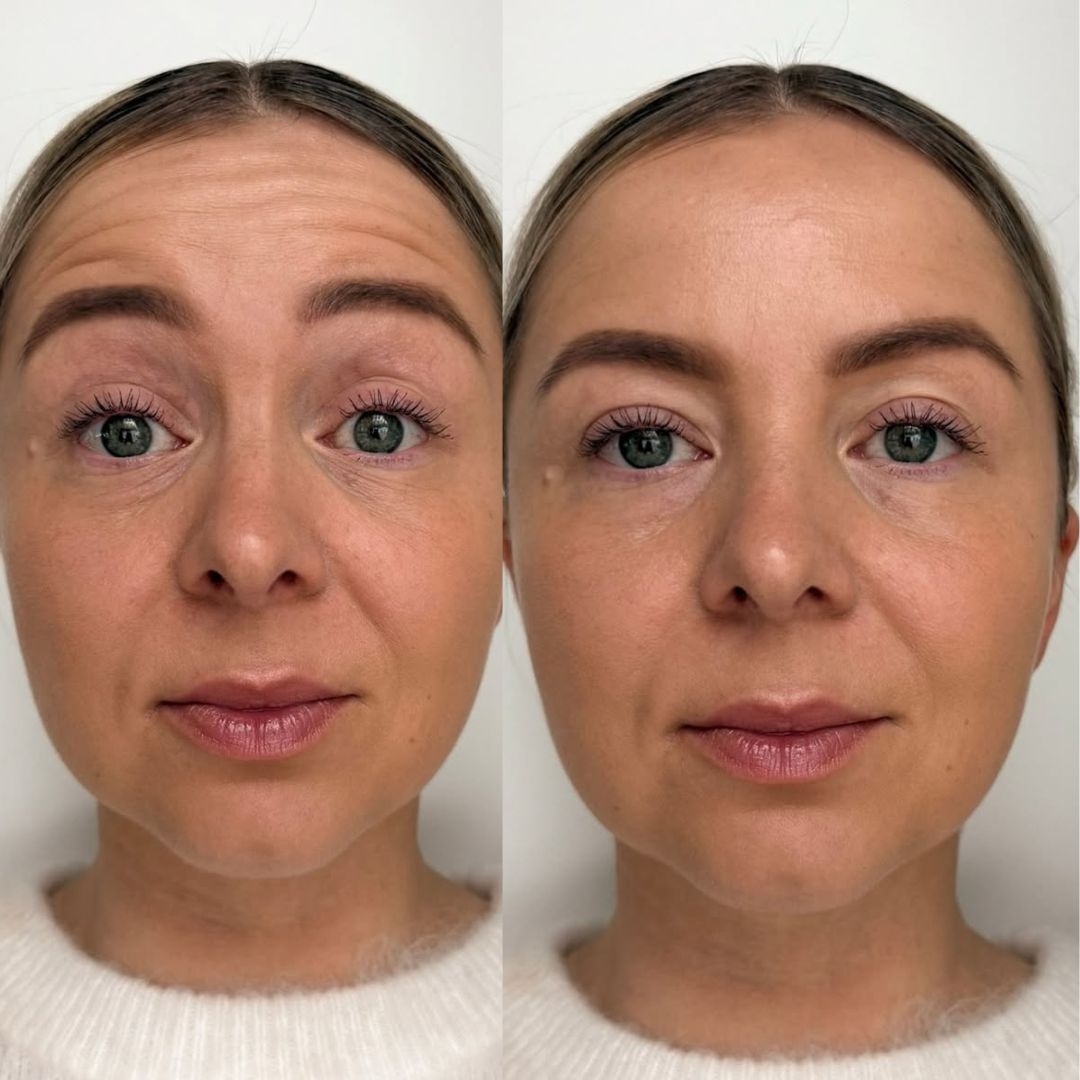
Botulinum toxin almost always provides the best treatment response for horizontal forehead lines and frown lines
.
Even the most stubborn forehead wrinkles can be smoothed out by combining botulinum toxin and collagen-stimulating treatments.
- 270 € (Botox)
- 450 € (treatment series, mesotherapy)
- 650 € (treatment series, microneedling)
- 770 € (series of treatments, polynucleotides)
This guide is for you if you want to understand why forehead wrinkles form and which treatments really work.
Forehead wrinkles form when facial expressions, aging, and the sun’s UV rays alter the skin’s structure. The best treatment for forehead wrinkles is found by examining the causes of these lines. Dynamic expression lines, deep furrows, and sun-induced lines each require their own treatment strategy.


Frown lines are a side effect of life
Do you remember when you were young? You could see the lines on your forehead when you raised or furrowed your eyebrows. Later, the years and decades etched permanent expression lines into your forehead.
You're surprised. You concentrate. You laugh. You furrow your brow. You raise your eyebrows when you hear good news or are puzzled by something. The forehead is the most expressive part of the face. The forehead doesn't hide emotions.
Forehead wrinkles are also one of the first signs of aging that people notice when they look in the mirror. Even in one’s thirties, forehead lines may disappear when facial muscles relax, but over the years, these expression lines become permanent furrows.
One morning, you notice a horizontal line on your forehead, even though you're completely relaxed after a long night's sleep.
The good news is that the formation of forehead wrinkles can be slowed down. Visible wrinkles can also be treated effectively. The most important thing is to understand what causes wrinkles and fine lines. Not all forehead wrinkles are caused by the same factor. That’s why there’s no single miracle cure.
This guide explains
- Why do forehead wrinkles form?
- how they can be prevented
- Which treatments really work?
The question is: “When is a good skincare routine enough, and when should you consider cosmetic treatments?”
Why do forehead wrinkles form?
Wrinkles don't appear overnight, nor are they caused by a single factor.
Wrinkles form gradually as repetitive movements of the forehead muscles, the skin’s natural aging process, and environmental factors all contribute to the same effect over the course of decades. Young skin is elastic and returns to its original state after every facial expression. Over the years, the skin’s resilience diminishes.
Genetics influence how early forehead wrinkles begin to appear. UV radiation from the sun, smoking, stress, and unhealthy lifestyle habits can accelerate skin aging.
The better you understand the underlying causes of forehead wrinkles, the easier it will be for you to choose the right methods for preventing and treating them.

The forehead muscle works from morning to night
The forehead is one of the most expressive areas of the face.
The frontalis muscle raises the eyebrows and is involved in nearly all facial expressions that convey surprise, interest, joy, or disbelief. During a single, ordinary day, the frontalis muscle contracts hundreds of times—often without us even noticing.
- Surprise makes the eyebrows rise. At the same time, horizontal expression lines form on the forehead.
- Concentration activates the forehead muscles. Many people raise their eyebrows, for example, when reading, working on a computer, or looking into the distance.
- Emotions show on the forehead. Surprise, joy, worry, and disbelief leave a fleeting mark on the skin.
- Repetitive facial expressions put strain on the same areas of the skin. The more often the skin wrinkles in the same spot, the more clearly fine lines begin to appear there.
In young skin, wrinkles appear when a person makes facial expressions. Collagen keeps the skin on the forehead firm, and elastin keeps it supple. As we age, the skin’s ability to recover diminishes, and wrinkles begin to appear even when the face is at rest.
For many people, forehead wrinkles are the first clear sign of skin aging.
Young skin recovers, but aging skin does not
One of the greatest strengths of young skin is its excellent ability to bounce back—that is, its elasticity. When you raised or furrowed your eyebrows as a young person, your skin stretched momentarily and quickly returned to its smooth state.
Over the years, the skin's elasticity diminishes. That is why forehead wrinkles begin to appear even when the face is completely relaxed.
- The amount of collagen decreases. Collagen is part of the dermis's support structure. Its decline causes the skin to sag and makes it more prone to wrinkles.
- Elastin weakens and breaks down. Elastin is the other key protein in the skin’s support structure. It helps the skin return to its original state after facial expressions, stretching, and wrinkling. As elastin levels decline with age, the skin can no longer bounce back to its normal state after making facial expressions.
- Hyaluronic acid reserves plummet. The third component of the skin’s support structure is hyaluronic acid. Hyaluronic acid binds large amounts of water, keeping the skin hydrated and maintaining its youthful plumpness. A decrease in hyaluronic acid makes the skin drier and thinner than before. Fine lines become more pronounced in dry, thin skin.
- Subcutaneous fat tissue also shrinks. The fat layer on the forehead is very thin, and the loss of fat does not account for forehead wrinkles to any great extent. However, the loss of fat tissue does play a small role.
According to studies, the skin in the area of a deep forehead wrinkle differs from the skin surrounding it. The wrinkle area contains less collagen, elastin, and fat than the areas adjacent to the wrinkles. Therefore, deep forehead wrinkles cannot be smoothed out with skin care products alone that are applied to the skin’s surface. The most effective treatment is determined once it has been established whether the wrinkle is primarily caused by muscle activity, skin aging, or both.
The sun is the forehead's worst enemy
If one had to name the single biggest external risk factor for the development of forehead wrinkles, it would be the sun. The forehead is almost always exposed to UV radiation, and over the years, the effects of the sun begin to show in the condition and appearance of the skin.
For people who spend a lot of time outdoors or enjoy being in the sun, forehead wrinkles may appear significantly earlier than in their peers.
- UV radiation breaks down collagen and elastin. The skin becomes saggy and loses its ability to bounce back. As collagen and elastin reserves diminish, expression lines on the forehead become permanent.
- Free radicals accelerate skin aging. They are constantly produced in the body as a result of cellular respiration. Sunbathing and tanning beds accelerate the damage caused by free radicals to the skin.
- Air pollution increases oxidative stress. Studies show that air pollutants can also accelerate premature skin aging.
- Smoking impairs blood circulation in the skin. At the same time, collagen production slows down, and the skin appears drier, thinner, and more wrinkled.
The good news is that these factors can be influenced. Applying sunscreen daily, not smoking, and eating a diet rich in antioxidants help protect the skin from premature aging.

Preventing wrinkles is always easier than fixing deep wrinkles. Of course, fixing them is possible, too!
Family is the worst — forehead wrinkles encoded in our genes
Have you ever wondered why your friend’s forehead is still smooth even in her forties, even though she doesn’t take good care of her skin? The explanation lies, at least in part, in her genes.
- Genetics influence the structure of the skin. Genes determine, among other things, skin thickness, collagen levels, and how quickly the skin ages.
- Gender also plays a role. On average, men have thicker skin than women. On the other hand, a man’s strong forehead muscles can cause deep expression lines.
- Hormonal changes accelerate skin aging. The loss of collagen triggered by menopause appears as wrinkles on the forehead.
You can’t change your genetics, but you can accelerate or slow down their effects. A healthy lifestyle, sun protection, and the right skin care products and treatments have a significant impact on when forehead wrinkles begin to appear and how deep they become over time.
Get rid of dynamic and static forehead wrinkles
Not all forehead wrinkles are the same. Some wrinkles are only visible when you raise your eyebrows. Others are visible even when your face is completely relaxed.
The lines that appear when making facial expressions are called dynamic wrinkles, while those visible at rest are called static wrinkles. It is important to distinguish between static and dynamic forehead wrinkles, as the treatments for them differ in some respects.
Dynamic forehead wrinkles are caused by repeated contraction of the forehead muscle. Static forehead wrinkles indicate that the dermis—the layer of skin beneath the epidermis—has also changed: the amount of collagen, elastin, and hyaluronic acid in the dermis has decreased.
Often, both dynamic and static wrinkles are visible on the forehead at the same time. If this is the case, the best treatment results are achieved by combining several different treatment methods.

Get rid of dynamic forehead wrinkles
Botox treatments
Dynamic forehead lines are expression lines. They appear when you raise your eyebrows, express surprise, or tense your forehead muscles, but they disappear when your face relaxes. On young skin, these lines are completely normal and do not indicate skin aging.
- They are caused by muscle movement. Every time you raise your eyebrows, the skin wrinkles slightly.
- Young skin recovers quickly. Abundant collagen and elastin help the skin regain its smoothness.
- Dynamic wrinkles can become permanent. As the skin loses its elasticity, expression lines begin to remain visible even at rest.
Dynamic forehead wrinkles respond very well to Botox treatment, as the treatment reduces the intense contraction of the forehead muscle. When the skin is no longer constantly creasing in the same spot, it has the opportunity to recover and smooth out over the long term.
Get Rid of Static Forehead Wrinkles
Combination Therapies
Static forehead wrinkles are visible even when the face is completely relaxed. They indicate that the skin’s structure has changed and that the skin can no longer fully return to its original state after every facial expression. The deeper the wrinkles become, the less they are caused by muscle activity alone and the more they are due to skin aging.
- The skin has lost its elasticity. The levels of collagen, elastin, and hyaluronic acid have decreased over the years.
- The wrinkle remains visible even at rest. The expression line has become a permanent crease.
- There are several underlying causes. Aging, UV radiation, lifestyle, and repetitive facial expressions all contribute to the deepening of wrinkles.
When treating static forehead wrinkles, botulinum toxin treatment alone isn't always enough.
If Botox alone isn't enough to smooth out forehead lines, it's a good idea to strengthen the skin on the forehead with collagen-stimulating treatments. These include, for example, microneedling, polynucleotide treatments, or mesotherapy.
Why do expression lines become permanent?
“Just a few years ago, the forehead wrinkle was only visible when raising the eyebrows, but now it’s noticeable in the mirror even when the face is completely relaxed,” many of our customers note.
The transformation of a frown line into a permanent wrinkle is not solely due to the fact that the forehead muscle has been working hard, but also to the fact that the skin has undergone biological changes.
- Collagen and elastin levels decrease. The skin's support structure weakens, so the skin can no longer bounce back into place after every facial expression.
- The skin becomes thinner. Over time, thin skin is easily marked by permanent lines.
- Repeated facial expressions leave a lasting mark. When the skin contracts in the same spot over the years, a temporary expression line turns into a permanent wrinkle.
- The sun accelerates this process. UV radiation breaks down collagen and elastin, causing wrinkles to deepen even further.
A study published in PubMed found that the skin structure at the site of a deep forehead wrinkle differs from that of the surrounding skin. The skin in the wrinkled area was thinner than the rest of the skin. The skin at the site of the wrinkles contained less elastin and its precursors than the adjacent skin.
This research finding helps explain why deep forehead wrinkles generally cannot be smoothed out with skincare products alone. The most effective treatment depends on how much of the wrinkle is caused by muscle activity and how much by biological changes in the skin.
Can forehead wrinkles be prevented?
Yes, it is possible—at least to some extent. Although aging or genetically determined fate cannot be stopped, the formation of forehead wrinkles can be significantly slowed down with the right lifestyle choices and skincare. The sooner you start focusing on protecting your skin and maintaining collagen, the longer your forehead will remain smooth.
Preventing forehead wrinkles is easier than treating them.

Sunscreen beats out expensive anti-wrinkle creams
If you ask dermatologists what the most effective product is for preventing forehead wrinkles, the answer is almost always the same: sunscreen. The sun’s UV rays break down the collagen and elastin in the skin, which keep it firm and elastic. The decline in collagen and elastin occurs slowly over the course of years and decades. The change is often difficult to notice and recognize.
- Use sunscreen year-round. SPF 30–50 protects your skin from damage caused by UV radiation.
- Apply sunscreen even on cloudy days. UVA rays penetrate clouds and window glass.
- Sunglasses reduce squinting. At the same time, the muscles in the forehead don't have to work as hard.
Many people use expensive anti-wrinkle creams but forget the most important thing.
The best anti-wrinkle cream is the one that prevents wrinkles from forming.
Retinol, Vitamin C, and Peptides
A good skincare routine won't eliminate deep forehead wrinkles, but it can slow down the formation and deepening of wrinkles. The strongest scientific evidence supports the use of a few specific active ingredients. The effects of these active ingredients are based on supporting the skin's biology, not just on moisturization.
- Retinol. Retinol accelerates the skin's renewal cycle and, in the best-case scenario, can slightly stimulate collagen production. You'll see results after a few months of regular use.
- Vitamin C. Vitamin C is a powerful antioxidant that protects the skin from damage caused by free radicals.
- Peptides. Peptides are chains of amino acids that signal to the skin the need to produce collagen and elastin. With long-term use, they can both improve the health and enhance the beauty of the skin.
- Hyaluronic acid. The hyaluronic acid in skin care products binds moisture to the skin, temporarily smoothing out fine lines.
However, no skincare product can penetrate deep enough into the dermis to strengthen the skin’s own support structure, which is made up of collagen, elastin, and hyaluronic acid. Skincare products are most effective at preventing forehead wrinkles.
Diet, sleep, and stress show up on your forehead
The skin is constantly renewing itself. The skin’s well-being also depends on what is happening inside the body. Although a healthy lifestyle won’t eliminate forehead wrinkles, it can slow down premature skin aging and support the skin’s natural repair mechanisms.
- A varied diet. Adequate protein intake, along with antioxidant-rich vegetables, berries, and fruits, supports skin health.
- Quality sleep. During the night, the skin regenerates and repairs any damage that occurred during the day.
- Stress management. Prolonged stress increases cortisol levels in the body, which can slow down collagen production.
- Avoid smoking, sunbathing, and heavy alcohol consumption. All of these significantly accelerate skin aging.
A healthy lifestyle won't stop the passage of time, but it can help your skin fight the signs of aging.
Getting Rid of Headaches at Home—What Really Helps?
The internet is full of tips that promise to smooth out forehead wrinkles in just a few weeks. In reality, the possibilities of at-home care are limited. The right skincare products moisturize the skin, improve its function and appearance, and slow down the formation of new wrinkles. However, home remedies won’t eliminate forehead wrinkles. They work best when only very fine lines are visible on the forehead or when the goal is to maintain the results of aesthetic treatments.
Get Rid of Forehead Wrinkles with Hyaluronic Acid
Dry skin accentuates wrinkles. That’s why one of the easiest ways to make your forehead look smoother is to make sure your skin is properly moisturized. Although moisturizer doesn’t remove wrinkles, well-hydrated skin looks plump and healthy. In practice, moisturizer plumps up the skin’s surface, temporarily smoothing out wrinkles.
- Hyaluronic acid binds moisture. It helps the skin look supple. It reduces wrinkles caused by surface dryness.
- Moisturizer strengthens the skin's protective barrier. Healthy skin does not succumb to external threats.
- The results are temporary. Hyaluronic acid does not increase the skin's own collagen production and does not affect the function of the forehead muscle.
Moisturizing should be viewed as a good foundation for skin care, not as an actual wrinkle treatment. A good moisturizer revitalizes the skin and improves its appearance. However, even the best moisturizer won't get rid of forehead wrinkles.
Facial exercises, facial tape, facial massage—hits or misses?
Facial exercises, facial taping, and massage, as well as other home remedies, are a matter of opinion.
Proponents of facial exercises believe that these exercises strengthen the facial muscles and firm the skin. There is little research evidence to support the claim that these exercises reduce forehead wrinkles.
The problem is that forehead wrinkles are caused specifically by repetitive muscle movement. In theory, constantly exercising the forehead muscles could even accentuate these wrinkles.
Proponents of facial taping believe that the tape reduces muscle tension and smooths out forehead wrinkles overnight. There is also very little scientific evidence regarding the long-term effectiveness of facial taping.
Facial massage is believed to stimulate blood circulation and reduce facial swelling. There is even less research evidence to support the claim that massage can permanently reduce forehead wrinkles.
- Facial expressions cause wrinkles. The more often you furrow your brow in the same spot, the more likely it is that the lines will deepen. Facial expressions have a greater impact than tape or massage.
- There is limited research evidence. There is no strong scientific evidence regarding the long-term benefits of home remedies for forehead wrinkles.
- Facial massages and facial tapes can feel pleasant. They can relax the muscles and reduce swelling. However, they do not eliminate permanent forehead wrinkles.
If the goal is to prevent or treat forehead wrinkles, sun protection, retinol, and other evidence-based treatments are significantly more reliable options than facial taping, massage, or exercise.
One day, home care will no longer be enough
- The wrinkle is visible even at rest.
- The skin on my forehead has lost its elasticity.
- Despite skincare, no further changes will occur.
Home care works best when only shallow expression lines are visible on the forehead. If forehead wrinkles are clearly visible even when the face is at rest, or if the wrinkles have deepened despite home care, you’ve reached the limits of what home remedies can do.
If you're concerned about wrinkles, you can seek an evaluation from a cosmetic medicine professional if you wish.
Get rid of forehead wrinkles without Botox
Many of us want to get rid of forehead wrinkles without Botox. This is indeed possible, at least in some cases. However, the outcome of a Botox-free treatment depends on the causes and locations of the forehead wrinkles.
When it comes to early fine lines or changes associated with skin aging, wrinkles can often be minimized with a good skincare routine and aesthetic treatments that stimulate collagen production.
- Studies have shown that retinoids are highly effective active ingredients. Retinols and retinoids accelerate skin renewal. Tretinoin, which is available by prescription, also slightly stimulates collagen and elastin synthesis.
- Sunscreen. SPF 50 is the best way to prevent forehead wrinkles and slow the deepening of existing fine lines. Both chemical and physical sunscreens protect the skin’s own collagen from damage caused by UV radiation.
- Microneedling increases the skin's production of collagen and elastin and smooths out fine and moderate forehead wrinkles.
- Laser treatments improve the condition of the skin and smooth its surface. With the right laser treatments, it is also possible to strengthen the skin’s own collagen fibers and stimulate the skin’s fibroblasts to produce new collagen and elastin.
- Polynucleotides support the skin's biological renewal and improve its elasticity and moisture balance.
- Mesotherapy deeply hydrates the skin and delivers high concentrations of hyaluronic acid, vitamins, and amino acids directly to the skin.
- Home remedies. A good, consistent skincare routine, adequate moisturizing, diligent use of sunscreen, a generally healthy lifestyle, and not smoking can help slow the formation of forehead wrinkles.
The trail leads to the sausage factory — to the meat or the skin
If forehead wrinkles are visible only when you make facial expressions, the wrinkles are caused by an active forehead muscle. In such cases, Botox treatment is the best weapon against wrinkles. After all, no cream or biostimulation treatment can curb muscle activity.
When the causes of forehead wrinkles lie in the skin, excellent results are often achieved without Botox.
Get Rid of Forehead Wrinkles with Cosmetic Treatments
Once forehead wrinkles have become permanent, home care is no longer sufficient; the most effective treatments are found in aesthetic medicine.
The right aesthetic treatment is chosen based on the cause of the forehead wrinkles. If the problem is overactive forehead muscles, Botox is often the first choice. If, on the other hand, the skin has lost its elasticity and collagen, a better solution may be microneedling, laser treatment, or another collagen-stimulating treatment.
A layered wrinkle requires layered treatment
Often, the underlying causes of forehead wrinkles lie in both muscle activity and skin aging. In such cases, the best results are achieved by combining two types of treatments in a layered approach:
- Botox relaxes the forehead muscle.
- Microneedling, laser treatments, and collagen-stimulating treatments revitalize and rejuvenate all layers of the skin.
Even in this case, the goal of the comprehensive treatment is not to eliminate facial expressions, but to make the forehead look rested, smooth, and naturally youthful.
Botulinum toxin

If forehead wrinkles are particularly noticeable when raising your eyebrows or making facial expressions, Botox treatment is almost always the best solution. Botox does not fill in wrinkles or tighten the skin. It relaxes the forehead muscle just enough so that the skin no longer constantly wrinkles in the same spot. When the skin gets a break, it automatically smooths out as well.
- Botox is particularly effective for dynamic forehead wrinkles. The treatment is best suited for horizontal forehead wrinkles that appear when raising the eyebrows, as well as the glabellar lines that appear when furrowing the brow.
- Botox prevents wrinkles from deepening. When Botox treatment is performed proactively, forehead wrinkles can be kept in check before they deepen.
- The effects begin quickly. The first changes are usually visible within a few days, and the final results of the treatment are assessed after about two weeks.
- The results are temporary. The effects last an average of 3–6 months, after which the treatment can be repeated.
Many people think that Botox smooths out the skin on the forehead. However, the mechanism of action of Botox is slightly different. Botox treatment relaxes the muscle; it does not treat the skin. Still, a forehead treated with Botox is smooth and radiant, and that is where the magic of Botox treatment lies.
Botox acts on the muscle. The effects are beautifully reflected in the skin covering the muscle.
Microneedling

Microneedling is a good option when forehead wrinkles are caused by skin aging rather than by active forehead muscles. In microneedling treatment, very small, sterile micro-injuries are created in the skin, which trigger the skin’s natural repair processes. Technically, this repair process involves the production of new collagen and elastin. These proteins improve the skin’s firmness and elasticity.
- Increase collagen production. New collagen strengthens, firms, and tightens wrinkled skin.
- Increase elastin production. This improves the skin's elasticity and ability to bounce back.
- More radiance. With a series of treatments, your skin becomes smoother, brighter, and revitalized.
- The secret lies in a course of treatments. Generally, 3–4 treatment sessions are recommended, spaced about 4–6 weeks apart.
Microneedling does not relax the forehead muscles, so it cannot eliminate deep expression lines on its own. Its strength lies in the biological regeneration of the skin.
Microneedling and Botox treatments complement each other perfectly: Botox reduces the muscle movements that cause wrinkles, while microneedling improves the skin’s condition and appearance.
Together, these two forms of treatment are more than the sum of their parts.
Laser Treatments

Laser treatments are an effective option when forehead wrinkles are caused by skin aging, sun damage, and a decrease in collagen. Laser light triggers the skin’s natural repair process and stimulates the formation of new collagen. At the same time, the skin becomes smoother, firmer, and more even.
The mechanism of action is the same as that of microneedling.
- Laser energy tightens collagen fibers and stimulates the production of new collagen. The new collagen firms and smooths the wrinkled skin on the forehead.
- Laser treatment also rejuvenates and beautifies the skin's surface. Laser treatments can also brighten the skin and reduce sun-induced pigmentation changes.
- The treatment is tailored to the skin’s needs. Superficial lasers are suitable for mild changes, series of treatments, and lunchtime treatments. More intense laser treatments can effectively target even quite deep wrinkles in just a couple of sessions. On the other hand, the more intense the laser treatment, the longer the recovery time.
- The results develop gradually. Collagen formation continues for 8–12 weeks after a single treatment or a series of treatments. The final results of the treatment are therefore visible after a delay.
Laser treatments do not affect the function of the forehead muscles, so they do not, on their own, correct forehead wrinkles caused by muscle activity. For this reason, laser treatment is often combined with Botox: Botox relaxes the muscles that cause wrinkles, while the laser improves the skin’s condition, tone, and overall appearance.
Polynucleotides and Mesotherapy
If forehead wrinkles are primarily caused by a decline in skin condition, the skin can be revitalized with multi-injection treatments that stimulate collagen production. Polynucleotides and mesotherapy do not relax the muscles, as botulinum toxin treatments do. Instead, they improve the skin’s biological function, moisture balance, and regenerative capacity. These treatments are particularly suitable for people whose skin has become thinner, drier, or has lost its elasticity.
- Polynucleotides activate the skin's repair processes. They stimulate collagen production, improve skin elasticity, and accelerate skin renewal.
- Mesotherapy delivers the right substances to the right place. During the treatment, high concentrations of substances such as hyaluronic acid, vitamins, amino acids, and antioxidants are administered to the skin.
- Multi-injection treatments improve skin function and appearance. The skin is deeply hydrated, brightened, and visibly revitalized.
- The best results are achieved through a series of treatments. The effects develop gradually as the skin builds new collagen and elastin over the course of several treatments and several months.
Polynucleotides and mesotherapy alone do not eliminate deep expression lines, but they can serve as an excellent complement to Botox treatment. When Botox reduces the muscle movement that causes wrinkles and biological treatments strengthen the skin’s structure, the result is exceptionally natural and long-lasting.
Fillers
Filler treatment is not the first-line option for treating forehead wrinkles. Horizontal forehead wrinkles are treated with fillers only in extremely rare cases, as the results are rarely good. There are also important blood vessels in the forehead area, which is why dermal filler treatments carry significant risks.
- We do not inject filler into horizontal wrinkles. The primary treatment is Botox, microneedling, or a combination of the two.
- When treating frown lines
, a dermal filler can sometimes complement botulinum toxin treatment. Filler treatment may be an option, particularly when deep frown lines can no longer be smoothed out by muscle relaxation alone. - Fillers can help maintain a youthful appearance around the eyes. For example, filler treatment in the temples can reduce the appearance of crow’s feet and help support and plump up the temple areas, which tend to become thinner with age.
Filler treatments are always tailored to the individual. In the forehead area, the goal is generally not to fill in wrinkles but rather to add volume to skin that has thinned with age.
Chemical peels
Chemical peels can be a good option when early fine lines, sun-induced skin changes, or dullness appear on the forehead. The treatment gently renews the skin’s outermost layer using fruit acids or beta-hydroxy acids.
- Exfoliation helps fade the finest and most superficial fine lines.
- Acids brighten and give the skin a healthy glow.
Chemical peels are not included in VM-estetiikka’s range of services. However, they may be part of a cosmetologist’s treatment plan in combination with high-quality skincare.
Get Rid of Forehead Wrinkles — Botox or Microneedling?
Botox and microneedling are two effective solutions for reducing forehead wrinkles. However, they are not in competition with each other. They affect different tissues and address different issues.
It's not usually a question of which one is better, but rather which one is right for your specific forehead wrinkles.
If your forehead wrinkles are particularly noticeable when you make facial expressions, the cause is usually excessive activity of the forehead muscles. In this case, Botox treatment is the best option. If your forehead wrinkles are also visible at rest and your skin has lost its elasticity, you may benefit from microneedling.
| Feature | Botox | Microneedling |
|---|---|---|
| Affects | To the forehead muscle | Collagen and elastin in the skin |
| Best Destination | Dynamic air currents | Static Wrinkles and Improving Skin Quality |
| The effect begins | 3–7 days | Gradually, over the course of several weeks |
| The treatment results are long-lasting | About 3–4 months | Several months after a course of treatment |
| Recovery time | In practice, not at all | 1–3 days |
For many people, the best solution isn't "either/or" but "both/and."
Botox treatment reduces the formation of wrinkles caused by the forehead muscles, while microneedling strengthens the skin’s natural functions. When used together, Botox and microneedling can produce a more natural and longer-lasting result than either treatment alone.
Which treatment is best for which type of forehead wrinkle?
The most effective treatment for forehead wrinkles depends, above all, on the underlying causes of the wrinkles.
The causes and treatment principles for expression lines, skin aging, and sun-induced changes vary. There is no one-size-fits-all solution.
The goal of your consultation is to find the treatment or combination of treatments best suited to your individual needs.
| Problem | What is the cause? | Primary care |
|---|---|---|
| Dynamic forehead wrinkles | Intense activity of the frontalis muscle | Botox |
| Fine forehead lines | Surface dryness and early signs of aging | Skincare, retinol, sunscreen |
| Static forehead wrinkles | Decrease in collagen and elastin | Microneedling, laser treatments, polynucleotides, or mesotherapy |
| Deep forehead wrinkles | Muscle function + structural changes in the skin | Combination treatment (e.g., Botox + collagen stimulation) |
| Sun-damaged skin on the forehead | UV Radiation and Light-Induced Aging | Laser treatments, mesotherapy, and thorough sun protection |
In most cases, the most natural outcome is achieved by combining different forms of treatment.
When muscle activity is calmed, collagen synthesis is stimulated and the skin is protected from further damage, giving the forehead a rested and youthful appearance without losing its expressiveness.
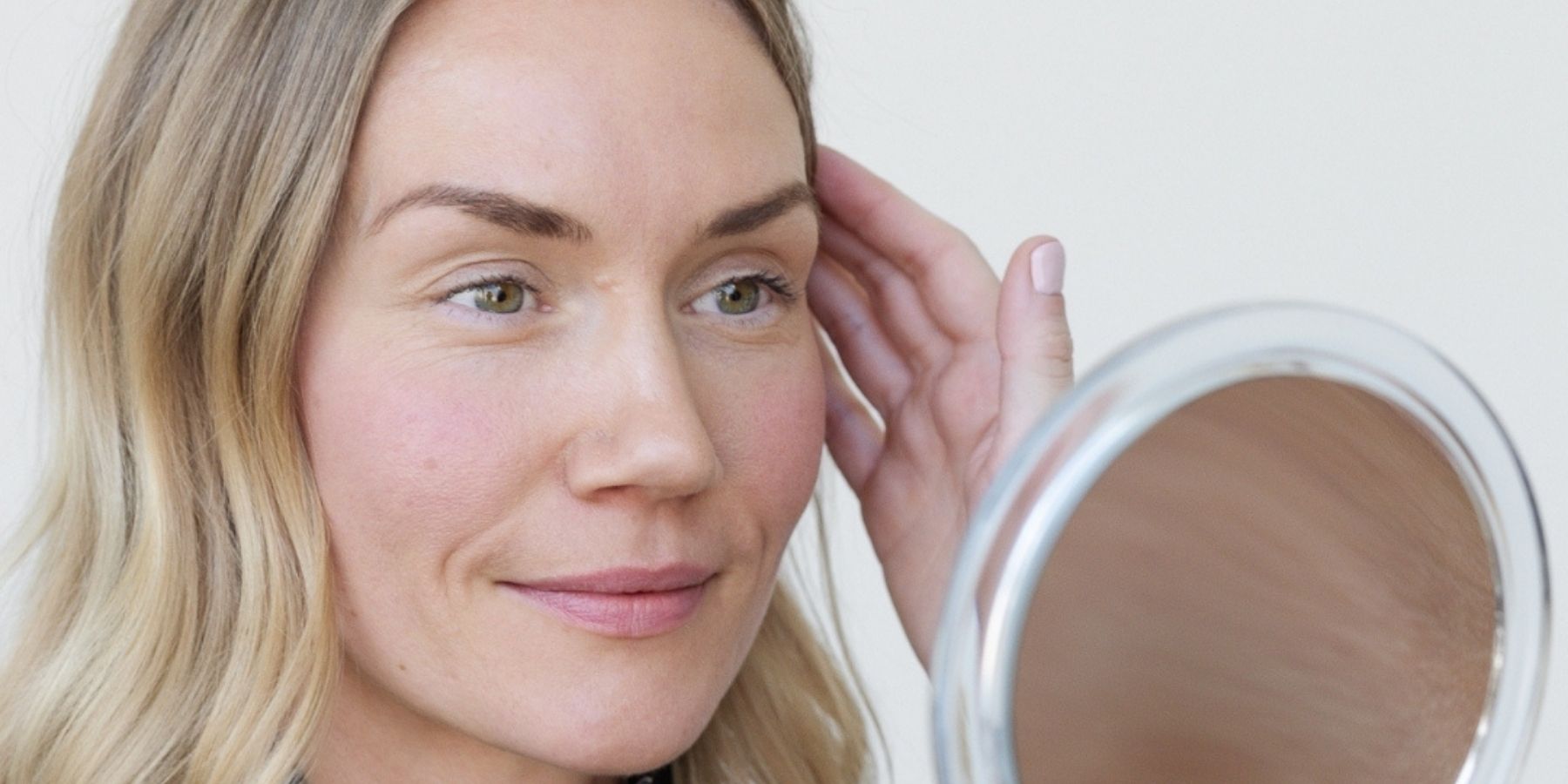

No More Headaches: Frequently Asked Questions
Forehead wrinkles raise many questions. Some people want to prevent them from forming, while others are looking for effective treatments for wrinkles that have already deepened. Below, we answer the most common questions asked in our clinic and on search engines.
Is it possible to prevent forehead wrinkles entirely?
Not entirely. Aging is a natural part of life. However, the appearance of forehead wrinkles can be delayed. This can be achieved by using sunscreen, keeping the skin moisturized, using retinol, and avoiding smoking and excessive UV exposure.
At what age do forehead wrinkles start to appear?
The first faint forehead lines may appear as early as age 25–30. Permanent forehead wrinkles usually begin to appear between the ages of 30 and 40, when the skin’s collagen and elastin levels decline and a person has been furrowing their brow for several decades.
What's the best cream for forehead wrinkles?
Research evidence particularly supports products containing retinol, vitamin C, peptides, and hyaluronic acid. Daily sunscreen is the single most important product for preventing forehead wrinkles.
Does retinol help with deep forehead wrinkles?
Retinol can reduce fine lines and slow the formation of new wrinkles, but it does not smooth out deep forehead wrinkles. Anyone who wants to get rid of forehead wrinkles will need cosmetic treatments.
Does Botox completely eliminate forehead wrinkles?
Botox treatment relaxes the forehead muscles and effectively reduces expression lines. If forehead wrinkles have already become permanent, the treatment can smooth them out as well. Even Botox cannot always completely eliminate the deepest furrows.
Can microneedling replace Botox?
Not usually. Microneedling and Botox address different issues. Botox acts on the muscles and reduces expression lines. Microneedling stimulates collagen production and improves skin condition. Many people benefit from a combination of these treatments.
When is filler needed for forehead wrinkles?
Fillers are not injected into horizontal forehead wrinkles. In rare cases, a deep frown line can be corrected with fillers.
Is it possible to get rid of deep forehead wrinkles?
Yes, but the treatment depends on the cause of the wrinkles. If deep forehead wrinkles are caused by an active forehead muscle, Botox is almost always the best option. If the skin has lost a significant amount of collagen and elasticity, the best results are often achieved by combining Botox with a treatment that improves the skin’s condition and appearance, such as microneedling, laser therapy, or another collagen-stimulating treatment. The earlier treatment begins, the easier it is to reduce and correct wrinkles.
How quickly do the treatments take effect?
The initial effects of Botox treatment usually become visible within 3–7 days, and the final results are seen in two or three weeks. The effects of microneedling, laser treatments, and other collagen-stimulating procedures develop gradually over weeks or months—collagen-stimulating treatments are almost always performed in a series.

Summary
The most effective treatment for forehead wrinkles depends on their cause.
Dynamic forehead wrinkles are caused by repetitive movement of the forehead muscles. Static forehead wrinkles are associated not only with muscle activity but also with skin aging, a decrease in collagen, and sun-induced changes.
You can help prevent fine lines by using sunscreen, retinol, and maintaining good skincare habits. Existing forehead wrinkles require aesthetic treatments, such as microneedling, Botox, laser therapy, or other biostimulation treatments.
If you have forehead wrinkles that are visible even when your face is at rest, if home remedies aren’t enough, and if this is causing you distress, you’re welcome to schedule a free consultation with us. The consultation does not obligate you to anything.
Wrinkles—what causes them and how can they be treated?