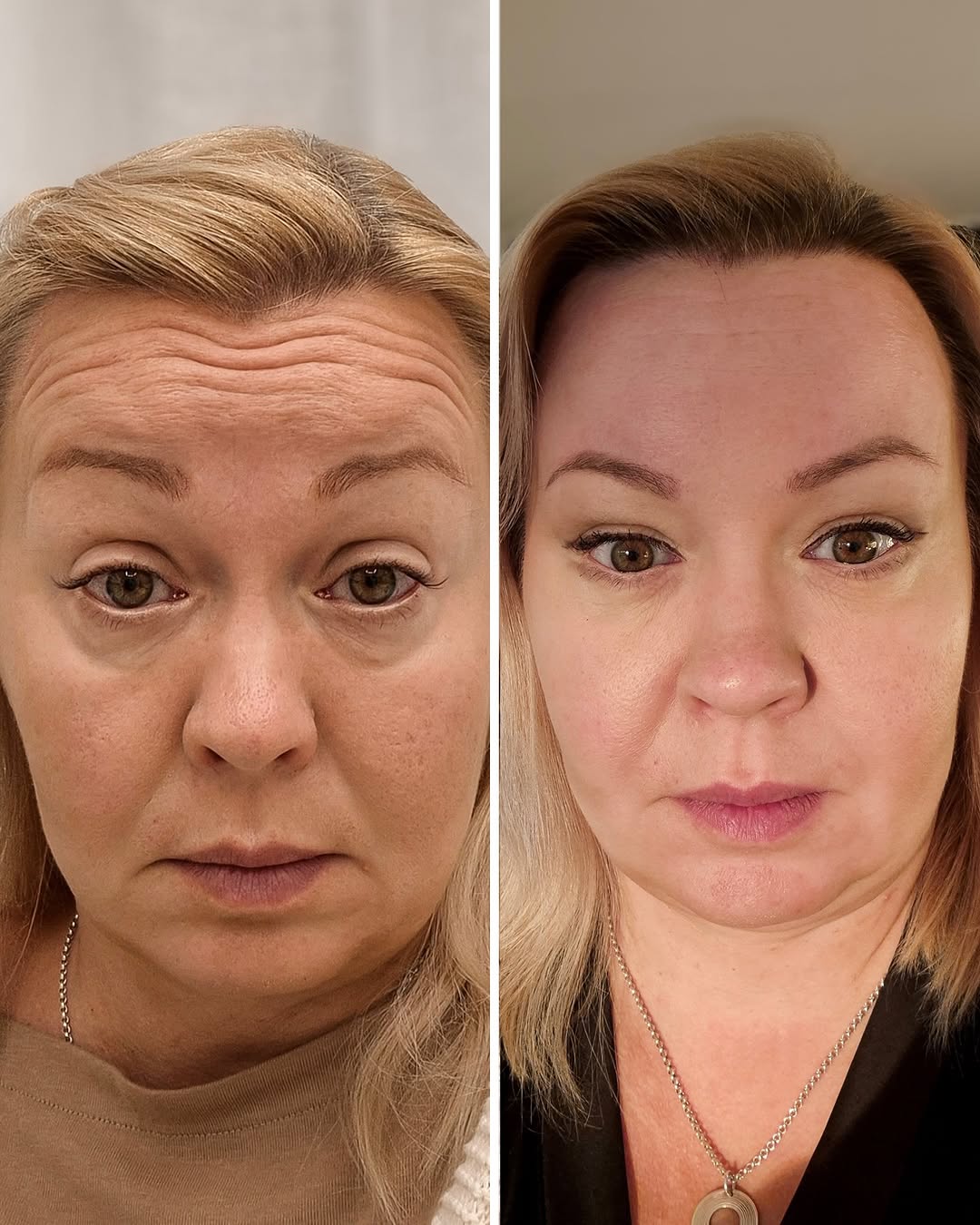
After Botox injections: what you can and cannot do (latest research findings)
After Botox injections, most patients can resume their normal daily activities immediately. Based on recent research, most traditional post-treatment guidelines (such as avoiding exercise or saunas) do not appear to have a significant impact on treatment outcomes.
Updated: April 9, 2026, based on the latest research findings
The latest research findings on post-treatment care for Botox
Key finding: Post-treatment care for Botox is significantly simpler than previously thought.
A large-scale study published in 2025, which analyzed thousands of patients, found that many traditional post-treatment guidelines for Botox are unlikely to have a significant impact on treatment outcomes.
In particular, no strong clinical evidence was found to support restricting physical activity, sauna use, or lying down. The guidelines are largely based on the precautionary principle.
Study published in the PubMed Central database:
Clinical evidence on post-treatment restrictions after botulinum toxin injections
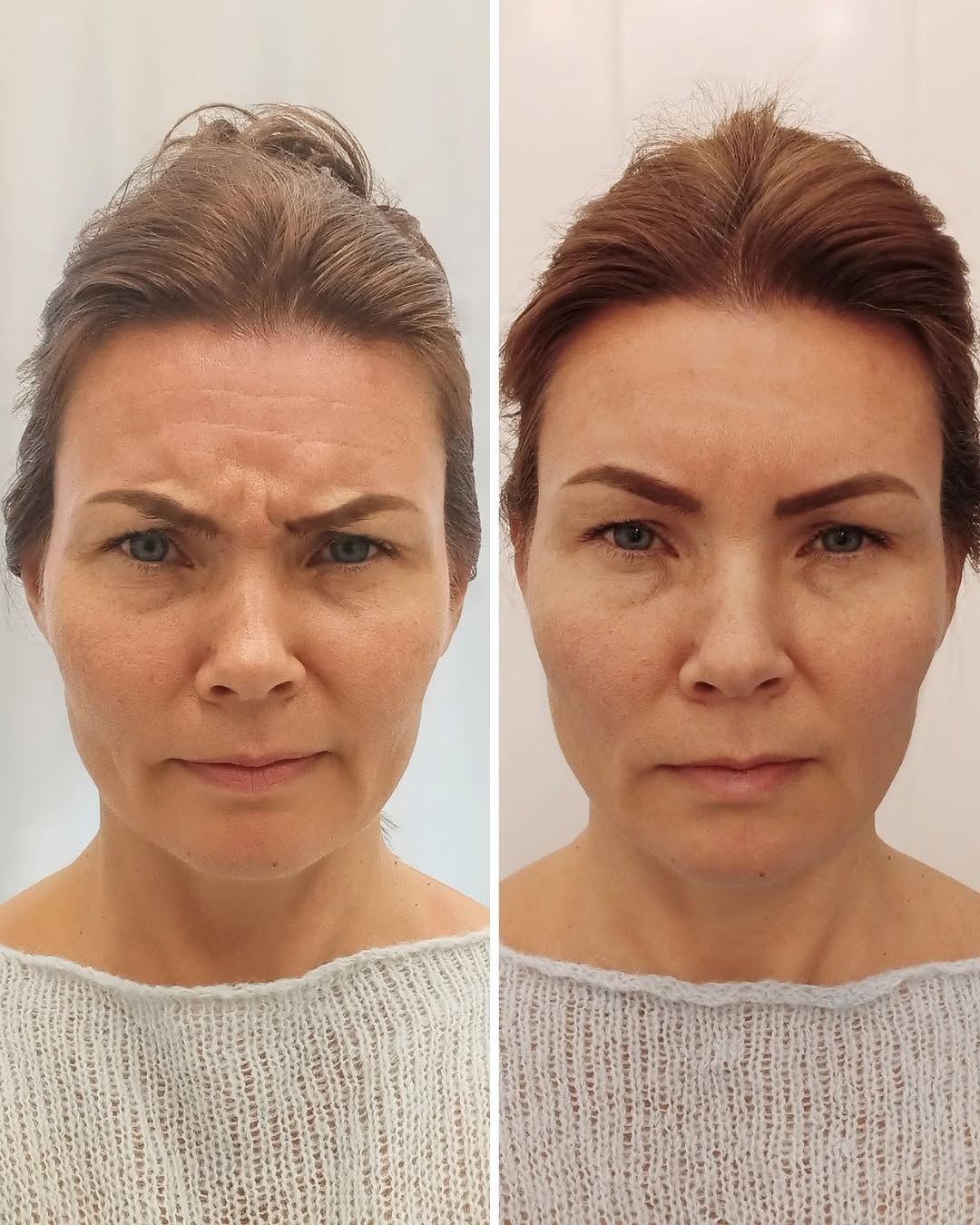
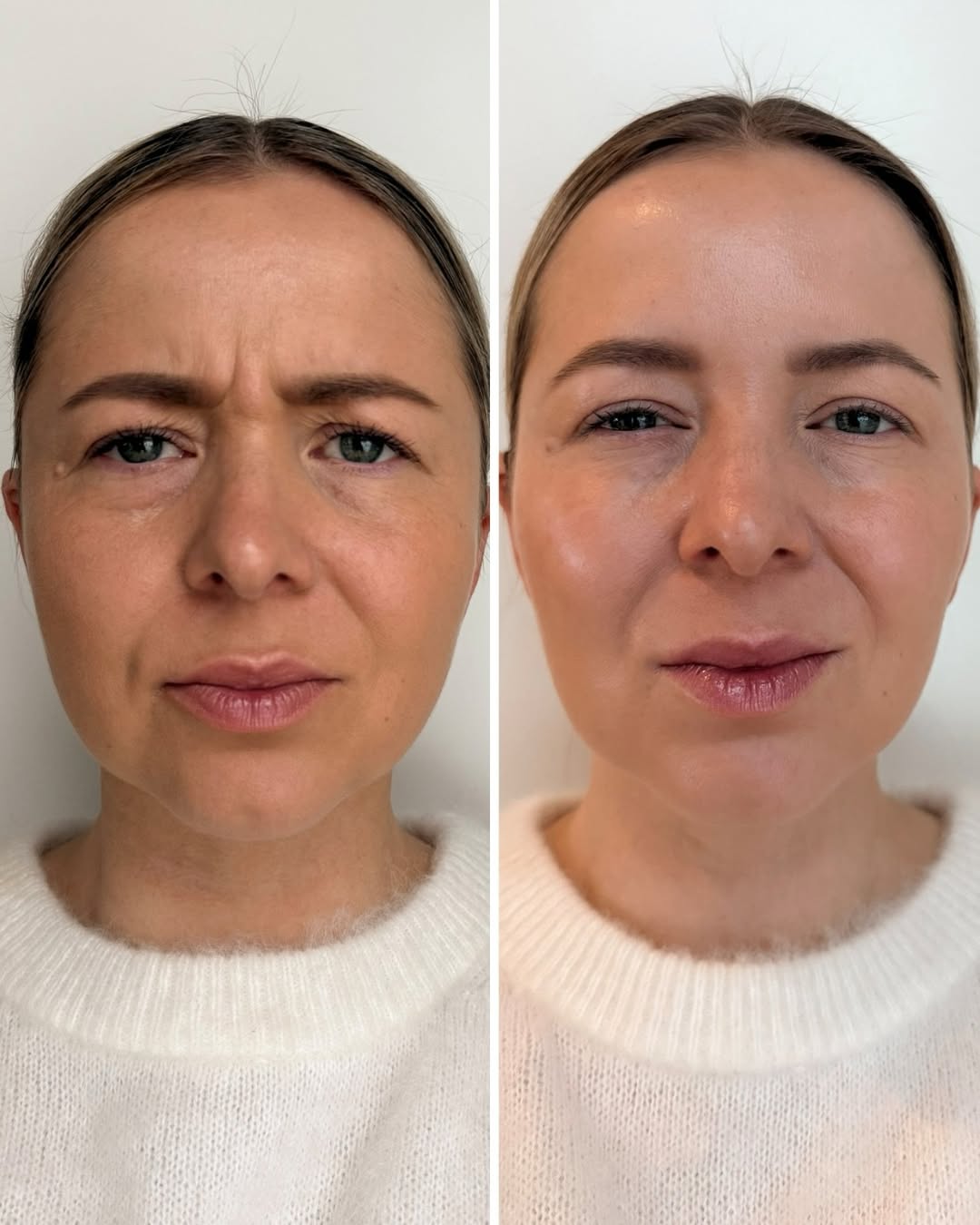
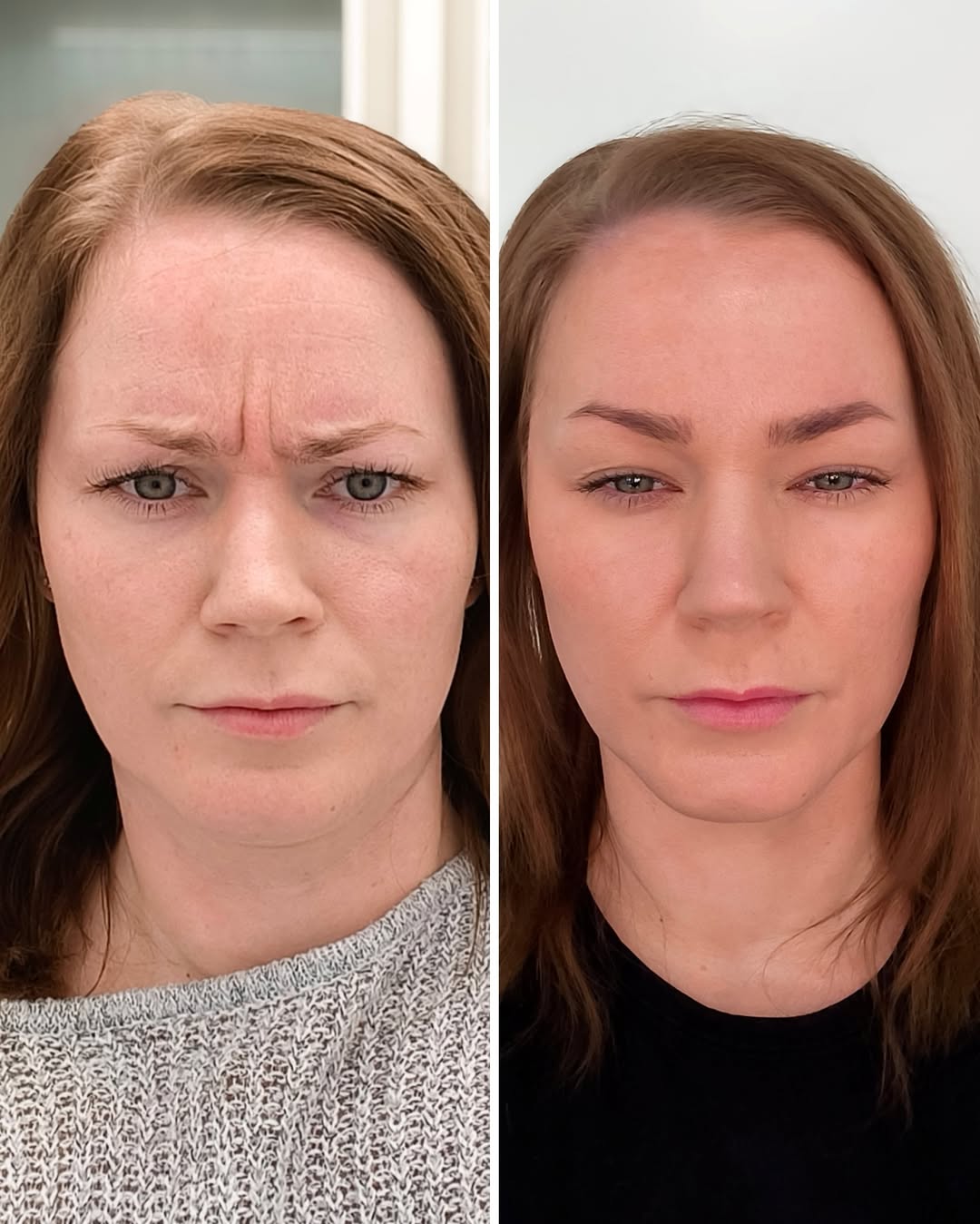
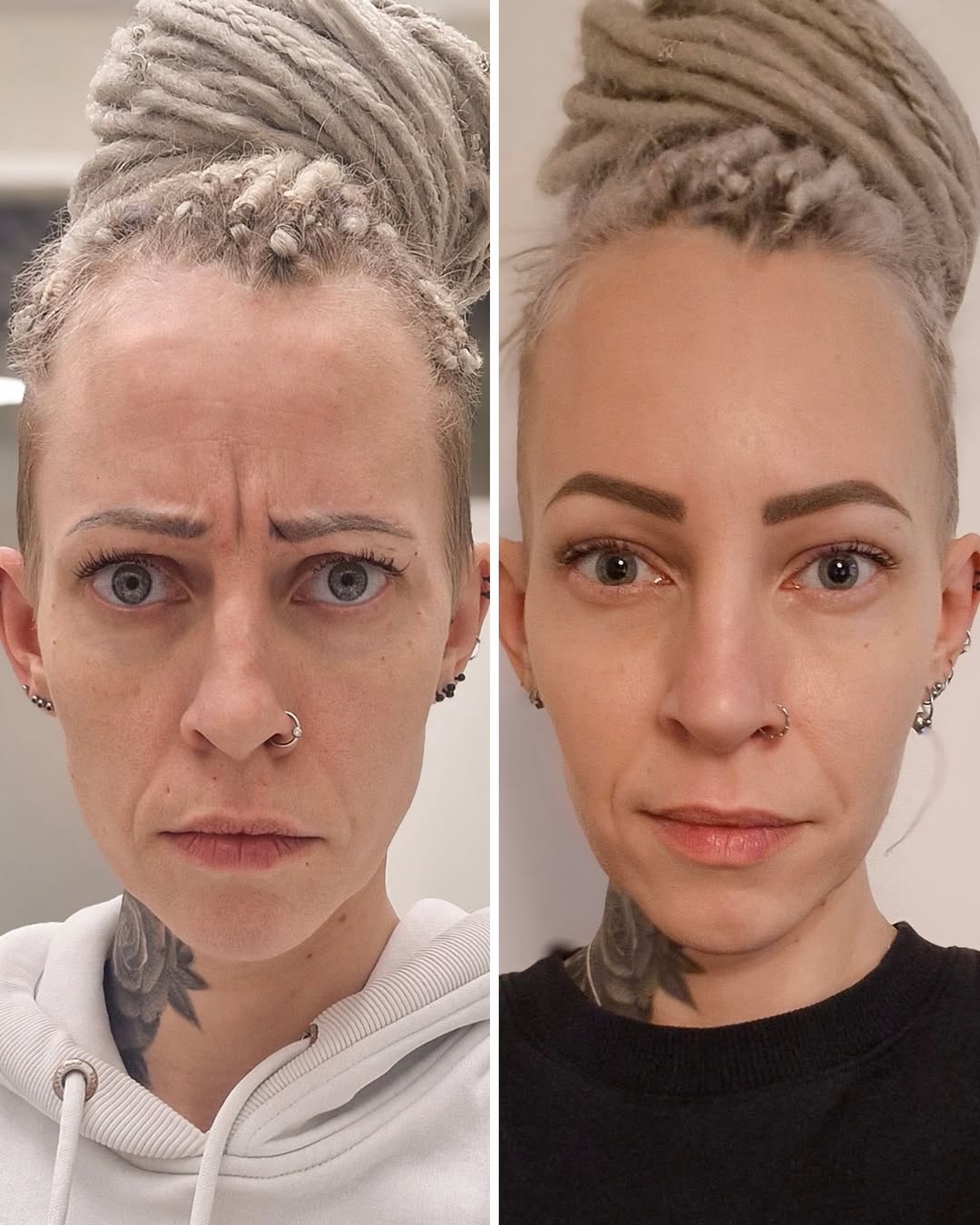
After Botox injections, botulinum toxin begins to act on the neuromuscular junction and reduces muscle activity at the injection site. The effect does not begin immediately, but usually develops over the course of a few days.
The first results are typically visible within 3–5 days, and the final result is reached after 10–14 days. The effects last an average of 3–6 months. Various post-treatment instructions are often provided, such as avoiding exercise or saunas. Based on the latest research, the significance of these instructions for the final outcome is likely minimal, and most of them lack strong clinical evidence to support them.
After Botox injections – in practice:
- Botox begins to take effect within a few days
- The final result will be visible in about 10–14 days
- Most people can return to their normal daily routine immediately after treatment
- A little caution during the first few hours is usually enough
What happens at the tissue level after Botox?
If you want to understand more about how botulinum toxin affects the neuromuscular junction, read about what botulinum toxin is.
Botulinum toxin acts at the neuromuscular junction by blocking the release of the neurotransmitter acetylcholine.
When a nerve fails to transmit the contraction signal to the muscle normally, muscle activity is temporarily reduced. This reduces skin wrinkling and softens expression lines.
The effect does not occur immediately, as the inhibition of nerve endings develops gradually.
- 3–5 days – first effects
- 10–14 days – final result
- 3–6 months – duration of effect
Is there anything I need to be careful about after getting Botox?
In most cases, there are no strict restrictions to follow after Botox treatment.
Traditionally, patients have been given very specific instructions following Botox treatment regarding, for example, physical activity, sauna use, and lying down.
Based on recent research findings, most of these limitations are unlikely to be critical to the outcome of treatment.
How have the aftercare instructions changed?
| Traditional instructions | Current understanding |
|---|---|
| Avoid exercise | Light exercise is usually allowed right away |
| Don't lie down | The impact on the final result is likely to be minimal |
| Avoid the sauna | No strong evidence of an effect |
| Avoid alcohol | It mainly affects the tendency to bruise, not the action of botulinum toxin |
The main idea is this:
- Botulinum toxin binds to the target muscle fairly quickly
- Everyday life doesn't usually interfere with this process
For this reason, most patients can return to their normal daily routines immediately after treatment.
Simply put: most traditional restrictions are unlikely to affect the final outcome.
Medically speaking: A recent study based on a large patient cohort found that botulinum toxin binds to nerve endings rapidly, and that normal daily activities (movement, posture, or exposure to heat) do not significantly alter this process.
Key findings of the study:
- The effects of botulinum toxin begin quickly after the injection
- Normal physical activity does not compromise treatment outcomes
- Many traditional restrictions are based on the precautionary principle
According to current understanding, post-treatment care for Botox is considerably simpler than previously thought.
What should you avoid after Botox?
Although much of the traditional advice is likely based on the precautionary principle, the following are often recommended to be avoided during the first few hours:
- vigorous rubbing of the injection site
- remaining in a lying position for an extended period immediately after treatment
- exceptionally strenuous physical exertion immediately after treatment
The purpose of these guidelines is to minimize the theoretical risk that botulinum toxin might affect adjacent muscles.
Can I go to the sauna after getting Botox? What about exercising?
In short: taking a sauna after Botox treatment is unlikely to affect the outcome, but it is often recommended to avoid it during the first 24 hours as a precaution.
Medically speaking: botulinum toxin binds to the nerve ending and blocks the release of acetylcholine by cleaving the SNAP-25 protein. This binding occurs fairly quickly after the injection. Heat exposure, such as taking a sauna, may increase local blood flow, but based on current research data, this has no significant effect on botulinum toxin binding or treatment outcomes.
In short: Light physical activity is generally permitted immediately after Botox treatment, and it has not been shown to compromise the treatment results. As a precaution, it is often recommended to avoid strenuous exercise for the first 24 hours.
Medically: Botulinum toxin binds to the nerve ending and blocks the release of acetylcholine by cleaving the SNAP-25 protein. This process begins rapidly after the injection. Physical exertion may increase blood flow and muscle activity, but based on current research data, this has no significant effect on botulinum toxin binding or treatment outcomes.
- Light exercise is usually allowed right away
- Everyday life does not affect the outcome of treatment
It is often recommended to avoid strenuous exercise and intense heat exposure (such as a sauna) for the first 24 hours, but there is no strong evidence that this affects the final outcome.
Can you drink alcohol after getting Botox?
In short: Drinking alcohol after Botox treatment is unlikely to affect the outcome of the treatment. However, it is often recommended to avoid alcohol on the day of the treatment due to the risk of bruising.
Alcohol is likely to have only a minor effect on the action of botulinum toxin.
Medically speaking: Alcohol can dilate blood vessels and increase bleeding at the injection site, which may increase the risk of bruising. However, the effect of botulinum toxin at the neuromuscular junction is not affected by alcohol consumption.
How long do I need to be careful after Botox?
If one wishes to exercise caution, the most critical period is the first few hours after treatment.
In practice
- 4–6 hours: Take care around the injection site
- Day 1: Any precautions (exercise, sauna)
In most cases, you can resume your normal daily routine right away.
Note from the Surgeon
After Botox treatment, you may experience mild redness, swelling, or a small bruise at the injection site. These reactions are usually caused by the injection itself and not by the medication.
Most patients can return to their normal daily activities immediately after treatment.
When do the results of Botox start to show?
The effects of Botox usually begin within a few days.
- 3–5 days – first effects
- 10–14 days – final result
When can Botox treatment be repeated?
Botox treatment can usually be repeated after about 3 to 6 months.
Over time, nerve endings form new connections to the muscle, and muscle function gradually returns.
When should you contact your doctor after Botox treatment?
Please contact us if you experience:
- severe pain
- vision problems
- difficulty swallowing
- breathing difficulties
Botox Aftercare Instructions
In short: After Botox, most daily activities are permitted immediately, and any restrictions mainly apply during the first few hours.
- Do not rub the injection site during the first few hours
- Avoid applying strong pressure to the treated area
- Avoid strenuous physical activity immediately after treatment
- Light exercise is permitted
- Everyday life doesn't usually affect the final result
Most of the restrictions are about being cautious during the first few hours, not about avoiding certain activities for a long time.
Frequently Asked Questions After Botox
Can you lie down after getting Botox?
After Botox treatment, it is often recommended to avoid lying down for about 4 hours. While this likely has little impact on the final result, it remains standard practice to err on the side of caution.
Can I go to work after getting Botox?
Most people can return to their normal daily routine and work immediately after treatment. Botulinum toxin does not affect your overall well-being; instead, its effect is localized to the treated muscle.
Can Botox spread to other muscles?
In rare cases, botulinum toxin may affect an adjacent muscle. This is primarily related to the injection technique and dosage.
Does Botox treatment hurt?
Botox is injected using a very fine needle. Most people describe the injections as feeling like small pinpricks.
How long does the redness last?
Any redness or swelling usually goes away within a few hours.
Are Botox aftercare instructions based on research evidence or on an abundance of caution?
According to recent research, some traditional post-treatment guidelines are not based on strong clinical evidence. Many of these guidelines have been developed based on the precautionary principle, and their impact on the final outcome has not been clearly demonstrated.
Other questions about Botox
Summary
After Botox treatment, most patients can return to their normal daily activities right away.
Although traditional precautions are still recommended, their impact on the final outcome is likely to be limited. The most important factors are careful injection technique and individualized treatment planning.
Author
Ville Männistö is an oral and maxillofacial surgeon who specializes in botulinum toxin treatments and disorders of the masticatory muscles, among other things.
Her work focuses on understanding facial muscle function, anatomy, and the mechanisms of action of botulinum toxin in both aesthetic and medical treatments.
Read the study on PubMed:
Temporomandibular disorders and masticatory muscle dysfunction